-
Shop
- Adidas
- Advanced Technologies
- Bathroom
- Best-Sellers
- Car Accessories
- Dating & Social Skills
- Digital Resources
- AI & Technology
- AI Skills
- Beauty
- Budgeting & Saving
- Car Buying & Ownership
- Cozy Feast Collection
- Electronics & Technology
- Emotional Intelligence
- Entrepreneurship & Business Growth
- Financial Education
- Financial Independence
- Financial Mindset & Psychology
- Goal Setting
- Home Styling & Organization
- Kitchen & Recipes
- Leadership
- Mindfulness
- Mindset
- Motivation
- Online Business
- Parenting & Child Development
- Personal Style & Fashion
- Pet Lifestyle & Wellness
- Positive Thinking
- Productivity
- Self Confidence
- Sleep Improvement
- Smart Life with AI
- Stress Management & Relaxation
- Travel Planning
- Wellness
- Yoga & Fitness
- Yoga & Mind-Body Practices
- Easter Products
- Education & Learning
- Family & Parenting
- Fashion
- Alexander McQueen
- Bags
- Bags & Wallets
- Balenciaga
- Belts
- Blazers
- Bottega Veneta
- Brunello Cucinelli
- Burberry
- Chanel
- Chloé
- Dior
- Dolce & Gabbana
- Dresses
- Etro
- Fendi
- Gucci
- Hats & Hair Accessories
- Jewelry
- Jil Sander
- Keychains
- Kiton
- Luggage
- Miu Miu
- Off-White
- Outerwear
- Prada
- Rick Owens
- Saint Laurent
- Shoes
- Socks & Tights
- The Row
- Tom Ford
- Valentino
- Valentino Garavani
- Versace
- Vivienne Westwood
- Watches
- Furniture
- Gadgets
- Health & Beauty
- Health & Wellness
- Home & Garden
- Home Electronics
- Kids & Babies
- Kitchen
- Lighting
- Patio, Lawn & Garden
- Personal Growth
- Pet Care
- Pet Supplies
- Pets
- Smart Home Living Guides
- Sport & Outdoors
- Stress Relief & Relaxation
- TikTok Growth & Monetization Mastery
- Travel
- Wealth
- Wealth Building
- Popular
- Best deals
DIY Tiered Planter: Easy Vertical Garden for Small Spaces
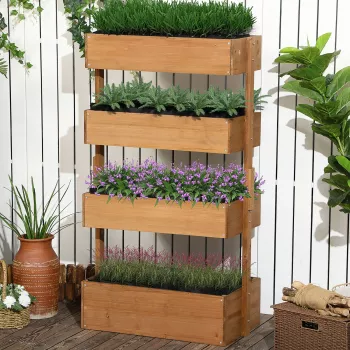
How to Make a Tiered Planter! (Easy DIY Vertical Garden with More Growing Space)
A tiered planter is one of the simplest ways to grow more herbs, flowers, or compact veggies in a small footprint. By stacking planting boxes vertically, you get better sun exposure, easier harvesting, and a tidy look that fits patios, balconies, and narrow side yards. The key is keeping each level stable, allowing water to drain, and spacing tiers so plants don’t shade each other.
Materials You’ll Want on Hand
For an easy DIY build, plan on exterior-safe wood (or pre-built planter boxes), screws, a drill/driver, a level, landscape fabric, and a weather-resistant finish. If you’re growing edibles, choose a plant-safe sealer and avoid treated lumber in areas that contact soil. You’ll also want a way to manage drainage—either drainage holes in each box plus a catch area below, or a liner that directs water where you want it.
Simple Build Steps (No Fancy Tools Required)
Start by deciding how many tiers you want and the footprint you can spare. Assemble or position your planter boxes, then build a sturdy frame that supports the weight of wet soil. Work from the bottom up: secure the lowest tier first, check it for level, then attach the next tiers with consistent spacing. A slight setback on each higher tier helps sunlight reach the lower plants and improves stability.
Before filling with soil, add landscape fabric (or a breathable liner) to keep soil from washing out while still allowing water to pass. Drill drainage holes if your boxes don’t already have them, then add a thin layer of coarse material only if needed to prevent clogging (the holes matter more than rocks). Finish by adding potting mix, planting, and watering slowly to confirm that drainage is working as planned.
Dial In Drainage and Longevity
The most common tiered-planter problems are soggy soil and wood wear. Keep tiers draining freely, elevate the base slightly off the ground if possible, and refresh sealant as needed. For a proven approach to an adjustable, multi-level setup (plus drainage tips), follow the full guide here: https://tupira.com/guide-adjustable-4-tier-wooden-vertical-planter-drainage/.
FAQ
What plants grow best in a vertical tiered planter?
Shallow-rooted and compact plants do best, such as herbs (basil, parsley, thyme), strawberries, lettuce, pansies, and trailing flowers. Reserve the deepest tier for anything that needs more root space, and keep aggressive spreaders contained.












Leave a comment