-
Shop
- Adidas
- Advanced Technologies
- Bathroom
- Best-Sellers
- Car Accessories
- Dating & Social Skills
- Digital Resources
- AI & Technology
- AI Skills
- Beauty
- Budgeting & Saving
- Car Buying & Ownership
- Cozy Feast Collection
- Electronics & Technology
- Emotional Intelligence
- Entrepreneurship & Business Growth
- Financial Education
- Financial Independence
- Financial Mindset & Psychology
- Goal Setting
- Home Styling & Organization
- Kitchen & Recipes
- Leadership
- Mindfulness
- Mindset
- Motivation
- Online Business
- Parenting & Child Development
- Personal Style & Fashion
- Pet Lifestyle & Wellness
- Positive Thinking
- Productivity
- Self Confidence
- Sleep Improvement
- Smart Life with AI
- Stress Management & Relaxation
- Travel Planning
- Wellness
- Yoga & Fitness
- Yoga & Mind-Body Practices
- Easter Products
- Education & Learning
- Family & Parenting
- Fashion
- Alexander McQueen
- Bags
- Bags & Wallets
- Balenciaga
- Belts
- Blazers
- Bottega Veneta
- Brunello Cucinelli
- Burberry
- Chanel
- Chloé
- Dior
- Dolce & Gabbana
- Dresses
- Etro
- Fendi
- Gucci
- Hats & Hair Accessories
- Jewelry
- Jil Sander
- Keychains
- Kiton
- Luggage
- Miu Miu
- Off-White
- Outerwear
- Prada
- Rick Owens
- Saint Laurent
- Shoes
- Socks & Tights
- The Row
- Tom Ford
- Valentino
- Valentino Garavani
- Versace
- Vivienne Westwood
- Watches
- Furniture
- Gadgets
- Health & Beauty
- Health & Wellness
- Home & Garden
- Home Electronics
- Kids & Babies
- Kitchen
- Lighting
- Patio, Lawn & Garden
- Personal Growth
- Pet Care
- Pet Supplies
- Pets
- Smart Home Living Guides
- Sport & Outdoors
- Stress Relief & Relaxation
- TikTok Growth & Monetization Mastery
- Travel
- Wealth
- Wealth Building
- Popular
- Best deals
Why Toddlers Fight Sleep: Triggers and Calm Bedtimes
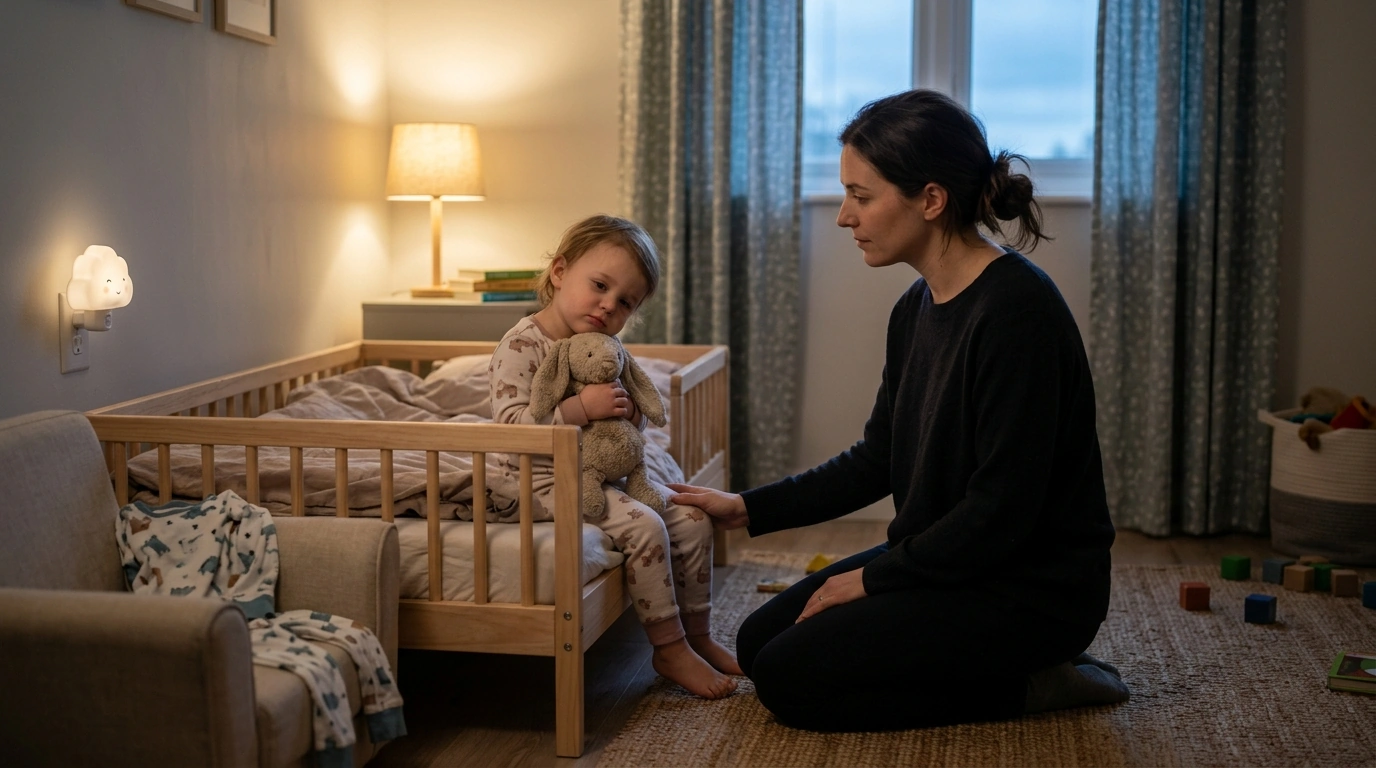
Toddlers can resist sleep even when they’re clearly exhausted. That pushback is often driven by normal development (independence, big feelings, shifting sleep needs) plus a handful of predictable bedtime triggers. Once you can spot what’s fueling the fight, it’s easier to choose routines and responses that reduce power struggles, shorten the time to fall asleep, and support steadier nights.
What “fighting sleep” usually looks like (and what it is not)
Most toddler sleep resistance is behavioral and situational, not a sign of “bad sleep” or bad parenting. Common signs include stalling (“one more book,” more water), crying at separation, leaving the bed/room, sudden bursts of energy, arguing about pajamas or toothbrushing, and refusing naps.
It helps to separate everyday bedtime battles from issues that deserve a medical check. Persistent loud snoring, breathing pauses, frequent night terrors, chronic pain, significant eczema itch, reflux symptoms, or repeated vomiting should be discussed with a clinician.
Also note that short-term regressions are common around big changes—travel, illness, a new sibling, daycare transitions, moving to a toddler bed—because your child is adjusting to new stressors and expectations.
The developmental drivers: autonomy, imagination, and emotional regulation
Bedtime is a daily boundary, so toddlers often test control there more than at other moments. Independence can show up as “No!” to pajamas, refusing to lie down, or demanding a different parent do bedtime.
Language growth can make bedtime longer, too. Once toddlers can negotiate, they’ll try “just one more” bargaining—especially if it works even occasionally. A predictable routine limits the space for nightly renegotiation.
Imagination ramps up in the toddler years, and so do fears. Shadows, “monsters,” and separation anxiety can feel very real at night. Meanwhile, emotional regulation is still developing; tiredness reduces coping skills, so small frustrations can escalate quickly into tears or tantrums.
Sleep pressure problems: overtired vs. under-tired
Two timing issues often masquerade as “stubbornness.” Overtired toddlers can look wired: when they miss their window, stress hormones may trigger a second wind, more tantrums, and more night waking. Under-tired toddlers resist because they genuinely aren’t ready—often due to too much daytime sleep or an early bedtime.
Watch the pattern. If resistance is consistent at the same point (for example, your toddler plays in bed for 45 minutes every night), bedtime may be too early. If meltdowns start before the routine even finishes, overtiredness is more likely.
Aim for a consistent wake time and age-appropriate nap windows, and adjust gradually—about 15 minutes every 3–4 days—so your child can settle into the new rhythm.
Common bedtime triggers and practical adjustments
| Trigger | How it shows up | Try this tonight |
|---|---|---|
| Inconsistent routine | New requests each night; longer negotiations | Use a short, repeatable sequence (bath, pajamas, 2 books, song, lights out) and keep it the same |
| Screen time too close to bed | Restless body, difficulty settling, protests | End screens 60+ minutes before bed; replace with quiet play and dim lights |
| Separation anxiety | Clinginess, crying when caregiver leaves | Practice brief separations during the day; use a consistent goodnight phrase and quick return checks |
| Bedtime is too early | Long time to fall asleep; cheerful stalling | Shift bedtime later by 15 minutes for several nights and reassess |
| Overtiredness | Meltdowns, hyperactivity, frequent night waking | Start routine earlier; protect nap; avoid late-day overstimulation |
| Fear of the dark or “monsters” | Refuses room, asks for lights/caregiver | Offer a dim night light, comfort object, and a predictable reassurance script |
Bedtime triggers that escalate quickly (and how to defuse them)
Too many decisions at night: Decision fatigue is real. Offer two choices (two pajamas, two books) so your toddler gets autonomy without an open-ended negotiation.
Attention loops: Repeated requests can become a reliable way to extend caregiver time. After the routine ends, respond with brief, boring consistency. The less exciting the response, the less rewarding the pattern becomes.
Sensory discomfort: Itchy tags, room temperature, dry skin, hunger, or thirst can derail settling. Do a quick “comfort scan” before lights out: bathroom, water, room temp, pajamas, comfort item.
Overstimulation: Roughhousing, bright lights, loud environments, or exciting stories raise arousal. Shift to calm inputs—dim light, quieter voice, slower movements—especially in the last 10 minutes.
A calmer nightly routine built for toddlers (simple, repeatable, flexible)
When naps complicate nights: dropping naps and protecting rest
Responses that reduce power struggles (without turning bedtime into a battle)
Extra support for caregivers: guidance for tough seasons
For broader, research-informed sleep guidance, resources like American Academy of Pediatrics — HealthyChildren.org and the CDC’s sleep information can be helpful starting points.
A deeper resource for understanding toddler sleep resistance
If you want a structured, step-by-step approach to identifying triggers and building calmer routines, explore Why Toddlers Fight Sleep: Ultimate Guide to Understanding Toddler Fighting Sleep Reasons, Bedtime Triggers, and Calmer Night Routines.
For caregivers who feel wound up at the end of the day, a separate relaxation-focused read can support your own wind-down: How Essential Oils Can Ease Stress and Anxiety | Relaxation eBook Guide for Natural Stress Relief, Aromatherapy, and Anxiety Support.
FAQ
Is it normal for a toddler to suddenly fight bedtime even if sleep was fine before?
Yes. Sleep regressions can show up with development, separation anxiety, illness, travel, schedule shifts, or new routines. Focus on consistency and double-check timing to rule out over- or under-tiredness.
How long should it take a toddler to fall asleep after lights out?
Many toddlers fall asleep within about 10–30 minutes. If it regularly takes much longer, bedtime may be too early, the routine may be overstimulating, or the pattern may be reinforced by long negotiations.
What should be avoided when a toddler cries at bedtime?
Avoid long negotiations, repeated explanations, and adding new rewards each night. Keep reassurance brief and predictable, then return to the same routine boundary so crying doesn’t become the fastest way to extend bedtime.
Recommended for you



Smart Home Hubs: How They Work + Best Features
Aug 12, 2026
Mindful Moments Checklist for Teens: Calm & Focus
Aug 12, 2026













Leave a comment