-
Shop
- Adidas
- Advanced Technologies
- Bathroom
- Best-Sellers
- Car Accessories
- Dating & Social Skills
- Digital Resources
- AI & Technology
- AI Skills
- Beauty
- Budgeting & Saving
- Car Buying & Ownership
- Cozy Feast Collection
- Electronics & Technology
- Emotional Intelligence
- Entrepreneurship & Business Growth
- Financial Education
- Financial Independence
- Financial Mindset & Psychology
- Goal Setting
- Home Styling & Organization
- Kitchen & Recipes
- Leadership
- Mindfulness
- Mindset
- Motivation
- Online Business
- Parenting & Child Development
- Personal Style & Fashion
- Pet Lifestyle & Wellness
- Positive Thinking
- Productivity
- Self Confidence
- Sleep Improvement
- Smart Life with AI
- Stress Management & Relaxation
- Travel Planning
- Wellness
- Yoga & Fitness
- Yoga & Mind-Body Practices
- Easter Products
- Education & Learning
- Family & Parenting
- Fashion
- Alexander McQueen
- Bags
- Bags & Wallets
- Balenciaga
- Belts
- Blazers
- Bottega Veneta
- Brunello Cucinelli
- Burberry
- Chanel
- Chloé
- Dior
- Dolce & Gabbana
- Dresses
- Etro
- Fendi
- Gucci
- Hats & Hair Accessories
- Jewelry
- Jil Sander
- Keychains
- Kiton
- Luggage
- Miu Miu
- Off-White
- Outerwear
- Prada
- Rick Owens
- Saint Laurent
- Shoes
- Socks & Tights
- The Row
- Tom Ford
- Valentino
- Valentino Garavani
- Versace
- Vivienne Westwood
- Watches
- Furniture
- Gadgets
- Health & Beauty
- Health & Wellness
- Home & Garden
- Home Electronics
- Kids & Babies
- Kitchen
- Lighting
- Patio, Lawn & Garden
- Personal Growth
- Pet Care
- Pet Supplies
- Pets
- Smart Home Living Guides
- Sport & Outdoors
- Stress Relief & Relaxation
- TikTok Growth & Monetization Mastery
- Travel
- Wealth
- Wealth Building
- Popular
- Best deals
Mindful Moments Checklist for Teens: Calm & Focus
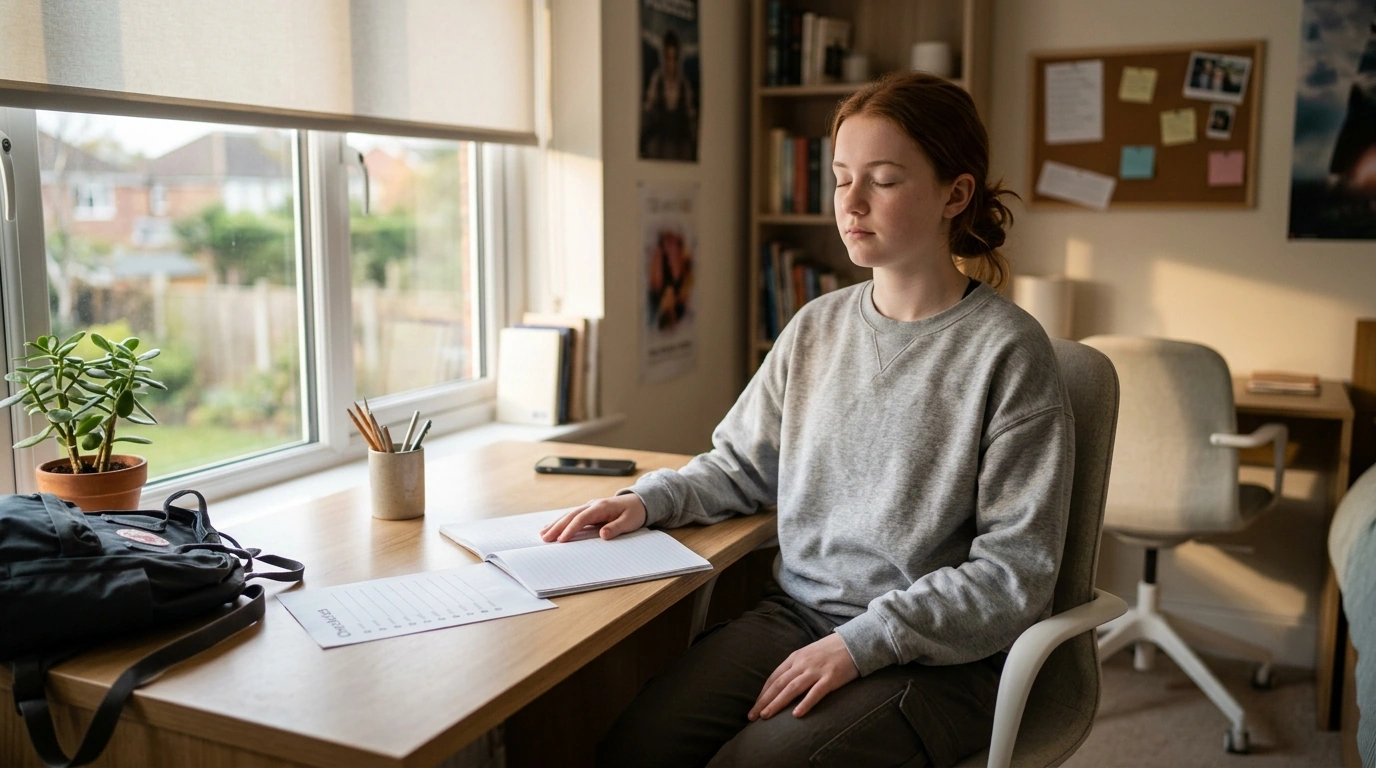
Mindful Moments Checklist for Teens: Simple Practices for Calm, Focus, and Self-Care
Busy school days, social pressure, and constant notifications can make it hard for teens to feel steady and present. A short, repeatable mindfulness routine can create quick “reset” moments that support stress relief, emotional balance, and focus. This guide shares practical ways to use a printable checklist to build consistent mindful habits—without needing special equipment or long sessions.
What “mindful moments” look like in real teen life
Mindful moments don’t have to look like sitting still for 20 minutes. For most teens, the most useful version is brief, repeatable, and flexible enough to fit real schedules.
- Brief pauses (30 seconds to 5 minutes) that interrupt autopilot and bring attention back to the present.
- A mix of body-based, breath-based, and thought-based activities so different personalities can find a good fit.
- Low-pressure routines that can happen between classes, before sports, after scrolling, or at bedtime.
- A focus on skills: noticing stress signals early, calming the body, and choosing a next helpful step.
Research-backed mindfulness approaches are commonly described as training attention and awareness in a way that supports well-being. For a quick overview from an authoritative source, see the American Psychological Association (APA) mindfulness resource.
How to use a checklist so it actually gets used
A checklist only works if it’s easy to start and easy to repeat. The goal isn’t perfection—it’s building a reliable “reset button” that teens will actually reach for.
- Start with 3–5 favorites instead of trying every activity at once; build consistency first.
- Pick “anchors” in the day (wake up, before school, lunch, after school, bedtime) and attach one mindful moment to each.
- Keep the checklist visible: taped to a mirror, inside a binder, or as a tablet/phone wallpaper.
- Use a no-judgment rule: missed days are data, not failure—restart with the easiest option.
- Pair it with a non-screen reward (music, warm shower, stretching, favorite tea, short walk).
Mindful moments by time available
| Time | Best for | Try this | What to notice |
|---|---|---|---|
| 30–60 seconds | Quick reset between tasks | 3 slow breaths; relax shoulders | Tension level before vs. after |
| 2–3 minutes | Pre-test or pre-practice nerves | Box breathing (4-4-4-4) | Heartbeat and mind chatter |
| 5 minutes | After-school decompression | Body scan from head to toes | Where stress “lands” in the body |
| 10 minutes | Evening wind-down | Guided meditation or quiet journaling | Thought patterns and mood shift |
Mindfulness activities teens tend to stick with
Consistency usually comes from finding a few practices that feel doable on a hard day, not just a good day.
- Breathing practices: box breathing, 4-7-8 breathing, or counting exhales to calm the nervous system.
- Grounding with senses: name 5 things seen, 4 felt, 3 heard, 2 smelled, 1 tasted to reduce overwhelm.
- Movement-based mindfulness: slow stretching, yoga poses, or a mindful walk focusing on footsteps and sounds.
- Micro-journaling: one sentence each for “what’s true right now,” “what I need,” and “one next step.”
- Progressive muscle relaxation: tense and release muscle groups to reduce physical stress build-up.
- Compassion practice: a short phrase like “This is hard; I can be kind to myself right now” to soften self-criticism.
If sitting quietly feels uncomfortable, start with grounding or movement. Many teens find it easier to focus on what they can feel (feet on the floor, shoulders dropping, air moving in and out) than to “empty the mind.” For additional background on meditation and mindfulness approaches, the NCCIH overview is a helpful reference.
Stress relief and self-care ideas that pair well with mindful moments
Mindfulness works even better when it’s paired with basics that support the body. These small add-ons can make calm feel more accessible—especially during busy weeks.
- Hydration and a protein snack to support energy and mood stability (even a quick yogurt, cheese stick, or nuts can help).
- A 10-minute tidy of one small area (desk, backpack) to reduce background stress.
- Light exposure and fresh air: step outside briefly, especially after long screen sessions.
- Sleep-friendly wind-down: dim lights, gentle stretches, and a consistent cutoff for stimulating content.
- Boundary scripts: practice simple lines like “I can’t talk right now, but I can later” to protect recovery time.
For broader, practical guidance on coping tools, the CDC stress coping page offers straightforward options that pair well with a short mindfulness routine.
Using the printable digital download at home, in counseling, or in the classroom
A checklist is most effective when it reduces friction—less explaining, less debating, more choice and repetition.
To support self-guided consistency, use the Mindful Moments for Teens Checklist printable digital download as a daily “menu” of options. For teens who also like calming rituals (especially at night), pair mindfulness with a simple relaxation routine from the How Essential Oils Can Ease Stress and Anxiety guide.
Mindful Moments for Teens Checklist (Printable Digital Download)
FAQ
How often should a teen practice mindfulness to notice a difference?
Small daily practice is usually more sustainable than occasional long sessions. Aim for 1–5 minutes most days and track changes in mood, sleep, or focus over 1–2 weeks.
What if mindfulness makes a teen feel more anxious?
Switch to grounding or movement-based options, keep eyes open, and shorten the practice to 30–60 seconds. If distress continues or feels intense, reach out to a school counselor or a licensed clinician for support.
Can this be used at school or in a counseling group?
Yes—quick routines fit well during transitions, homeroom, or the start of class, and participation can be silent for privacy. In groups, offering a few choices helps teens engage without feeling put on the spot.
Recommended for you



Why Toddlers Fight Sleep: Triggers and Calm Bedtimes
Aug 12, 2026













Leave a comment