-
Shop
- Adidas
- Advanced Technologies
- Bathroom
- Best-Sellers
- Car Accessories
- Dating & Social Skills
- Digital Resources
- AI & Technology
- AI Skills
- Beauty
- Budgeting & Saving
- Car Buying & Ownership
- Cozy Feast Collection
- Electronics & Technology
- Emotional Intelligence
- Entrepreneurship & Business Growth
- Financial Education
- Financial Independence
- Financial Mindset & Psychology
- Goal Setting
- Home Styling & Organization
- Kitchen & Recipes
- Leadership
- Mindfulness
- Mindset
- Motivation
- Online Business
- Parenting & Child Development
- Personal Style & Fashion
- Pet Lifestyle & Wellness
- Positive Thinking
- Productivity
- Self Confidence
- Sleep Improvement
- Smart Life with AI
- Stress Management & Relaxation
- Travel Planning
- Wellness
- Yoga & Fitness
- Yoga & Mind-Body Practices
- Easter Products
- Education & Learning
- Family & Parenting
- Fashion
- Alexander McQueen
- Bags
- Bags & Wallets
- Balenciaga
- Belts
- Blazers
- Bottega Veneta
- Brunello Cucinelli
- Burberry
- Chanel
- Chloé
- Dior
- Dolce & Gabbana
- Dresses
- Etro
- Fendi
- Gucci
- Hats & Hair Accessories
- Jewelry
- Jil Sander
- Keychains
- Kiton
- Luggage
- Miu Miu
- Off-White
- Outerwear
- Prada
- Rick Owens
- Saint Laurent
- Shoes
- Socks & Tights
- The Row
- Tom Ford
- Valentino
- Valentino Garavani
- Versace
- Vivienne Westwood
- Watches
- Furniture
- Gadgets
- Health & Beauty
- Health & Wellness
- Home & Garden
- Home Electronics
- Kids & Babies
- Kitchen
- Lighting
- Patio, Lawn & Garden
- Personal Growth
- Pet Care
- Pet Supplies
- Pets
- Smart Home Living Guides
- Sport & Outdoors
- Stress Relief & Relaxation
- TikTok Growth & Monetization Mastery
- Travel
- Wealth
- Wealth Building
- Popular
- Best deals
Wool-Silk Check Blazer: Fit, Styling & Care Guide

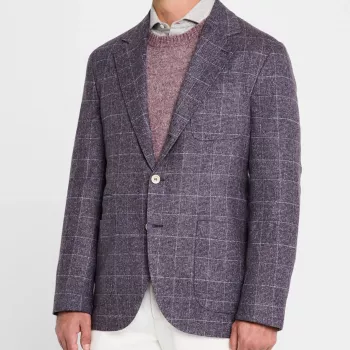
Brunello Cucinelli Wool-Silk Blend Check Blazer Jacket: Refined Texture, Soft Structure
A wool-silk blend blazer balances the warmth and body of wool with the subtle sheen and fluidity of silk. In a check pattern, it reads polished without feeling flat—ideal for dressing up denim, sharpening business-casual looks, and adding dimension to monochrome outfits. The result is tailoring that feels intentional in daylight and still looks rich under evening lighting, especially when the fabric has a fine, tactile surface rather than a slick finish. For more guidance, see brunello cucinelli Plaid wool silk blend pocket square Men’s Size 12 ….
What Sets a Wool–Silk Blend Apart
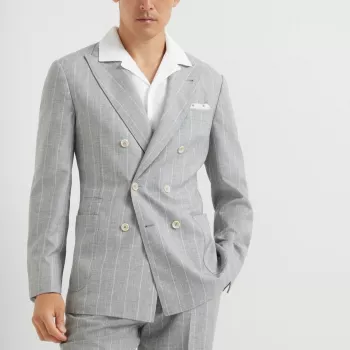
Wool and silk each bring distinct advantages, and together they create a blazer that feels quietly elevated without losing practicality. For further reading, see Brunello Cucinelli Linen Wool Silk Gray Windowpane Plaid Blazer ….
- Wool contributes resilience, shape retention, and temperature regulation for multi-season wear.
- Silk introduces a smoother hand-feel and a gentle luster that elevates checks and textured weaves.
- The blend typically drapes cleaner than pure wool while avoiding the overly glossy look of some synthetics.
- Best suited to settings where a crisp line matters—dinners, meetings, travel days, and events with smart dress codes.
For care fundamentals and fiber behavior, authoritative references like Woolmark’s care guidance and Britannica’s overview of silk help clarify why these materials perform so well in tailored garments.
Check Pattern: Why It Looks Smart Without Feeling Loud
A check can be as subtle or as expressive as the color contrast allows. In a refined wool-silk cloth, even a noticeable check tends to read sophisticated because the texture does part of the talking.
- Checks add depth at a distance and detail up close, helping outfits feel complete with fewer accessories.
- Works especially well with solid knitwear and plain trousers; the pattern does the visual work.
- For a quieter look, pair with tones pulled from the check (charcoal, navy, cream); for contrast, add a single saturated accent (burgundy, forest, or deep blue).
- Patterned tailoring photographs well because it avoids large blocks of flat color under bright light.
One easy rule: let the blazer be the only pattern at first. Once the base feels balanced, add a second pattern only in a smaller scale and similar tones (for example, a micro-stripe shirt that reads nearly solid from a few feet away).
Fit and Silhouette: Getting the Proportions Right
With checks, fit details show more clearly than they do on solids—clean lines keep the pattern looking aligned and intentional.
- Shoulders: the seam should sit at the shoulder edge; excess padding or overhang makes checks look misaligned.
- Chest and button stance: when buttoned, the blazer should lie flat without pulling; slight ease is important for layered knitwear.
- Sleeve length: aim for a small cuff reveal from a dress shirt; for knitwear, keep sleeves clean at the wrist bone.
- Blazer length: a balanced hem typically lands around mid-seat; shorter reads modern, longer reads classic—choose based on height and styling preference.
When tailoring is close to correct, minor adjustments (sleeve length, waist suppression) typically deliver the biggest visual upgrade. If the shoulder fit is off, it’s rarely worth forcing the rest.
Outfit Ideas for Day, Night, and Travel
A wool-silk check blazer earns its keep when it moves across dress codes without looking like a “special occasion only” piece.
Style Pairings Worth Bookmarking
For dressier calendars, a deep, saturated accent can complement the blazer’s pattern without competing with it. If you’re building an event-ready rotation, consider pairing tailored outerwear with a standout evening piece like the Elegant French Burgundy Velvet Long-Sleeve Banquet Dress for Autumn for coordinated formal looks across a shared wardrobe.
For travel and long days, small routines matter as much as the outfit. If you like calming rituals before flights or meetings, the How Essential Oils Can Ease Stress and Anxiety | Relaxation eBook Guide is a compact companion that fits easily into a carry-on planning list.
Quick Reference: Materials, Care, and Wear
| Topic | Best Practice | Why It Helps |
|---|---|---|
| Between-wear routine | Air out for several hours and brush lightly | Reduces odor buildup and keeps the surface looking crisp |
| Wrinkles | Steam from a short distance; avoid crushing the fabric | Relaxes fibers without adding shine or flattening texture |
| Storage | Wide-shoulder hanger; breathable garment bag if needed | Maintains silhouette and prevents fabric stress |
| Cleaning frequency | Dry clean only when necessary; spot-clean first | Preserves longevity and minimizes chemical exposure to fibers |
When to Choose This Blazer Over Other Options
Product Snapshot: Brunello Cucinelli Wool-Silk Blend Check Blazer Jacket
Compare related options such as Hollow Cross Dangle Earrings for Women, and Chloé Kick Sneakers to match features, dimensions, and use case before choosing.
FAQ
Is a wool-silk blend blazer comfortable year-round?
It can be, thanks to wool’s temperature regulation and silk’s breathability, but comfort depends heavily on the fabric weight, lining, and how you layer. It’s especially reliable for transitional seasons and indoor/outdoor days when conditions change.
How should a check blazer be styled without clashing patterns?
Start with solid shirts or knits and keep accessories minimal. If you add another pattern, choose a smaller scale (like a micro-stripe) in similar tones, and pull one color from the check to unify the outfit.
How often should a tailored blazer be dry cleaned?
Infrequently—only when it truly needs it—since over-cleaning can shorten the garment’s life. Prioritize airing out, brushing, spot-cleaning, and steaming, and always follow the care label instructions.












Leave a comment