-
Shop
- Adidas
- Advanced Technologies
- Bathroom
- Best-Sellers
- Car Accessories
- Dating & Social Skills
- Digital Resources
- AI & Technology
- AI Skills
- Beauty
- Budgeting & Saving
- Car Buying & Ownership
- Cozy Feast Collection
- Electronics & Technology
- Emotional Intelligence
- Entrepreneurship & Business Growth
- Financial Education
- Financial Independence
- Financial Mindset & Psychology
- Goal Setting
- Home Styling & Organization
- Kitchen & Recipes
- Leadership
- Mindfulness
- Mindset
- Motivation
- Online Business
- Parenting & Child Development
- Personal Style & Fashion
- Pet Lifestyle & Wellness
- Positive Thinking
- Productivity
- Self Confidence
- Sleep Improvement
- Smart Life with AI
- Stress Management & Relaxation
- Travel Planning
- Wellness
- Yoga & Fitness
- Yoga & Mind-Body Practices
- Easter Products
- Education & Learning
- Family & Parenting
- Fashion
- Alexander McQueen
- Bags
- Bags & Wallets
- Balenciaga
- Belts
- Blazers
- Bottega Veneta
- Brunello Cucinelli
- Burberry
- Chanel
- Chloé
- Dior
- Dolce & Gabbana
- Dresses
- Etro
- Fendi
- Gucci
- Hats & Hair Accessories
- Jewelry
- Jil Sander
- Keychains
- Kiton
- Luggage
- Miu Miu
- Off-White
- Outerwear
- Prada
- Rick Owens
- Saint Laurent
- Shoes
- Socks & Tights
- The Row
- Tom Ford
- Valentino
- Valentino Garavani
- Versace
- Vivienne Westwood
- Watches
- Furniture
- Gadgets
- Health & Beauty
- Health & Wellness
- Home & Garden
- Home Electronics
- Kids & Babies
- Kitchen
- Lighting
- Patio, Lawn & Garden
- Personal Growth
- Pet Care
- Pet Supplies
- Pets
- Smart Home Living Guides
- Sport & Outdoors
- Stress Relief & Relaxation
- TikTok Growth & Monetization Mastery
- Travel
- Wealth
- Wealth Building
- Popular
- Best deals
Invisible Sleep Earbuds for Side Sleepers: Flush Comfort
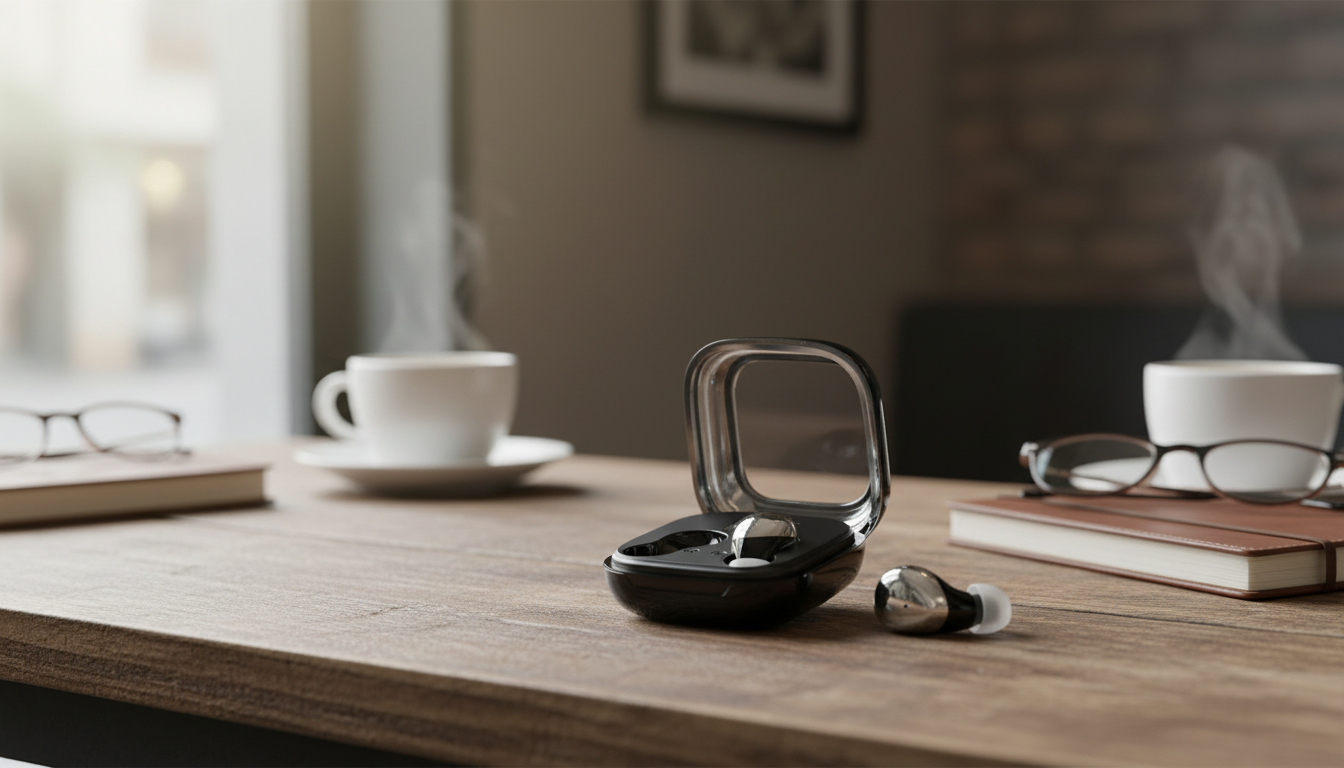
Invisible Sleep Earbuds for Side Sleepers: What “Invisible” Really Feels Like at 2 A.M.
Side sleeping can turn everyday earbuds into a nightly annoyance: bulky housings press into the ear, hard edges create hot spots on the pillow side, and a loose fit means you’re constantly reseating them. Truly “invisible” sleep earbuds focus on one thing first—low-profile comfort that stays stable when you roll over—then add the practical extras that matter at night: dependable Bluetooth, easy controls, and clearer voice pickup for calls or voice chats with ENC.
What “invisible” comfort means for side sleepers
When earbuds are described as “invisible,” the goal usually isn’t literal invisibility—it’s a shape that doesn’t announce itself with pressure or protrusion. For side sleepers, comfort is mostly about minimizing pillow contact and avoiding pressure points that build over hours.
- Low-profile housing reduces pressure points between the ear and pillow, helping prevent soreness during long stretches on one side.
- A secure, lightweight fit beats max volume for sleep. Steady playback without frequent readjustment is the win.
- Soft tips and correct sizing create a gentle seal that can reduce outside noise so you don’t have to crank volume.
- Sleep-friendly controls should be predictable and not overly sensitive, so turning over doesn’t trigger accidental taps.
Key features to look for in Bluetooth sleep earbuds
Not all compact earbuds are comfortable for sleeping. Side-sleeper models tend to prioritize geometry, tip softness, and stable connection over aggressive bass tuning or flashy touch features.
Comfort geometry: sit flush, not outward
Look for earbuds that sit closer to the concha (outer ear bowl) rather than sticking out. A compact profile helps reduce the “lever effect” where the pillow pushes the earbud deeper or pops it loose.
Connectivity stability: fewer wake-ups from dropouts
Unstable Bluetooth can be surprisingly disruptive, especially for light sleepers. A reliable connection at typical bedroom distances (nightstand to pillow) reduces sudden cutouts and reconnect chimes.
Microphone noise control (ENC): clearer voice when you need it
ENC (Environmental Noise Cancellation) focuses on microphone noise reduction. If you take late-night calls, join a voice chat, or speak softly to avoid waking someone, ENC can help make your voice sound cleaner by reducing background sounds the mic picks up.
Battery and charging habits: plan for your nightly routine
Sleep earbuds should comfortably cover your usual playback window—whether that’s a 30-minute meditation, a full audiobook chapter, or a long ambient loop. Also consider whether the charging case fits how you live: easy to place on a bedside table, easy to grab, easy to recharge.
Tip options: comfort is often one size change away
Multiple ear tip sizes matter more for sleep than for daytime listening. The right tip can reduce pressure, improve stability, and help passive noise reduction so volume stays moderate.
| Feature | Why it matters at night | What to check before buying |
|---|---|---|
| Low-profile fit | Reduces ear pressure against the pillow | Earbud sits flush; no sharp edges |
| Secure seal with soft tips | Helps mask noise at lower volume | Includes multiple tip sizes; comfortable seal |
| Stable Bluetooth | Prevents sudden cutouts that disrupt sleep | Consistent connection in bedroom distance |
| ENC for calls | Cleaner voice pickup in noisy spaces | Call quality in real-world environments |
| Easy controls | Avoids accidental presses while turning | Lockable controls or minimal tap sensitivity |
How these earbuds fit common sleep routines
Comfort and safety tips for sleeping with earbuds
- Keep volume moderate. A better seal often means you can lower volume while still hearing details. For guidance on safer listening habits, see the World Health Organization’s Make Listening Safe initiative.
- Use the smallest comfortable tip that still seals. Tips that are too large can create soreness; too small can loosen when you roll over.
- Take breaks if ears feel tender. If you notice pressure sensitivity, alternate ears or take a night off to reduce irritation.
- Maintain hygiene. Clean ear tips regularly to reduce wax buildup and keep the seal consistent.
- Stop if pain or ringing develops. Persistent ringing or discomfort is a sign to pause use and consider professional advice. The CDC’s overview of noises that can cause hearing loss is a useful reference for understanding risk factors.
Getting the best fit (quick setup guide)
Product spotlight: Invisible Sleep Earbuds for Side Sleepers – Ultra-Comfort Bluetooth with ENC
If the main challenge is pillow-side discomfort, a compact build is the feature that matters most. Invisible Sleep Earbuds for Side Sleepers – Ultra-Comfort Bluetooth with ENC are designed for low-profile wear to reduce pressure while sleeping on your side, while still covering the essentials for nightly playback.
If late-night calls or voice chats are part of your routine and you want to feel more prepared speaking softly and clearly, pair the setup with a communication-focused resource like Social Confidence in Any Situation | Printable Checklist for Self-Assurance and Communication Skills | Learn how to feel confident in social situations | Digital Download for Everyday Conversations and Networking.
FAQ
Are sleep earbuds comfortable for side sleepers?
They can be, as long as the earbuds are genuinely low-profile and you use the correct tip size. The easiest way to judge comfort is to test the fit while lying on your side and swap tips until pressure points disappear.
What does ENC do on earbuds?
ENC (Environmental Noise Cancellation) helps reduce background noise picked up by the earbuds’ microphones during calls, which can make your voice sound clearer. It’s different from active noise cancellation (ANC), which targets the sound you hear during listening.
Is it safe to sleep with earbuds in all night?
It can be safer when volume is kept moderate, tips are kept clean, and you stop if you notice soreness, pain, or ringing. If irritation builds up, take breaks and adjust tip sizing to reduce pressure.
Recommended for you



Non-Stress Sleep Positions: 1-Minute Night Checklist
May 30, 2026













Leave a comment