-
Shop
- Adidas
- Advanced Technologies
- Bathroom
- Best-Sellers
- Car Accessories
- Dating & Social Skills
- Digital Resources
- AI & Technology
- AI Skills
- Beauty
- Budgeting & Saving
- Car Buying & Ownership
- Cozy Feast Collection
- Electronics & Technology
- Emotional Intelligence
- Entrepreneurship & Business Growth
- Financial Education
- Financial Independence
- Financial Mindset & Psychology
- Goal Setting
- Home Styling & Organization
- Kitchen & Recipes
- Leadership
- Mindfulness
- Mindset
- Motivation
- Online Business
- Parenting & Child Development
- Personal Style & Fashion
- Pet Lifestyle & Wellness
- Positive Thinking
- Productivity
- Self Confidence
- Sleep Improvement
- Smart Life with AI
- Stress Management & Relaxation
- Travel Planning
- Wellness
- Yoga & Fitness
- Yoga & Mind-Body Practices
- Easter Products
- Education & Learning
- Family & Parenting
- Fashion
- Alexander McQueen
- Bags
- Bags & Wallets
- Balenciaga
- Belts
- Blazers
- Bottega Veneta
- Brunello Cucinelli
- Burberry
- Chanel
- Chloé
- Dior
- Dolce & Gabbana
- Dresses
- Etro
- Fendi
- Gucci
- Hats & Hair Accessories
- Jewelry
- Jil Sander
- Keychains
- Kiton
- Luggage
- Miu Miu
- Off-White
- Outerwear
- Prada
- Rick Owens
- Saint Laurent
- Shoes
- Socks & Tights
- The Row
- Tom Ford
- Valentino
- Valentino Garavani
- Versace
- Vivienne Westwood
- Watches
- Furniture
- Gadgets
- Health & Beauty
- Health & Wellness
- Home & Garden
- Home Electronics
- Kids & Babies
- Kitchen
- Lighting
- Patio, Lawn & Garden
- Personal Growth
- Pet Care
- Pet Supplies
- Pets
- Smart Home Living Guides
- Sport & Outdoors
- Stress Relief & Relaxation
- TikTok Growth & Monetization Mastery
- Travel
- Wealth
- Wealth Building
- Popular
- Best deals
24W Waterproof Bluetooth Speakers: Outdoor Buying Guide
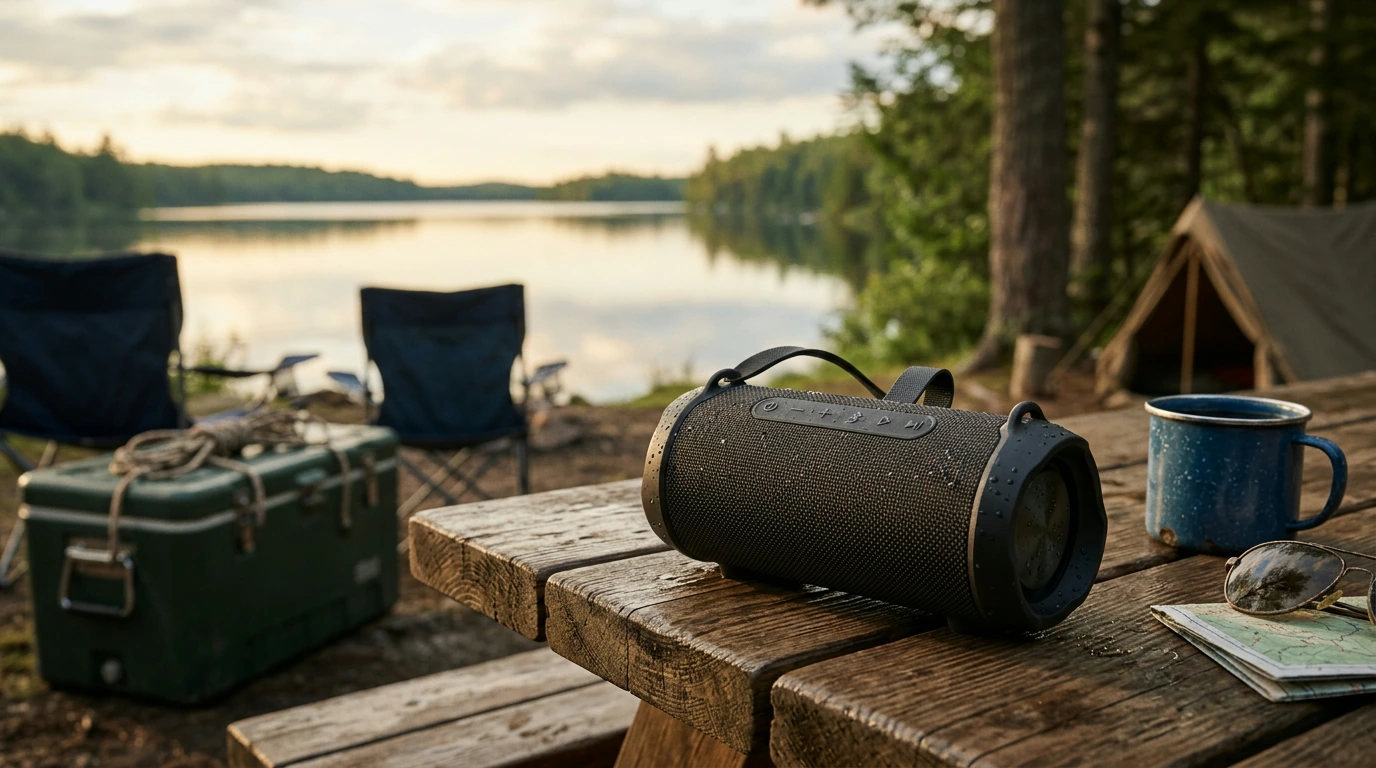
Portable Bluetooth Speakers for the Outdoors: What Really Matters
A portable speaker has to do more than play loud: it needs punchy bass, a stable wireless connection, battery life that lasts through a full day outside, and real-world durability around water, dust, and drops. Whether the plan is a campsite playlist, a beach hangout, a tailgate, or a backyard cookout, a 24W waterproof Bluetooth speaker can hit the sweet spot between easy carry and “big enough” sound. For more guidance, see 7 Best Waterproof Wireless Outdoor Speakers – Consumer Reports.
Below is a practical breakdown of what to look for, how to set expectations outdoors (where sound behaves differently than indoors), and a featured option that fits the category well. For further reading, see aowoka Portable Bluetooth Speaker with Battery … – Amazon.com.
What 24W output means for outdoor sound
A 24W portable speaker is typically strong enough for group listening in open areas where sound disperses quickly. Indoors, walls help reflect audio back toward you; outdoors, the same speaker can feel quieter because more sound energy “escapes” into the environment.
- Better headroom at higher volume: Extra power helps the speaker stay cleaner when you turn it up, reducing the harshness and distortion that can show up when a smaller unit is pushed to its limit.
- Outdoor loudness depends on conditions: Wind, nearby traffic, people talking, and how far listeners stand from the speaker all change perceived volume.
- Balanced tuning matters: For clearer vocals and less fatigue over long listening sessions, a well-balanced sound profile can be more enjoyable than raw loudness alone.
Bass that carries: what to look for in a compact speaker
Bass often sounds “thinner” outside because you lose the room reinforcement that boosts low frequencies indoors. That doesn’t mean a compact speaker can’t deliver impact—it just needs the right design choices.
- Look for bass-enhancing design elements: Many portable speakers rely on passive radiators or tuned ports to create a stronger low-end presence without turning midrange vocals muddy.
- Driver size and tuning are key: Larger drivers can move more air, but tuning and enclosure design often matter just as much for punch and control.
- Use placement to your advantage: Setting the speaker near a solid surface (a cooler, picnic table, or tailgate) can increase perceived bass. Avoid soft surfaces like thick sand or plush blankets that can absorb vibration and dull the low end.
Waterproof and outdoor durability basics
Water resistance is usually communicated through an IP rating, which describes protection against water and (when specified) dust. For most outdoor days, resistance to splashes, rain, and quick accidents matters more than deep-water submersion.
If the speaker is used around saltwater or sand, a simple habit makes a big difference over time: rinse (only if the manufacturer allows it), then dry thoroughly so debris doesn’t build up around grills, seams, or ports.
Quick guide to common IP meanings
| IP rating (example) | What it generally handles | Typical outdoor use |
|---|---|---|
| IPX4 | Splashes from any direction | Light rain, workout, kitchen/patio |
| IPX5 | Water jets/strong splashes | Boating spray, heavier rain |
| IPX7 | Short submersion (commonly up to ~1 m for ~30 min) | Poolside accidents, brief dunking |
| IP6X (dust) | Dust-tight protection | Beach, trails, dusty campsites |
For deeper background on how IP codes are defined, the IEC’s overview is a helpful reference: IEC 60529 IP ratings.
Wireless performance: Bluetooth range, stability, and latency
Bluetooth specs often quote an “up to” range, but real life is messier outdoors. People, trees, coolers, and vehicles can all block or reflect radio signals, and metal surfaces can be especially unfriendly to consistent connection.
- Prioritize line-of-sight: Keeping the phone in a pocket on the same side as the speaker can reduce dropouts compared with leaving it behind a car door or under a pile of gear.
- Think about placement: If the speaker sits behind a grill or near the back of a truck bed, the connection may suffer even at short distances.
- Latency matters for video: If the speaker will be used for sports clips or movies, lower latency improves lip sync. Compatibility depends on both your phone and the speaker’s supported Bluetooth features and codecs.
Battery life and charging habits for long days outside
Everyday usability that matters outdoors
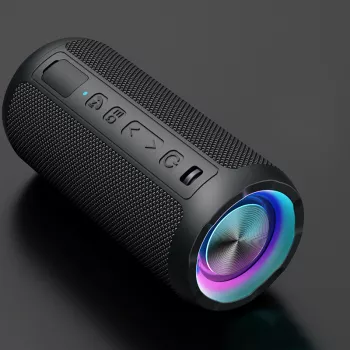
Featured option: Portable Bluetooth Speaker 24W Waterproof Outdoor Wireless Bass Speaker
If the goal is portable sound with real presence outdoors, the Portable Bluetooth Speaker 24W Waterproof Outdoor Wireless Bass Speaker is built for active environments. The 24W output offers the extra headroom that helps music stay clear and energetic in open air, while a waterproof build is better suited to poolside days, sudden rain, and wet hands.
At-a-glance details
| Item | Details |
|---|---|
| Product | Portable Bluetooth Speaker 24W Waterproof Outdoor Wireless Bass Speaker |
| Price | 68.51 USD |
| Availability | In stock |
| Product page | View product |
More in-stock picks worth a look
- How Essential Oils Can Ease Stress and Anxiety | Relaxation eBook Guide for Natural Stress Relief, Aromatherapy, and Anxiety Support (digital guide for winding down after loud, busy days)
FAQ
Is a waterproof speaker safe to use at the beach?
Yes, but “waterproof” mainly addresses water exposure, not sand and salt. Keep it off direct sand when possible, and after a beach day, gently clean and dry the exterior so grit doesn’t work into grills or port seals.
How loud is a 24W portable Bluetooth speaker outdoors?
It’s typically loud enough for small groups at picnics, campsites, and backyard hangouts, but perceived volume drops with wind and distance. Speaker efficiency and tuning also affect how “big” it sounds, so a clean, balanced design often feels louder than a strained one.
Why does bass sound weaker outside than indoors?
Indoors, walls and corners reinforce low frequencies; outdoors, that reinforcement disappears. Placing the speaker near a solid surface (like a table or cooler) and avoiding soft surfaces can help restore some perceived bass.
Recommended for you

TikTok Money-Saving Tips: Better Videos on a Budget
Sep 22, 2026













Leave a comment