-
Shop
- Adidas
- Advanced Technologies
- Bathroom
- Best-Sellers
- Car Accessories
- Dating & Social Skills
- Digital Resources
- AI & Technology
- AI Skills
- Beauty
- Budgeting & Saving
- Car Buying & Ownership
- Cozy Feast Collection
- Electronics & Technology
- Emotional Intelligence
- Entrepreneurship & Business Growth
- Financial Education
- Financial Independence
- Financial Mindset & Psychology
- Goal Setting
- Home Styling & Organization
- Kitchen & Recipes
- Leadership
- Mindfulness
- Mindset
- Motivation
- Online Business
- Parenting & Child Development
- Personal Style & Fashion
- Pet Lifestyle & Wellness
- Positive Thinking
- Productivity
- Self Confidence
- Sleep Improvement
- Smart Life with AI
- Stress Management & Relaxation
- Travel Planning
- Wellness
- Yoga & Fitness
- Yoga & Mind-Body Practices
- Easter Products
- Education & Learning
- Family & Parenting
- Fashion
- Alexander McQueen
- Bags
- Bags & Wallets
- Balenciaga
- Belts
- Blazers
- Bottega Veneta
- Brunello Cucinelli
- Burberry
- Chanel
- Chloé
- Dior
- Dolce & Gabbana
- Dresses
- Etro
- Fendi
- Gucci
- Hats & Hair Accessories
- Jewelry
- Jil Sander
- Keychains
- Kiton
- Luggage
- Miu Miu
- Off-White
- Outerwear
- Prada
- Rick Owens
- Saint Laurent
- Shoes
- Socks & Tights
- The Row
- Tom Ford
- Valentino
- Valentino Garavani
- Versace
- Vivienne Westwood
- Watches
- Furniture
- Gadgets
- Health & Beauty
- Health & Wellness
- Home & Garden
- Home Electronics
- Kids & Babies
- Kitchen
- Lighting
- Patio, Lawn & Garden
- Personal Growth
- Pet Care
- Pet Supplies
- Pets
- Smart Home Living Guides
- Sport & Outdoors
- Stress Relief & Relaxation
- TikTok Growth & Monetization Mastery
- Travel
- Wealth
- Wealth Building
- Popular
- Best deals
Luxury Spherical Camping Tent: Weather-Ready Glamping
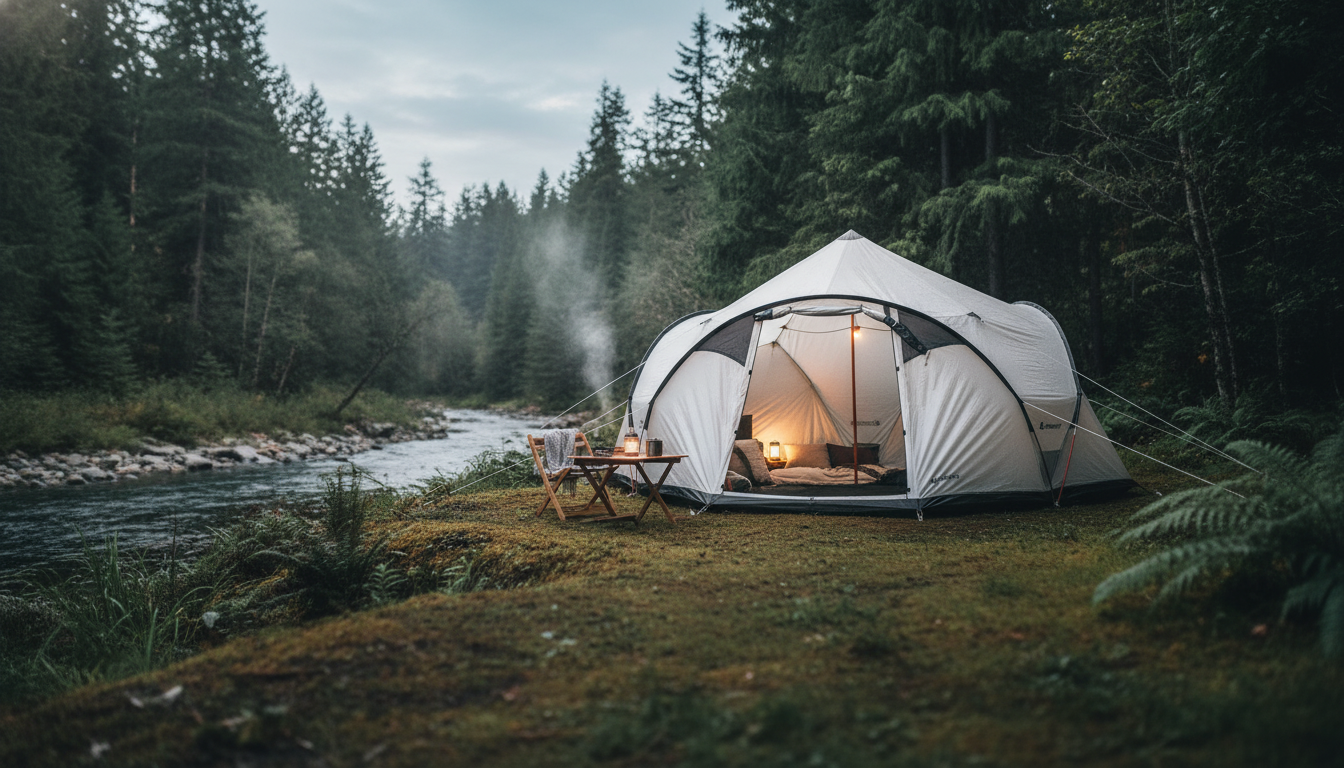
Weather-Resistant Luxury Spherical Camping Tent
A spherical tent changes the feel of camp: more headroom, a panoramic silhouette, and a cozy “glamping” vibe without giving up real-world protection. This guide breaks down what matters for stormy nights, comfort-forward weekends, and longer stays—plus practical tips for setup, care, and choosing the right site.
What Makes a Spherical Tent Different
Most tents rely on long, relatively flat walls. A spherical (or dome-forward) design leans into rounded geometry, which can behave differently when the weather turns. The curve helps reduce broad panels that catch gusts, and the interior tends to feel less “tunnel-like” and more livable.
- Rounded geometry can help shed wind by reducing flat sidewalls that catch gusts.
- Interior feels more open for standing, lounging, and arranging furniture-like camp gear.
- Distinctive look and layout that suits glamping, backyard stays, and destination camping.
- Often pairs well with “room” zoning: sleep area, gear corner, and a dry entry space.
That zoning is especially useful on multi-night trips: a clear “clean/dry” sleeping area stays more comfortable when shoes and wet layers live near the door, not next to the bedding.
Weather Resistance That Matters on the Ground
True weather resistance is less about one “waterproof” claim and more about how the whole shelter system works together. The best experience comes from a rain-ready pitch, dependable anchors, and ventilation that keeps the inside from feeling clammy.
- Rain protection starts with the full system: canopy fabric, seam sealing, and a bathtub-style floor that blocks splashback.
- Wind readiness depends on pole strength, guy-out points, and stake quality; use all anchor points when weather shifts.
- Condensation control is part of weather performance: vents, mesh placement, and the ability to crack openings without letting rain in.
- Cold and damp nights feel warmer when drafts are minimized and wet gear is kept out of the sleep zone.
It also pays to follow reputable safety guidance when storms are possible. Check local forecasts and warnings before and during your trip via the NOAA National Weather Service, and be ready to change plans if conditions escalate.
Quick Weather-Readiness Checklist
| Condition | What to set up | Common mistake to avoid |
|---|---|---|
| Heavy rain | Taut pitch, sealed seams (or seam sealer as needed), groundsheet positioned under the floor footprint | Letting the groundsheet stick out past the floor where it can funnel water underneath |
| High wind | All guy lines deployed, stakes set at proper angle, windward side tightened first | Skipping guy-outs because the tent looks stable at first |
| Humid nights | Open vents, keep airflow paths clear, separate wet items from sleeping area | Closing everything up and trapping moisture inside |
| Cold snap | Windbreak site selection, minimize door openings, add insulating sleeping pads | Relying on the tent alone for warmth instead of upgrading sleep system |
Luxury Comfort Features to Look For
Luxury in a camping tent isn’t only about looks—it’s about friction-free living: moving around without crouching, keeping gear organized, and staying comfortable when weather keeps you inside longer than expected.
- Roomy interior volume for real beds/pads, low cots, or plush sleep systems.
- Multiple doors or a generous entry to reduce tracked-in mud and keep airflow flexible.
- Storage pockets and hanging points for lanterns, organizers, and drying small items.
- Privacy and light control: window covers, fabric opacity, and thoughtful panel placement.
- Quiet comfort details: smooth zippers, storm flaps that don’t slap in wind, and stable geometry that limits fabric flapping.
For family trips, comfort also includes staying warm during early-morning cold dips. Packing reliable layers for kids can make a bigger difference than any single “extra feature.”
Setup Tips for a Stable, Dry Pitch
The strongest fabric and poles can’t compensate for a poor site or a rushed pitch. A few deliberate steps up front help prevent the classic midnight problems: puddles, fluttering panels, and condensation buildup.
Low-impact setup matters, too. Choose durable surfaces when possible and minimize site disturbance by following the Leave No Trace 7 Principles.
Care, Cleaning, and Off-Season Storage
For practical maintenance basics and best practices, the REI Co-op guide to tent care is a helpful reference.
Where This Style Shines (and Where to Be Cautious)
Featured Option: Weather-Resistant Luxury Spherical Camping Tent
If the goal is a premium camp setup with real protection, the Weather-Resistant Luxury Spherical Camping Tent is built around a distinctive spherical shape that emphasizes livable space and a polished campsite feel.
Gear Pairings for a More Comfortable Camp
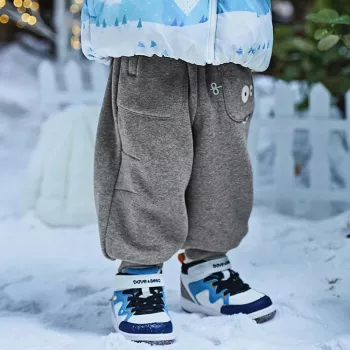
- Kids Winter Fleece-Lined Cargo Jogger Pants for Outdoor Comfort for chilly mornings, windy viewpoints, and shoulder-season nights.
- AI-Made Cozy Decor Mood Boards Checklist to plan a cohesive, cozy tablescape and lighting layout for glamping-style setups.
At-a-Glance
| Detail | Value |
|---|---|
| Product | Weather-Resistant Luxury Spherical Camping Tent |
| Price | $1611.99 USD |
| Availability | In stock |
| Product page | https://tupira.com/weather-resistant-luxury-spherical-camping-tent/ |
FAQ
Is a spherical tent good in strong wind and heavy rain?
It can be, because rounded shapes often reduce wind-catching flat panels, but storm performance still depends on a taut pitch, full guyline use, solid stakes, sealed seams, and smart site selection. In bad weather, face the smallest profile into the wind and re-tension lines after the fabric relaxes.
How do you reduce condensation inside a weather-resistant tent?
Keep air moving by using high vents and maintaining a clear airflow path, even if that means cracking a protected opening under a storm flap. Store wet gear near the entry (not by bedding) and avoid camping right beside standing water where humidity is highest.
What’s the best way to store a tent after a wet trip?
Dry it completely as soon as possible, then spot-clean with mild soap and water and let it air-dry again before packing away. Store it loosely in a breathable bag (not compressed long-term) and check later for any mildew odor before the next trip.














Leave a comment