-
Shop
- Adidas
- Advanced Technologies
- Bathroom
- Best-Sellers
- Car Accessories
- Dating & Social Skills
- Digital Resources
- AI & Technology
- AI Skills
- Beauty
- Budgeting & Saving
- Car Buying & Ownership
- Cozy Feast Collection
- Electronics & Technology
- Emotional Intelligence
- Entrepreneurship & Business Growth
- Financial Education
- Financial Independence
- Financial Mindset & Psychology
- Goal Setting
- Home Styling & Organization
- Kitchen & Recipes
- Leadership
- Mindfulness
- Mindset
- Motivation
- Online Business
- Parenting & Child Development
- Personal Style & Fashion
- Pet Lifestyle & Wellness
- Positive Thinking
- Productivity
- Self Confidence
- Sleep Improvement
- Smart Life with AI
- Stress Management & Relaxation
- Travel Planning
- Wellness
- Yoga & Fitness
- Yoga & Mind-Body Practices
- Easter Products
- Education & Learning
- Family & Parenting
- Fashion
- Alexander McQueen
- Bags
- Bags & Wallets
- Balenciaga
- Belts
- Blazers
- Bottega Veneta
- Brunello Cucinelli
- Burberry
- Chanel
- Chloé
- Dior
- Dolce & Gabbana
- Dresses
- Etro
- Fendi
- Gucci
- Hats & Hair Accessories
- Jewelry
- Jil Sander
- Keychains
- Kiton
- Luggage
- Miu Miu
- Off-White
- Outerwear
- Prada
- Rick Owens
- Saint Laurent
- Shoes
- Socks & Tights
- The Row
- Tom Ford
- Valentino
- Valentino Garavani
- Versace
- Vivienne Westwood
- Watches
- Furniture
- Gadgets
- Health & Beauty
- Health & Wellness
- Home & Garden
- Home Electronics
- Kids & Babies
- Kitchen
- Lighting
- Patio, Lawn & Garden
- Personal Growth
- Pet Care
- Pet Supplies
- Pets
- Smart Home Living Guides
- Sport & Outdoors
- Stress Relief & Relaxation
- TikTok Growth & Monetization Mastery
- Travel
- Wealth
- Wealth Building
- Popular
- Best deals
Mindful Driving Habits for Calm Commutes & Long Trips
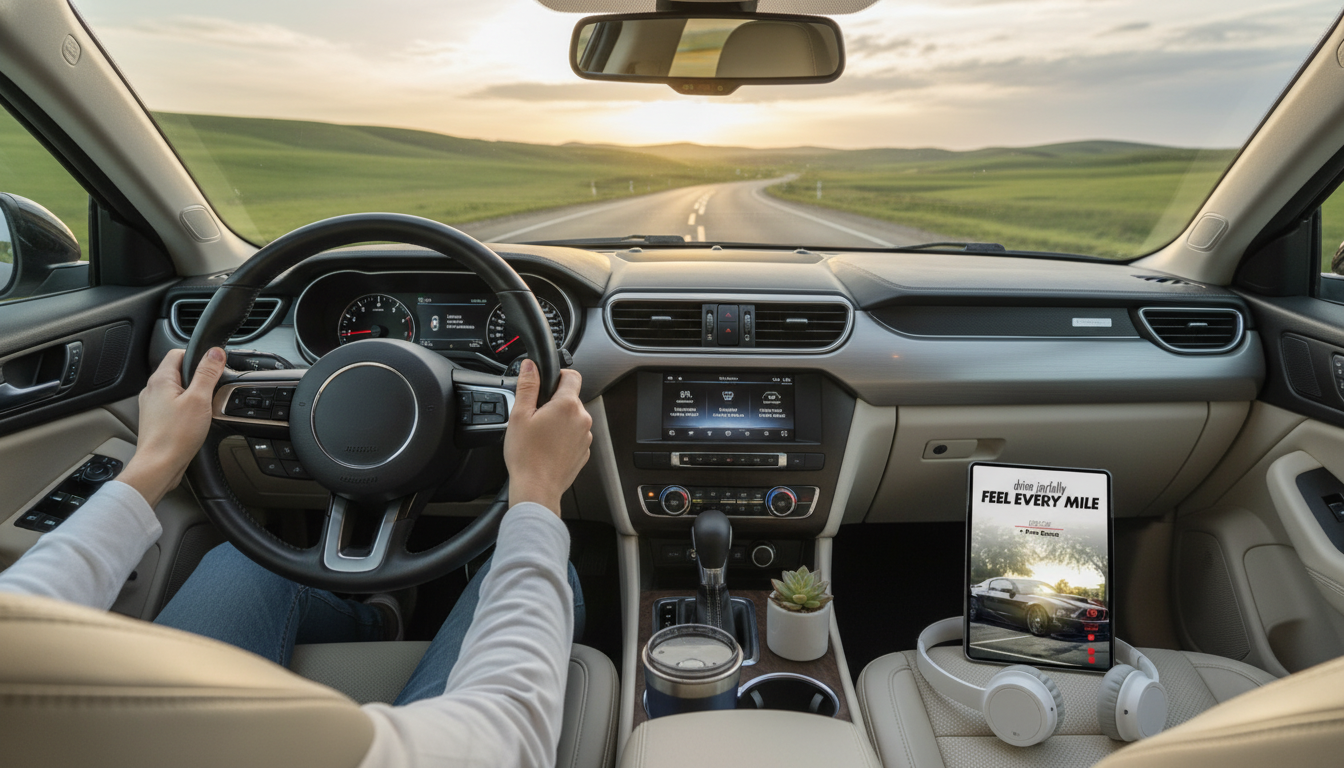
Drive Joyfully, Feel Every Mile: Mindful Driving for Calm Commutes and Meaningful Travel
Driving can feel like a chore—traffic, time pressure, distractions, and a constant mental to-do list. Mindful driving reframes the same miles into something steadier: a safer, calmer, more present experience that reduces stress and improves focus. Instead of trying to “win” the road, you practice noticing what’s happening now—your spacing, your breath, the flow of traffic—so your choices stay clear even when conditions aren’t.
This approach doesn’t require extra time, special gear, or perfect conditions. It’s a set of small, road-ready habits that help commutes feel lighter and long drives feel more intentional.
What “mindful driving” actually looks like on real roads
Mindful driving is practical, not mystical. It’s attention management under real-world pressure.
- Attention on what matters now: lane position, spacing, speed, road surface, and traffic flow—rather than replaying the past or rehearsing future conversations.
- A calm baseline: noticing tension in the jaw, shoulders, hands, and breath and releasing it without forcing relaxation.
- Clear choices under pressure: responding to cut-ins, slowdowns, and mistakes with steady reactions that prioritize safety over “being right.”
- Respecting limits: recognizing fatigue, overload, and emotional agitation early enough to pause, slow down, or reset.
- A driver’s “zone” that isn’t numb: present and alert, not checked out—and not overstimulated by constant inputs.
These habits also align with what safety experts emphasize about distraction: when attention is split, risk rises. For a useful overview of what counts as distraction (including hands-free mental distraction), see the National Highway Traffic Safety Administration (NHTSA) guidance on distracted driving.
Before you start: a 2-minute setup that changes the whole drive
The tone of a drive is often set before the wheels move. A short setup reduces “fiddling,” frantic decisions, and tense body posture that can amplify stress.
- Micro-check your state: rate stress and fatigue from 1–10. If either is high, plan a gentler pace, fewer tasks, and a time buffer.
- Set the environment: adjust seat, mirrors, temperature, and audio before moving.
- Choose one intention: “smooth and steady,” “leave space,” or “arrive calm.” A simple phrase can interrupt impulsive reactions.
- Pick a single navigation plan: confirm the route once, then stop re-checking unless conditions change.
- Silence non-essential notifications: fewer interruptions mean fewer attention shifts and less stress.
Quick pre-drive reset (use one row, not all at once)
| Moment | What to do | Why it helps |
|---|---|---|
| Parked, before ignition | Unclench jaw, drop shoulders, take 3 slow breaths | Reduces baseline tension that turns minor events into big stress |
| Hands on wheel | Soften grip; aim for “secure, not tight” | Improves fine control and lowers physical strain |
| First mile | Leave extra following distance | Creates time to react and reduces urgency |
| At first stoplight | Check posture and breathe out longer than you breathe in | Signals the body to downshift into calmer focus |
| Before merging | Name the action: “mirror, signal, shoulder check, merge” | Keeps attention sequential and reduces panic merges |
On-the-road practices for calmer commutes
Once you’re moving, the goal isn’t to “do a technique” perfectly. It’s to keep returning to what driving actually requires: awareness, timing, and steady regulation.
Stress doesn’t just “stay in the mind”—it shows up in the body and can narrow attention. If you want a clear explanation of how stress affects the body (and why it can feel so immediate), the American Psychological Association overview is a helpful reference.
Handling stress triggers without carrying them for miles
Also watch for fatigue. Drowsiness can mimic calm (“I feel fine”) while reaction time quietly drops. The CDC resource on drowsy driving explains why quick breaks and honest self-checks matter.
Making longer drives feel meaningful (not just endured)
A gentle 7-day practice plan for better drives
A practical companion for mindful driving routines
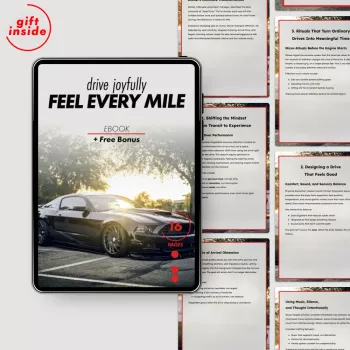
If you want these habits organized into repeatable routines, Drive Joyfully, Feel Every Mile – eBook Guide on How to Really Enjoy the Drive turns quick resets, attention anchors, and trigger-handling into an easy daily reference for calmer commutes and more grounded travel.
For drivers who notice that stress shows up not only on the road but also in everyday interactions (like arriving tense and feeling “on edge”), Social Confidence in Any Situation | Printable Checklist for Self-Assurance and Communication Skills can pair well with mindful driving by helping conversations start from a calmer baseline once you arrive.
FAQ
Can mindful driving make commuting less stressful without adding extra time?
Yes. It changes where attention goes and how you respond, not the route or speed. Small habits like a quick pre-drive setup, more following distance, and red-light resets fit into the time you already have.
Is mindful driving safe, or does it distract from the road?
It’s designed to increase focus on driving cues like spacing, scanning, and body tension while reducing multitasking. Keep it simple while moving—no complex practices—just return attention to the road and your control inputs.
What can be done when anger spikes after someone cuts in?
Create space first, then label what you feel (“anger,” “fear,” or “rush”), lengthen your exhale, and return attention to scanning and safe priorities. If you still feel flooded, pull over when safe and reset before continuing.
Recommended for you


3D Bunny Baby Knit Sweater: Fit, Outfits & Care Tips
May 31, 2026













Leave a comment