-
Shop
- Adidas
- Advanced Technologies
- Bathroom
- Best-Sellers
- Car Accessories
- Dating & Social Skills
- Digital Resources
- AI & Technology
- AI Skills
- Beauty
- Budgeting & Saving
- Car Buying & Ownership
- Cozy Feast Collection
- Electronics & Technology
- Emotional Intelligence
- Entrepreneurship & Business Growth
- Financial Education
- Financial Independence
- Financial Mindset & Psychology
- Goal Setting
- Home Styling & Organization
- Kitchen & Recipes
- Leadership
- Mindfulness
- Mindset
- Motivation
- Online Business
- Parenting & Child Development
- Personal Style & Fashion
- Pet Lifestyle & Wellness
- Positive Thinking
- Productivity
- Self Confidence
- Sleep Improvement
- Smart Life with AI
- Stress Management & Relaxation
- Travel Planning
- Wellness
- Yoga & Fitness
- Yoga & Mind-Body Practices
- Easter Products
- Education & Learning
- Family & Parenting
- Fashion
- Alexander McQueen
- Bags
- Bags & Wallets
- Balenciaga
- Belts
- Blazers
- Bottega Veneta
- Brunello Cucinelli
- Burberry
- Chanel
- Chloé
- Dior
- Dolce & Gabbana
- Dresses
- Etro
- Fendi
- Gucci
- Hats & Hair Accessories
- Jewelry
- Jil Sander
- Keychains
- Kiton
- Luggage
- Miu Miu
- Off-White
- Outerwear
- Prada
- Rick Owens
- Saint Laurent
- Shoes
- Socks & Tights
- The Row
- Tom Ford
- Valentino
- Valentino Garavani
- Versace
- Vivienne Westwood
- Watches
- Furniture
- Gadgets
- Health & Beauty
- Health & Wellness
- Home & Garden
- Home Electronics
- Kids & Babies
- Kitchen
- Lighting
- Patio, Lawn & Garden
- Personal Growth
- Pet Care
- Pet Supplies
- Pets
- Smart Home Living Guides
- Sport & Outdoors
- Stress Relief & Relaxation
- TikTok Growth & Monetization Mastery
- Travel
- Wealth
- Wealth Building
- Popular
- Best deals
Living Room Flow Explained: Layout, Walkways, Spacing
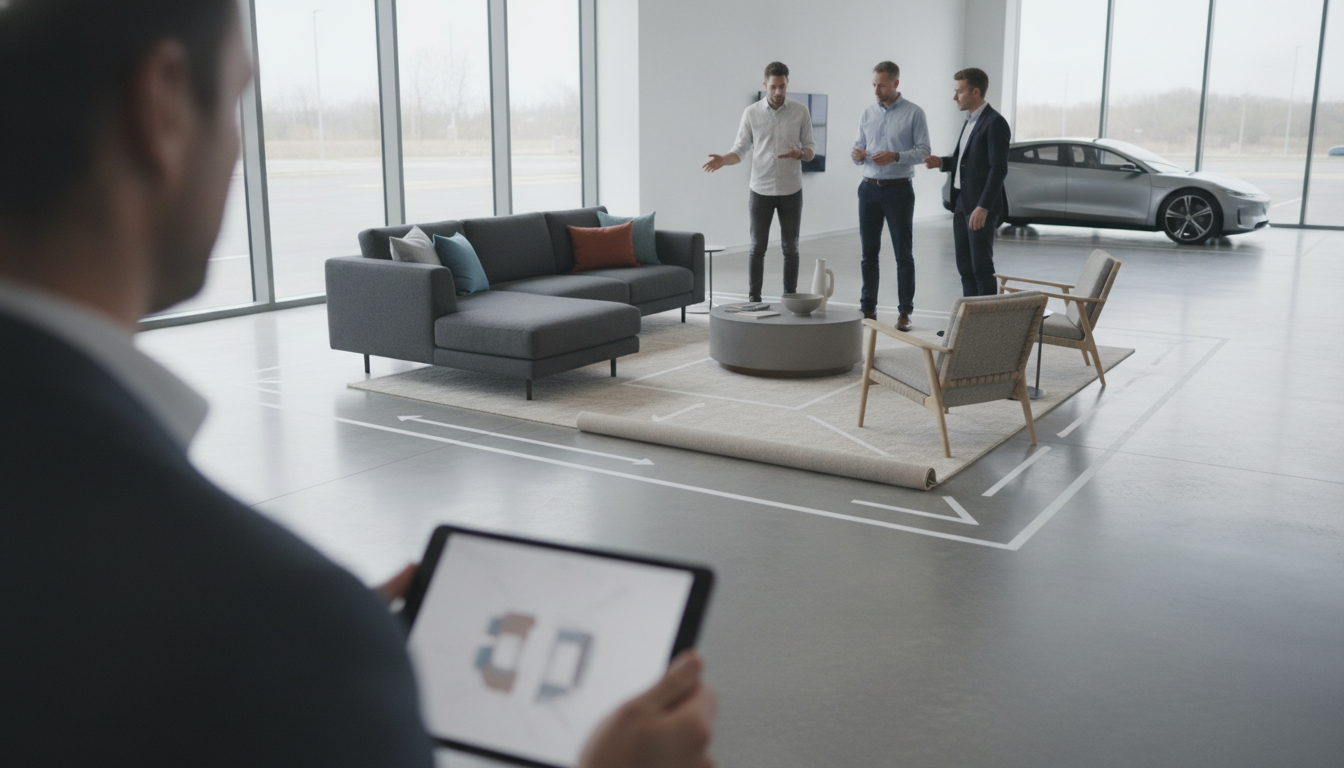
What does living room flow mean?
Living room flow means how easily people can move through the space—walking between seats, passing in front of the sofa, reaching doors, and accessing everyday items—without feeling blocked or forced to squeeze past furniture. Good flow feels natural: pathways are clear, turns are easy, and the room supports what actually happens there (talking, lounging, watching TV, hosting, or keeping an eye on kids and pets).
Flow isn’t only about open space; it’s about intentional space. A well-planned layout guides traffic around seating instead of through it, keeps the most-used routes unobstructed, and places key pieces (like the coffee table or media console) close enough to use without making the room cramped.
What good living room flow looks like
In practical terms, good flow usually includes a defined main walkway, seating arranged for conversation or viewing, and “breathing room” around furniture edges. It also means doors can swing freely, drawers can open, and people can enter, sit down, and stand up without bumping corners.
What hurts flow
Common flow problems include oversized furniture for the room, coffee tables that sit too close to knees, accent chairs that block the path to another area, or rugs that are too small and cause furniture to “float” awkwardly. Clutter can also disrupt flow by narrowing routes and creating visual noise.
How to improve flow quickly
Start by identifying the routes people use most often—entry to seating, seating to TV, seating to adjacent rooms—and keep those paths as direct as possible. Then adjust spacing: pull pieces off pinch points, align furniture with the room’s natural traffic patterns, and consider swapping in slimmer items if walkways still feel tight. For a deeper checklist of layout rules and easy movement tips, see this guide to living room flow.
FAQ
How much space should you leave for walkways in a living room?
Aim for clear paths that feel comfortable for everyday walking, especially between entrances and seating. If a route feels like you have to turn sideways or sidestep furniture, widen it by shifting or downsizing pieces.
Recommended for you
Weekly Money Reset: Plan Income, Expenses & Savings
Jul 25, 2026
Emergency Fund vs Sinking Fund: Build Both Buckets
Jul 25, 2026









Leave a comment