-
Shop
- Adidas
- Advanced Technologies
- Bathroom
- Best-Sellers
- Car Accessories
- Dating & Social Skills
- Digital Resources
- AI & Technology
- AI Skills
- Beauty
- Budgeting & Saving
- Car Buying & Ownership
- Cozy Feast Collection
- Electronics & Technology
- Emotional Intelligence
- Entrepreneurship & Business Growth
- Financial Education
- Financial Independence
- Financial Mindset & Psychology
- Goal Setting
- Home Styling & Organization
- Kitchen & Recipes
- Leadership
- Mindfulness
- Mindset
- Motivation
- Online Business
- Parenting & Child Development
- Personal Style & Fashion
- Pet Lifestyle & Wellness
- Positive Thinking
- Productivity
- Self Confidence
- Sleep Improvement
- Smart Life with AI
- Stress Management & Relaxation
- Travel Planning
- Wellness
- Yoga & Fitness
- Yoga & Mind-Body Practices
- Easter Products
- Education & Learning
- Family & Parenting
- Fashion
- Alexander McQueen
- Bags
- Bags & Wallets
- Balenciaga
- Belts
- Blazers
- Bottega Veneta
- Brunello Cucinelli
- Burberry
- Chanel
- Chloé
- Dior
- Dolce & Gabbana
- Dresses
- Etro
- Fendi
- Gucci
- Hats & Hair Accessories
- Jewelry
- Jil Sander
- Keychains
- Kiton
- Luggage
- Miu Miu
- Off-White
- Outerwear
- Prada
- Rick Owens
- Saint Laurent
- Shoes
- Socks & Tights
- The Row
- Tom Ford
- Valentino
- Valentino Garavani
- Versace
- Vivienne Westwood
- Watches
- Furniture
- Gadgets
- Health & Beauty
- Health & Wellness
- Home & Garden
- Home Electronics
- Kids & Babies
- Kitchen
- Lighting
- Patio, Lawn & Garden
- Personal Growth
- Pet Care
- Pet Supplies
- Pets
- Smart Home Living Guides
- Sport & Outdoors
- Stress Relief & Relaxation
- TikTok Growth & Monetization Mastery
- Travel
- Wealth
- Wealth Building
- Popular
- Best deals
Yoga Relaxation Checklist: 10–40 Min Calm Flow
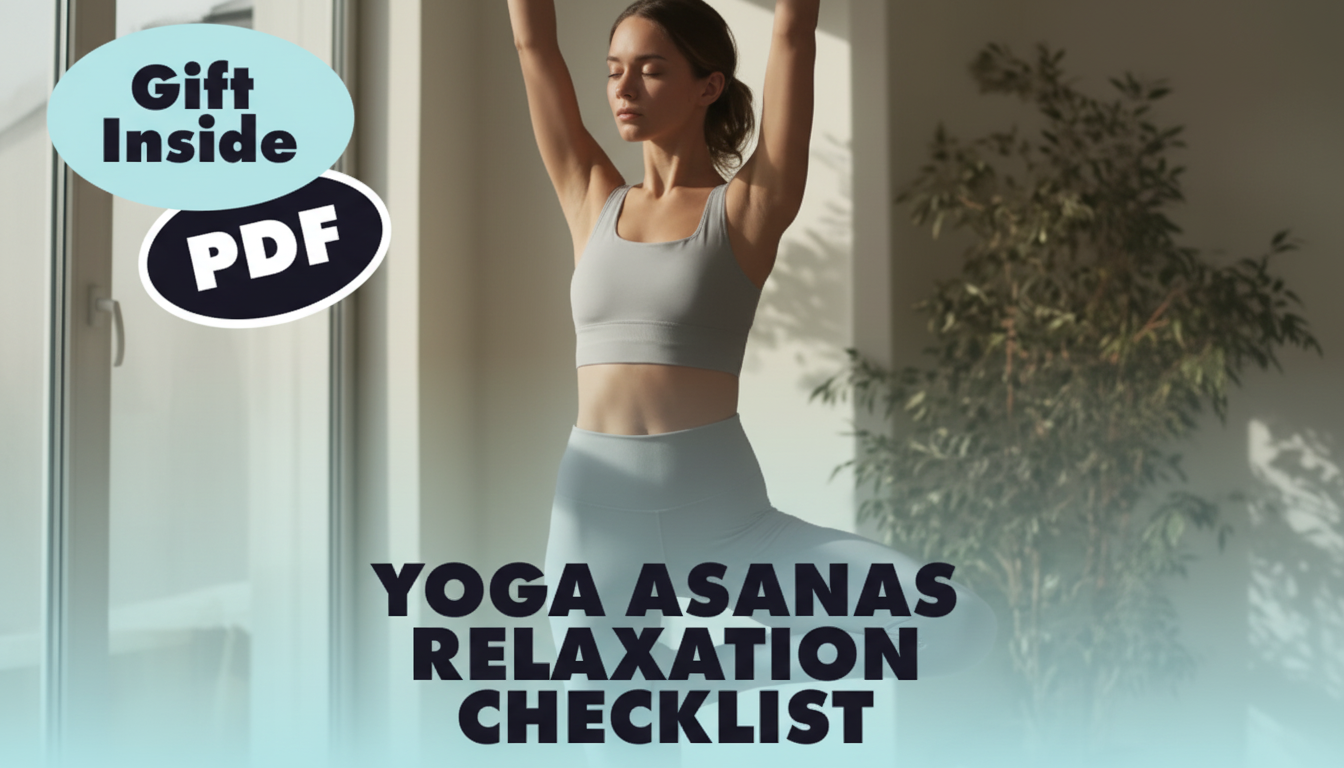
Unwind Without Overthinking: A Yoga Asanas Relaxation Checklist You Can Actually Repeat
A practical yoga relaxation checklist removes the guesswork from winding down—especially on days when stress makes it hard to choose what to do. Instead of scrolling for routines or negotiating with motivation, a simple, repeatable flow helps the body and mind shift gears. This digital download is designed to support a steady practice with calming asanas, supportive cues, and a clear start-to-finish sequence that fits real life, whether you need a quick reset or a longer evening unwind.
What this relaxation checklist helps with
- Creates an easy path from tension to calm by organizing postures into a relaxing sequence
- Encourages consistent practice through checkboxes, simple prompts, and a start-to-finish structure
- Supports nervous system downshifting with slower movement, longer holds, and rest-focused poses
- Helps reduce decision fatigue: fewer choices, more consistency
- Works as a standalone routine or as a calming add-on after workouts, workdays, or travel
For a quick credibility check on yoga’s general role in stress support, see the National Center for Complementary and Integrative Health (NCCIH) overview on yoga and Harvard Health Publishing’s notes on yoga for sleep and stress.
What’s included in the digital download
- A pose checklist format that can be followed in order or customized
- Relaxation-focused asanas commonly used in gentle yoga, restorative yoga, and bedtime wind-down routines
- Simple guidance for pacing: breath cues, time suggestions, and when to pause
- Space to note sensations, stress triggers, and what helped most (useful for building self-awareness over time)
- A quick-start option for days when only a few minutes are available
The goal is to make “calm” more repeatable: same general order, low mental effort, and enough structure to keep the practice moving—without pushing intensity.
How to use the checklist (choose a 10-, 20-, or 40-minute flow)
- Set the tone: dim lights, silence notifications, and choose a comfortable surface (mat, rug, or carpet)
- Pick a session length and commit to an “easy pace” that prioritizes steady breathing over depth
- Move from gentle mobility to longer holds, then finish with a full rest pose
- Use a timer for holds if helpful; otherwise, count slow breaths (for example, 5–10 breaths per pose)
- End with a 30–90 second pause to notice body temperature, jaw/shoulder softness, and the quality of the breath
Session timing ideas (adapt as needed)
| Session length | Suggested structure | Best for |
|---|---|---|
| 10 minutes | 2–4 poses + 1 rest pose | Quick decompression between tasks |
| 20 minutes | 4–7 poses + longer rest | After work, before dinner, post-travel |
| 40 minutes | Full sequence + optional breathwork | Evening wind-down or weekend reset |
Relaxation-friendly asanas to prioritize (and why they work)
- Forward folds and supported folds: encourage a quieter pace and reduce the urge to “push.” When supported (hands on blocks, chest on a pillow), they can feel like a physical exhale.
- Hip openers done gently: helpful when stress shows up as restlessness or tightness in the lower body. Think “easeful stretch,” not max range.
- Twists performed slowly: support ease in the spine and a sense of wringing out tension—without forcing range. Gentle twists paired with long breaths often feel more calming than deeper versions.
- Legs-up-the-wall style shapes: commonly used for end-of-day heaviness and for shifting into rest mode. Micro-bend knees if hamstrings tug, and use a folded blanket under hips for comfort.
- Rest poses: the most important part of relaxation practice—schedule them on purpose rather than “if there’s time.” A short rest is good; a longer rest is often where the downshift clicks.
Breathing and nervous-system cues to pair with the poses
A simple 7-day calm plan (use the checklist daily)
Helpful add-ons you can stack with the routine
If stress spikes quickly, a short grounding practice can make it easier to settle into yoga rather than spending the first 10 minutes feeling scattered. For a simple, structured option, pair the flow with Grounded & Empowered: Simple Skills to Stay Present and Calm (Digital Guide).
And if stress tends to show up most in conversations, meetings, or networking, a confidence checklist can complement the calm practice. Try stacking: 1 minute of grounding → yoga relaxation checklist → quick reflection. A practical companion is Social Confidence in Any Situation (Printable Checklist).
Printing and device tips for a smoother practice
If your environment affects your ability to unwind, planning a calmer visual setup can help. A creative option for building a cozy, low-stimulation vibe is AI-Made Cozy Decor Mood Boards Checklist (Digital Download).
Who this guide fits best
FAQ
Is this relaxation checklist suitable for beginners?
Yes—this style of checklist is beginner-friendly because it focuses on slower pacing, lower intensity, and optional props for support. Stay in a comfortable range, skip anything that causes pain, and consider checking with a qualified professional if you have injuries or medical concerns.
How much time is needed to feel calmer?
Many people notice a downshift in 10–20 minutes, especially when the exhale is slow and the final rest pose isn’t rushed. Consistency tends to deepen the effect, so trying the 7-day plan and prioritizing a longer end-of-practice rest can help.
Can the eBook be printed and used as a daily tracker?
Yes—print the checklist pages and keep them by your mat so you can mark completed sessions and jot quick notes. You can also save it to a phone or tablet for travel, office breaks, or evenings when you want a screen-light, low-effort routine.
Recommended for you



Cozy Floral Fleece Tank Coat: Warmth for Small Dogs
May 26, 2026









Leave a comment