-
Shop
- Adidas
- Advanced Technologies
- Bathroom
- Best-Sellers
- Car Accessories
- Dating & Social Skills
- Digital Resources
- AI & Technology
- AI Skills
- Beauty
- Budgeting & Saving
- Car Buying & Ownership
- Cozy Feast Collection
- Electronics & Technology
- Emotional Intelligence
- Entrepreneurship & Business Growth
- Financial Education
- Financial Independence
- Financial Mindset & Psychology
- Goal Setting
- Home Styling & Organization
- Kitchen & Recipes
- Leadership
- Mindfulness
- Mindset
- Motivation
- Online Business
- Parenting & Child Development
- Personal Style & Fashion
- Pet Lifestyle & Wellness
- Positive Thinking
- Productivity
- Self Confidence
- Sleep Improvement
- Smart Life with AI
- Stress Management & Relaxation
- Travel Planning
- Wellness
- Yoga & Fitness
- Yoga & Mind-Body Practices
- Easter Products
- Education & Learning
- Family & Parenting
- Fashion
- Alexander McQueen
- Bags
- Bags & Wallets
- Balenciaga
- Belts
- Blazers
- Bottega Veneta
- Brunello Cucinelli
- Burberry
- Chanel
- Chloé
- Dior
- Dolce & Gabbana
- Dresses
- Etro
- Fendi
- Gucci
- Hats & Hair Accessories
- Jewelry
- Jil Sander
- Keychains
- Kiton
- Luggage
- Miu Miu
- Off-White
- Outerwear
- Prada
- Rick Owens
- Saint Laurent
- Shoes
- Socks & Tights
- The Row
- Tom Ford
- Valentino
- Valentino Garavani
- Versace
- Vivienne Westwood
- Watches
- Furniture
- Gadgets
- Health & Beauty
- Health & Wellness
- Home & Garden
- Home Electronics
- Kids & Babies
- Kitchen
- Lighting
- Patio, Lawn & Garden
- Personal Growth
- Pet Care
- Pet Supplies
- Pets
- Smart Home Living Guides
- Sport & Outdoors
- Stress Relief & Relaxation
- TikTok Growth & Monetization Mastery
- Travel
- Wealth
- Wealth Building
- Popular
- Best deals
Reusable Microfiber Mop Pads: Wet & Dry Cleaning Guide
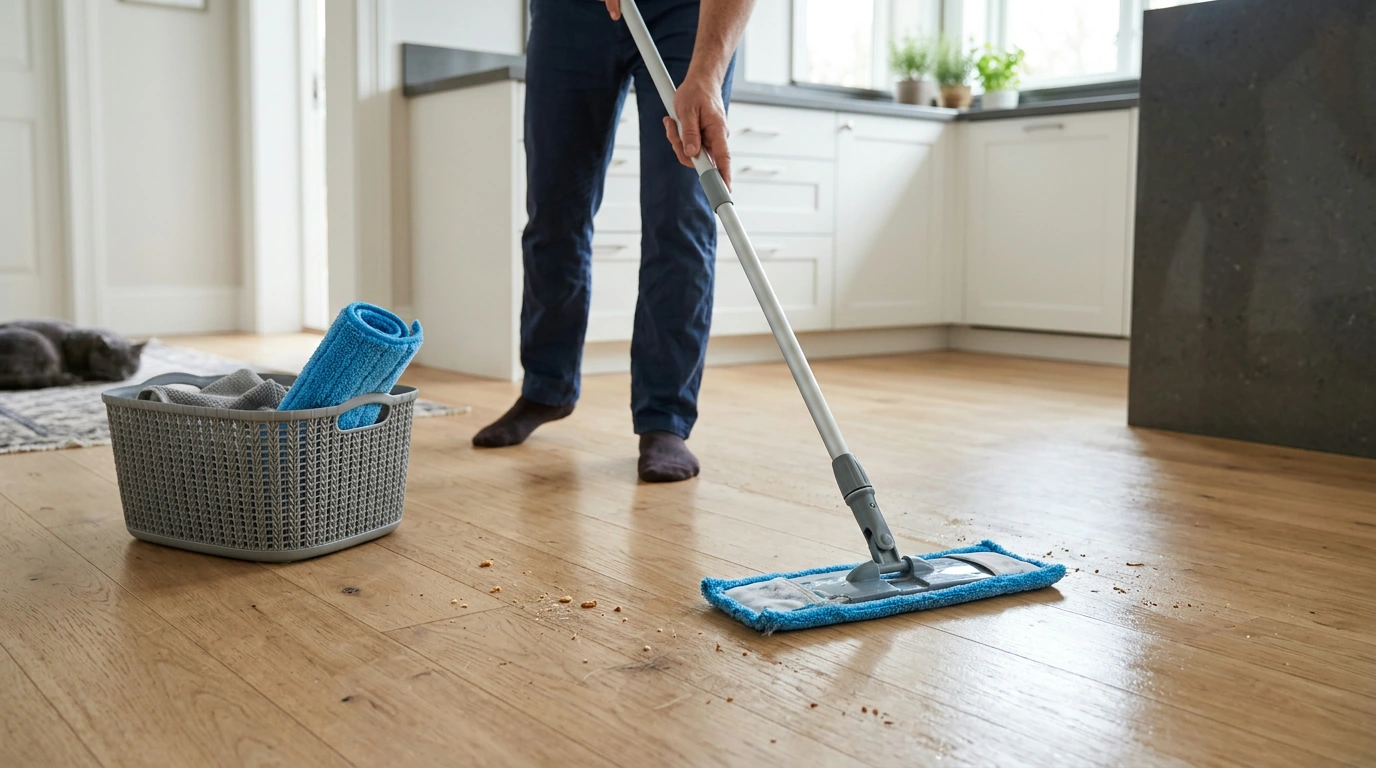
Everyday Floor Care Made Simple with Reusable Microfiber Mop Pads
Reusable microfiber mop pads streamline routine floor care by handling quick dry dusting and deeper wet cleaning with the same pad style. Microfiber’s fine fibers help grab dust, hair, and crumbs while also spreading water or cleaner evenly for streak-free results on many sealed floors. A 2-pack makes it easier to rotate pads—one in use, one ready for the next room or wash cycle—so cleaning stays fast and consistent. The sections below cover where these pads work best, how to use them for wet and dry passes, and how to keep them performing wash after wash.
What makes reusable microfiber mop pads different
Microfiber is designed for high-contact pickup. Instead of nudging debris ahead of the mop, dense microfiber fibers lift and trap fine dust, grit, and pet hair—especially helpful in entryways, kitchens, and anywhere shoes or paws track in particles that can feel “crunchy” underfoot.
Because they’re washable, reusable pads also cut down on disposable pad refills and paper products for everyday dusting and light mopping. Over time, that’s less waste and fewer last-minute runs to restock supplies.
In practice, they work well as a simple two-step system: start with a dry pass to capture loose debris, then switch to a damp pass to loosen residue. Microfiber also tends to spread moisture and cleaner more evenly than many single-use cloths, which helps reduce patchy drying and visible streaks on glossy or dark floors.
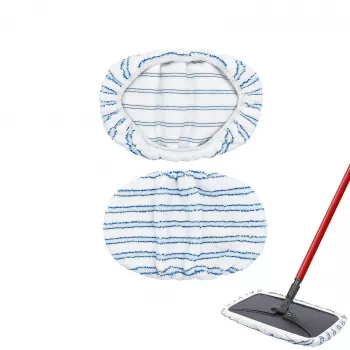
If you’re building a dependable routine, consider keeping a set like Reusable Microfiber Mop Pads for Wet & Dry Floor Cleaning – 2-Pack on hand so there’s always a clean pad ready when one loads up.
Best uses for wet cleaning and dry cleaning
Microfiber pads shine when you match the moisture level to the mess. Dry cleaning is ideal for quick daily pickup in kitchens, entryways, hallways, and around litter boxes—anywhere crumbs, hair, and dust collect fast. Wet cleaning is better for the weekly (or as-needed) “reset” once loose debris is removed.
For day-to-day life, spot cleaning is where microfiber feels especially convenient. Dampen only part of the pad to tackle a scuff, paw print, or sticky drip, then finish with a few light dry strokes to buff the area and reduce streaking. This makes it easy to move from dusting to damp mopping without switching to a different tool.
| Cleaning mode | Pad moisture level | What it’s best for | Tips for better results |
|---|---|---|---|
| Dry | Completely dry | Dust, hair, crumbs, grit | Use overlapping strokes; shake debris into a bin between rooms |
| Damp | Lightly damp (not dripping) | Everyday smudges and light dirt | Rinse/refresh the pad if it starts dragging |
| Wet | Moist with cleaner/water | Sticky spots and heavier soil | Do a dry pass first; finish with a quick dry buff if needed |
Floor types and where to be cautious
Reusable microfiber mop pads are typically suitable for many sealed hard floors such as tile, vinyl, laminate, and sealed hardwood when used damp rather than soaking wet. The key is controlling water: the pad should glide smoothly without dripping, and the floor should dry quickly.
Hardwood deserves extra care. Keep the pad only lightly damp, work in smaller sections, and do a brief dry-buff pass at the end to prevent lingering moisture—especially along plank seams where water can sit if overapplied. If your floor manufacturer has specific cleaning guidance, follow it first.
How to use a 2-pack efficiently
If you use a cleaning solution, apply it lightly to the floor (or mist the pad) rather than saturating the pad. Over-wetting can cause drag, slow drying, and leave residue—especially if the product is concentrated. For product selection, the EPA Safer Choice program is a helpful reference for choosing cleaners with safer ingredients, and the CDC’s cleaning guidance can help clarify when cleaning versus disinfecting is appropriate in busy households.
Care, washing, and long-term performance
| Task | When to do it | Why it helps |
|---|---|---|
| Shake/rinse pad | After each use | Prevents grit from hardening in fibers and scratching surfaces |
| Machine wash (no softener) | After heavy jobs or every few uses | Restores pickup and absorbency |
| Low-heat dry or air-dry | After washing | Maintains fiber structure for better dust capture |
| Replace when fibers flatten | After many wash cycles | Worn fibers lose ability to trap fine debris |
What to expect in day-to-day cleaning
For a more calming reset after the home is clean, some people like to pair a tidy space with a relaxation routine. If that’s your style, How Essential Oils Can Ease Stress and Anxiety | Relaxation eBook Guide for Natural Stress Relief, Aromatherapy, and Anxiety Support can be a helpful companion for building a wind-down ritual once chores are done.
FAQ
Can microfiber mop pads be used on hardwood floors?
Yes—on sealed hardwood, use the pad lightly damp (not wet) and avoid leaving moisture sitting on the surface. Work in small sections and dry-buff afterward if the floor doesn’t dry quickly.
How often should reusable microfiber mop pads be washed?
Wash after heavy dirt, kitchen/bathroom cleaning, or every few uses for light dusting. If the pad starts to feel loaded or drags on the floor, rinse or swap to a clean pad and launder it soon after.
Why does the pad leave streaks during wet mopping?
Streaks usually come from too much cleaner, an over-saturated pad, or skipping a dry debris pass first. Use less solution, switch to a clean pad sooner, and finish with a quick dry pass to buff away residue.
Recommended for you
10-Minute Brain Dump Routine for Clarity and Focus
Sep 16, 2026













Leave a comment