-
Shop
- Adidas
- Advanced Technologies
- Bathroom
- Best-Sellers
- Car Accessories
- Dating & Social Skills
- Digital Resources
- AI & Technology
- AI Skills
- Beauty
- Budgeting & Saving
- Car Buying & Ownership
- Cozy Feast Collection
- Electronics & Technology
- Emotional Intelligence
- Entrepreneurship & Business Growth
- Financial Education
- Financial Independence
- Financial Mindset & Psychology
- Goal Setting
- Home Styling & Organization
- Kitchen & Recipes
- Leadership
- Mindfulness
- Mindset
- Motivation
- Online Business
- Parenting & Child Development
- Personal Style & Fashion
- Pet Lifestyle & Wellness
- Positive Thinking
- Productivity
- Self Confidence
- Sleep Improvement
- Smart Life with AI
- Stress Management & Relaxation
- Travel Planning
- Wellness
- Yoga & Fitness
- Yoga & Mind-Body Practices
- Easter Products
- Education & Learning
- Family & Parenting
- Fashion
- Alexander McQueen
- Bags
- Bags & Wallets
- Balenciaga
- Belts
- Blazers
- Bottega Veneta
- Brunello Cucinelli
- Burberry
- Chanel
- Chloé
- Dior
- Dolce & Gabbana
- Dresses
- Etro
- Fendi
- Gucci
- Hats & Hair Accessories
- Jewelry
- Jil Sander
- Keychains
- Kiton
- Luggage
- Miu Miu
- Off-White
- Outerwear
- Prada
- Rick Owens
- Saint Laurent
- Shoes
- Socks & Tights
- The Row
- Tom Ford
- Valentino
- Valentino Garavani
- Versace
- Vivienne Westwood
- Watches
- Furniture
- Gadgets
- Health & Beauty
- Health & Wellness
- Home & Garden
- Home Electronics
- Kids & Babies
- Kitchen
- Lighting
- Patio, Lawn & Garden
- Personal Growth
- Pet Care
- Pet Supplies
- Pets
- Smart Home Living Guides
- Sport & Outdoors
- Stress Relief & Relaxation
- TikTok Growth & Monetization Mastery
- Travel
- Wealth
- Wealth Building
- Popular
- Best deals
Relaxation Massage Guide: 15-Min Calm Routine + Checklist
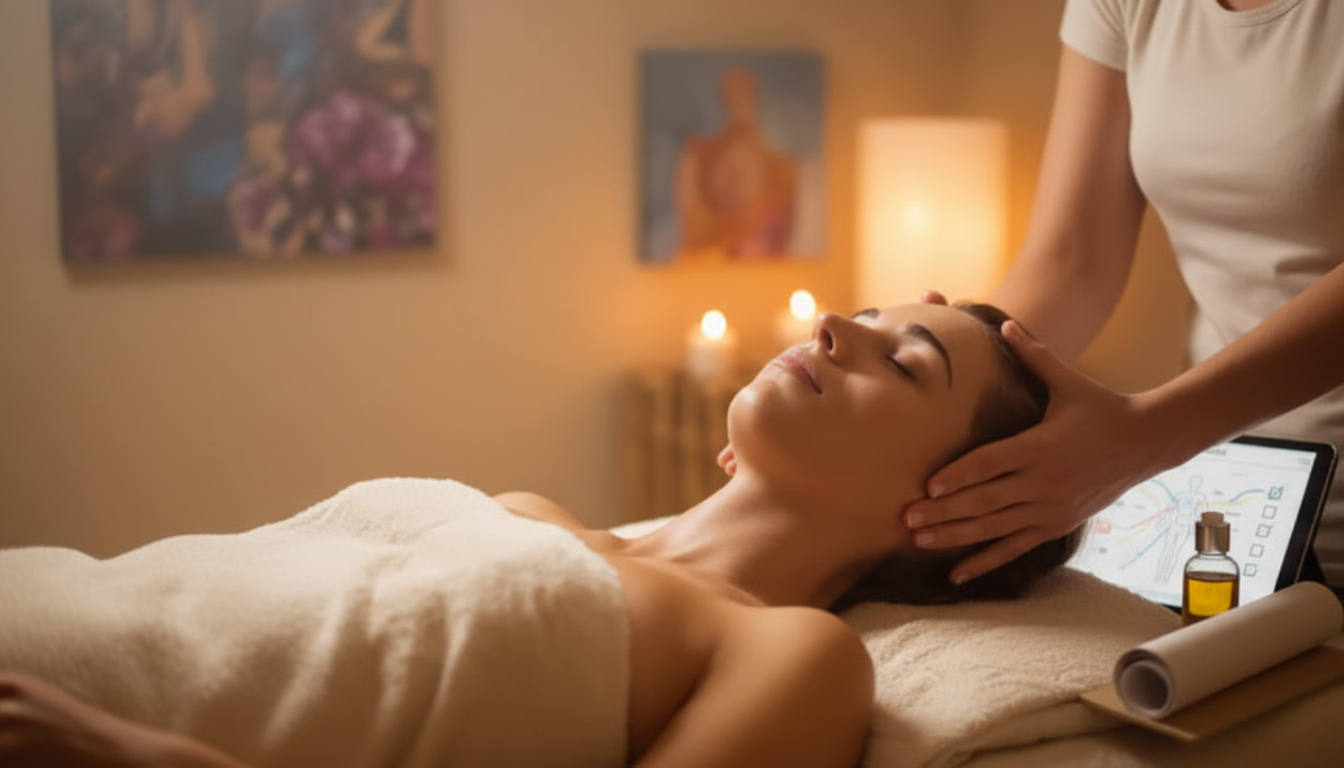
The Art of Relaxation Massage: A Digital Guide to Calm, Comfort, and Smarter Self-Care
Relaxation massage is less about intensity and more about safety, steady rhythm, and nervous-system downshifting. When touch is slow, predictable, and comfortable to breathe through, the body often shifts out of “bracing” and into a calmer state. A structured approach—simple techniques, a short setup checklist, and optional AI-assisted planning—can turn occasional tension relief into a consistent routine that’s easy to repeat on busy days.
For a step-by-step framework you can reuse, The Art of Relaxation Massage digital guide, eBook, and checklist focuses on practical execution: preparing your space, choosing pressure, sequencing common strokes, and tracking what actually helps stress feel more manageable.
What relaxation massage does for stress and tension
Stress doesn’t just live in the mind—it shows up as jaw clenching, shoulder hiking, shallow breathing, and “always on” muscle tone. Relaxation massage supports downshifting by prioritizing comfort over force, which can make it easier to let go of guarding.
- Supports parasympathetic “rest-and-digest” activity through slow, predictable touch and breathing.
- Helps reduce perceived muscle tightness by improving comfort, warmth, and ease of movement.
- Encourages body awareness so early stress signals (jaw tension, lifted shoulders) are caught sooner.
- Pairs well with other calming tools like heat, gentle stretching, or guided breathing.
- Works best as a routine: small sessions done consistently often beat occasional long sessions.
For a quick overview of massage therapy and practical considerations, see the National Center for Complementary and Integrative Health (NCCIH). For how stress affects the body overall, the American Psychological Association (APA) is a helpful reference point.
What’s included in the digital download (guide, eBook, checklist)
A good relaxation massage plan removes guesswork. Instead of wondering what to do next, you follow a repeatable flow that keeps pressure and pacing steady—two of the biggest factors in whether a session feels soothing or overstimulating.
- Technique breakdowns with beginner-friendly cues: pace, pressure, hand positions, and transitions.
- A step-by-step session flow to reduce guesswork (setup → warm-up → focus areas → cool-down).
- A printable or reusable checklist for pre-session comfort and safety (hydration, room temp, tools).
- Stress-relief routines tailored to common patterns: desk shoulders, tension headaches, sleep wind-down.
- Lightweight tracking prompts to log what changed (tightness rating, mood, sleep quality, soreness).
- AI-powered wellness prompts to personalize routines responsibly (time available, areas of tension, preferred pressure).
If aromatherapy is part of your wind-down ritual, pairing massage with a calming scent can feel especially grounding. For a deeper dive, Essential oils guide for easing stress and anxiety complements a relaxation routine with practical suggestions for stress-friendly options and usage basics.
Set the stage: a 5-minute preparation that makes techniques work better
Relaxation massage is easier when the body feels safe and supported. A few small setup choices can prevent muscle guarding (the subtle “holding” that makes pressure feel sharper than it needs to).
- Environment: dim lighting, comfortable temperature, minimal noise; consider a soft towel or blanket.
- Body positioning: neutral spine support (pillow under knees for back-lying; under ankles for stomach-lying).
- Lubrication choices: use a small amount to avoid slipping; patch-test if using scented products.
- Tools (optional): tennis/lacrosse ball for pressure control, foam roller for large muscle groups, heat pack.
- Consent and communication (partner work): agree on boundaries, a pressure scale (1–10), and a clear stop signal.
- Timing: aim for 10–20 minutes; end with 1–2 minutes of stillness to lock in relaxation.
Quick setup checklist before a relaxation massage session
| Item | Goal | Quick test |
|---|---|---|
| Room temperature | Prevent chills that increase muscle guarding | Comfortable in light clothing without shivering |
| Support pillows/towels | Reduce strain on low back, neck, and shoulders | No pinching, numbness, or head tilt |
| Pressure scale agreed | Keep touch relaxing, not bracing | “6/10” feels effective but easy to breathe through |
| Timer set | Avoid rushing or overworking one spot | A clear end point (10–20 minutes) |
| Water nearby | Support post-session comfort | A few sips available after finishing |
Core techniques: slow strokes, steady pressure, and safe angles
Relaxation techniques are simple, but details matter: broad contact, slower pace than you think you need, and pressure that stays in the “pleasant” range. If you’re self-massaging, consider using your body weight rather than pushing hard with small joints like thumbs.
For a general medical overview of massage therapy and common uses, the Cleveland Clinic is a solid starting point.
A simple 15-minute relaxation flow (self-massage or partner massage)
Using AI-powered wellness prompts without overcomplicating it
When to skip massage or get professional guidance
FAQ
How long should a relaxation massage session be for stress relief?
Ten to 20 minutes is long enough to downshift without turning the session into another task. Short daily sessions often feel more sustainable than occasional long ones, especially if you end with slow gliding strokes and a minute of stillness.
Is it normal to feel sore after a relaxation massage?
Mild tenderness can happen, but a relaxation massage shouldn’t feel painful. If soreness shows up, reduce pressure, shorten friction work, hydrate, and rest; stop and seek guidance if there’s sharp pain, tingling, or numbness.
Can AI help personalize a massage routine safely?
Yes—AI can help with timing, sequencing, reminders to slow down, and simple tracking. Keep pressure comfortably low, avoid medical claims or symptom interpretation, and use professional care for persistent or severe issues.
Recommended for you


Ultra-Soft Microfiber Dishcloths: Absorbent 10-Pack
Jul 15, 2026
Do Anti-Theft Bags Work? Real-World Protection Guide
Jul 16, 2026










Leave a comment