-
Shop
- Adidas
- Advanced Technologies
- Bathroom
- Best-Sellers
- Car Accessories
- Dating & Social Skills
- Digital Resources
- AI & Technology
- AI Skills
- Beauty
- Budgeting & Saving
- Car Buying & Ownership
- Cozy Feast Collection
- Electronics & Technology
- Emotional Intelligence
- Entrepreneurship & Business Growth
- Financial Education
- Financial Independence
- Financial Mindset & Psychology
- Goal Setting
- Home Styling & Organization
- Kitchen & Recipes
- Leadership
- Mindfulness
- Mindset
- Motivation
- Online Business
- Parenting & Child Development
- Personal Style & Fashion
- Pet Lifestyle & Wellness
- Positive Thinking
- Productivity
- Self Confidence
- Sleep Improvement
- Smart Life with AI
- Stress Management & Relaxation
- Travel Planning
- Wellness
- Yoga & Fitness
- Yoga & Mind-Body Practices
- Easter Products
- Education & Learning
- Family & Parenting
- Fashion
- Alexander McQueen
- Bags
- Bags & Wallets
- Balenciaga
- Belts
- Blazers
- Bottega Veneta
- Brunello Cucinelli
- Burberry
- Chanel
- Chloé
- Dior
- Dolce & Gabbana
- Dresses
- Etro
- Fendi
- Gucci
- Hats & Hair Accessories
- Jewelry
- Jil Sander
- Keychains
- Kiton
- Luggage
- Miu Miu
- Off-White
- Outerwear
- Prada
- Rick Owens
- Saint Laurent
- Shoes
- Socks & Tights
- The Row
- Tom Ford
- Valentino
- Valentino Garavani
- Versace
- Vivienne Westwood
- Watches
- Furniture
- Gadgets
- Health & Beauty
- Health & Wellness
- Home & Garden
- Home Electronics
- Kids & Babies
- Kitchen
- Lighting
- Patio, Lawn & Garden
- Personal Growth
- Pet Care
- Pet Supplies
- Pets
- Smart Home Living Guides
- Sport & Outdoors
- Stress Relief & Relaxation
- TikTok Growth & Monetization Mastery
- Travel
- Wealth
- Wealth Building
- Popular
- Best deals
Master Solo Sports: Training, Mindset, and Safety Plan
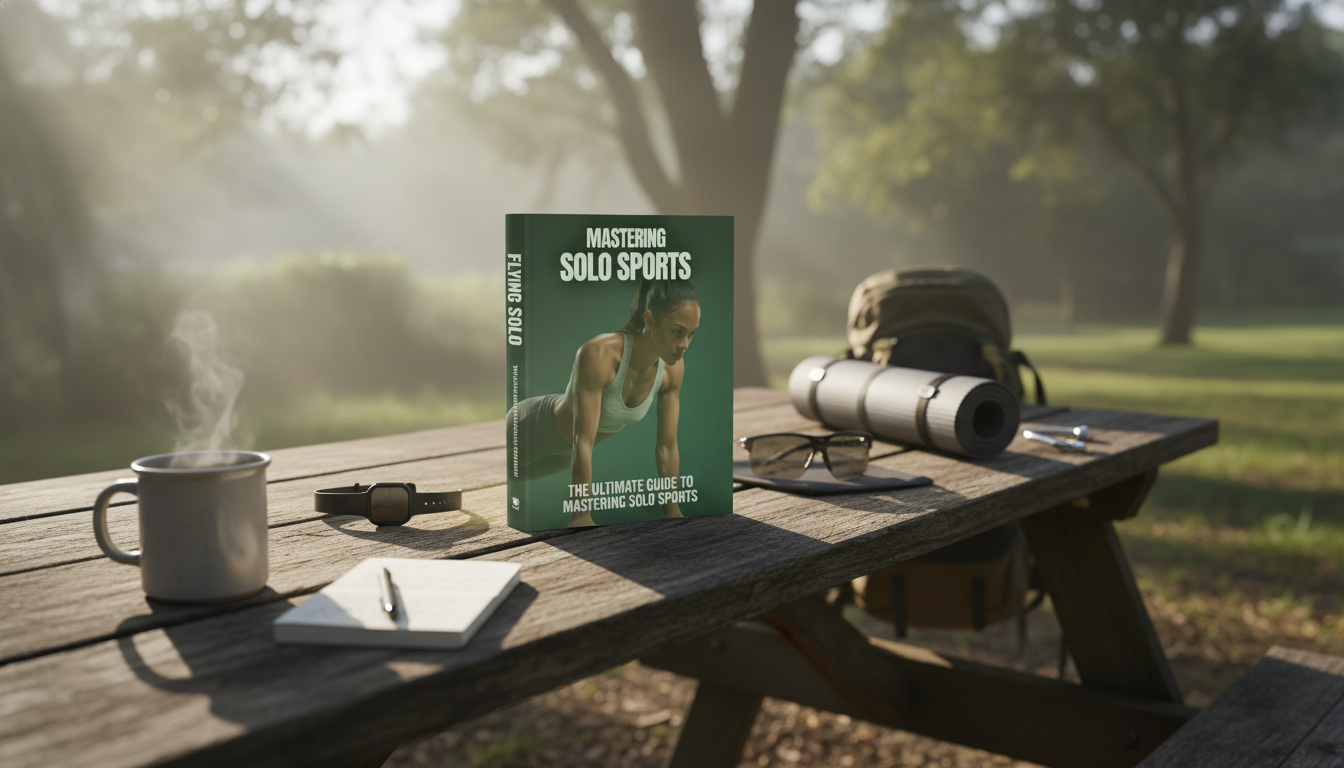
Flying Solo: The Ultimate Guide to Mastering Solo Sports
Solo sports reward independence, focus, and self-direction—but they also demand smart planning, honest self-assessment, and consistent routines. Whether you’re training for a 5K, refining a golf swing, building confidence in the climbing gym, or preparing for a martial arts tournament, success comes from creating structure that holds up when no one is watching. Below are the biggest benefits and trade-offs of competing and training alone, plus practical systems to keep progress steady and safe.
What Counts as a Solo Sport (and Why It Feels Different)
A solo sport is any sport where performance is primarily driven by one athlete—even if coaches, training partners, officials, or other competitors are present. The key point is that your execution and decisions determine the outcome.
Common examples include endurance sports (running, cycling), skill and precision sports (golf, archery), combat sports (boxing, martial arts), outdoor pursuits (climbing, paddling), and many fitness competitions.
What feels different is the concentration of accountability: you own your training plan, pacing, technique adjustments, and mental reset after mistakes. “Solo” also doesn’t mean “isolated.” The most consistent independent athletes build support systems on purpose—then return to their own lane when it’s time to perform.
Pros and Cons for Independent Athletes
Solo sports can sharpen self-awareness quickly. You notice patterns—sleep, stress, nutrition, warm-ups—because there’s nowhere to hide. At the same time, you don’t get automatic energy from teammates, and blind spots can linger if nobody is watching your form.
Solo Sports Benefits and Trade-Offs (and Practical Fixes)
| Factor | Upside | Downside | Best Countermeasure |
|---|---|---|---|
| Scheduling | Train when it fits | Inconsistent routines | Set 2–4 fixed weekly anchor sessions |
| Motivation | Self-driven progress | Harder to start on low-energy days | Use small minimums: 10–15 minute “show up” rule |
| Feedback | More self-reliance | Technique errors can linger | Video review + periodic coaching check-ins |
| Pacing/Strategy | Full control in competition | Decision fatigue and anxiety | Pre-plan pacing, cues, and contingencies |
| Recovery | Personalized rest | Overdoing it unnoticed | Track sleep, soreness, and weekly load; schedule deload weeks |
| Social support | Less drama, more focus | Loneliness/burnout risk | Join a club, group ride/run, or online training cohort |
Autonomy is the superpower. Structure and community-by-design solve most of the downsides.
Choosing the Right Solo Sport for Your Goals
Start with the outcome you want: general fitness, stress relief, competition, outdoor exploration, or skill mastery. Then check the real-world constraints—time windows, facility access, climate, equipment cost, and how steep the learning curve feels.
Risk tolerance matters too. Non-contact sports in controlled environments (like track running or indoor rowing) tend to be easier to scale safely. Technical sports (like climbing or paddling in open water) can be deeply rewarding, but they demand conservative decision-making and stronger safety habits.
Personality fit often predicts consistency: if you enjoy repetition and rhythm, endurance sports may click; if you like tinkering and fine-tuning, precision sports can be satisfying. A practical approach is a 2–3 week “mini-block” trial with simple metrics: consistency (did you show up?), enjoyment (did you want to go again?), soreness (did it stay manageable?), and progress (one measurable improvement).
Building a Simple Training System That Works When No One Is Watching
Solo athletes improve fastest with a clear goal and a simple, repeatable process. Set a 12–16 week “North Star” goal (a race, a skill benchmark, a grading level, a personal best), then add a weekly process goal (sessions completed, minutes trained, or technique reps).
Use a “3-layer plan” so life doesn’t derail you:
- Layer 1 (non-negotiable): the 2–4 sessions that move the needle.
- Layer 2 (optional add-ons): accessories like extra easy mileage, mobility, or drills.
- Layer 3 (recovery default): what you do when busy—short walk, light spin, or full rest.
Make each session specific: warm-up, main set, a small skill focus, cooldown, and one sentence on what improved. Keep tracking lightweight—date, duration, effort (RPE 1–10), and one technical cue. Progress gradually, and avoid stacking hard days back-to-back unless there’s a clear reason.
Motivation, Mindset, and Confidence for Solo Competition
Safety and Longevity: Avoiding the Common Solo Pitfalls
Longevity comes from boring basics done consistently: rotate intensities, include strength and mobility, prioritize sleep, and fuel enough to recover. Public health guidelines support regular movement for overall health; see the CDC’s physical activity basics and the WHO physical activity overview for general recommendations.
Creating Community Without Losing Independence
A Practical Weekly Template to Start This Month
Recommended Guides to Support Solo Training
- Flying Solo: The Ultimate Guide to Mastering Solo Sports | A Practical Guide Exploring Solo Sports Pros and Cons for Independent Athletes
- Motivation Magic: Your Easy-Do Checklist to Spark Drive & Get Stuff Done – Digital Guide on How to Motivate Someone Who Doesn’t Want to Work
- Social Confidence in Any Situation | Printable Checklist for Self-Assurance and Communication Skills | Learn how to feel confident in social situations | Digital Download for Everyday Conversations and Networking
FAQ
Are solo sports better than team sports?
It depends on your goals and personality. Solo sports emphasize autonomy and self-paced improvement, while team sports offer built-in social support and shared strategy; many athletes benefit from mixing both across the year.
How do solo athletes stay motivated without teammates?
Fixed weekly anchor sessions, a small “show up” minimum, and simple tracking keep momentum on low-energy days. Adding light accountability—like a weekly check-in or a group workout—can boost consistency without sacrificing independence.
How often should a solo athlete take rest days?
Most recreational athletes do well with at least 1–2 rest days per week, adjusted by training load and recovery markers. Deload weeks every 3–6 weeks can also help, especially when intensity is high.
















Leave a comment