-
Shop
- Adidas
- Advanced Technologies
- Bathroom
- Best-Sellers
- Car Accessories
- Dating & Social Skills
- Digital Resources
- AI & Technology
- AI Skills
- Beauty
- Budgeting & Saving
- Car Buying & Ownership
- Cozy Feast Collection
- Electronics & Technology
- Emotional Intelligence
- Entrepreneurship & Business Growth
- Financial Education
- Financial Independence
- Financial Mindset & Psychology
- Goal Setting
- Home Styling & Organization
- Kitchen & Recipes
- Leadership
- Mindfulness
- Mindset
- Motivation
- Online Business
- Parenting & Child Development
- Personal Style & Fashion
- Pet Lifestyle & Wellness
- Positive Thinking
- Productivity
- Self Confidence
- Sleep Improvement
- Smart Life with AI
- Stress Management & Relaxation
- Travel Planning
- Wellness
- Yoga & Fitness
- Yoga & Mind-Body Practices
- Easter Products
- Education & Learning
- Family & Parenting
- Fashion
- Alexander McQueen
- Bags
- Bags & Wallets
- Balenciaga
- Belts
- Blazers
- Bottega Veneta
- Brunello Cucinelli
- Burberry
- Chanel
- Chloé
- Dior
- Dolce & Gabbana
- Dresses
- Etro
- Fendi
- Gucci
- Hats & Hair Accessories
- Jewelry
- Jil Sander
- Keychains
- Kiton
- Luggage
- Miu Miu
- Off-White
- Outerwear
- Prada
- Rick Owens
- Saint Laurent
- Shoes
- Socks & Tights
- The Row
- Tom Ford
- Valentino
- Valentino Garavani
- Versace
- Vivienne Westwood
- Watches
- Furniture
- Gadgets
- Health & Beauty
- Health & Wellness
- Home & Garden
- Home Electronics
- Kids & Babies
- Kitchen
- Lighting
- Patio, Lawn & Garden
- Personal Growth
- Pet Care
- Pet Supplies
- Pets
- Smart Home Living Guides
- Sport & Outdoors
- Stress Relief & Relaxation
- TikTok Growth & Monetization Mastery
- Travel
- Wealth
- Wealth Building
- Popular
- Best deals
Korean Ceramic Drum Pot Guide: Stews, Safety & Care
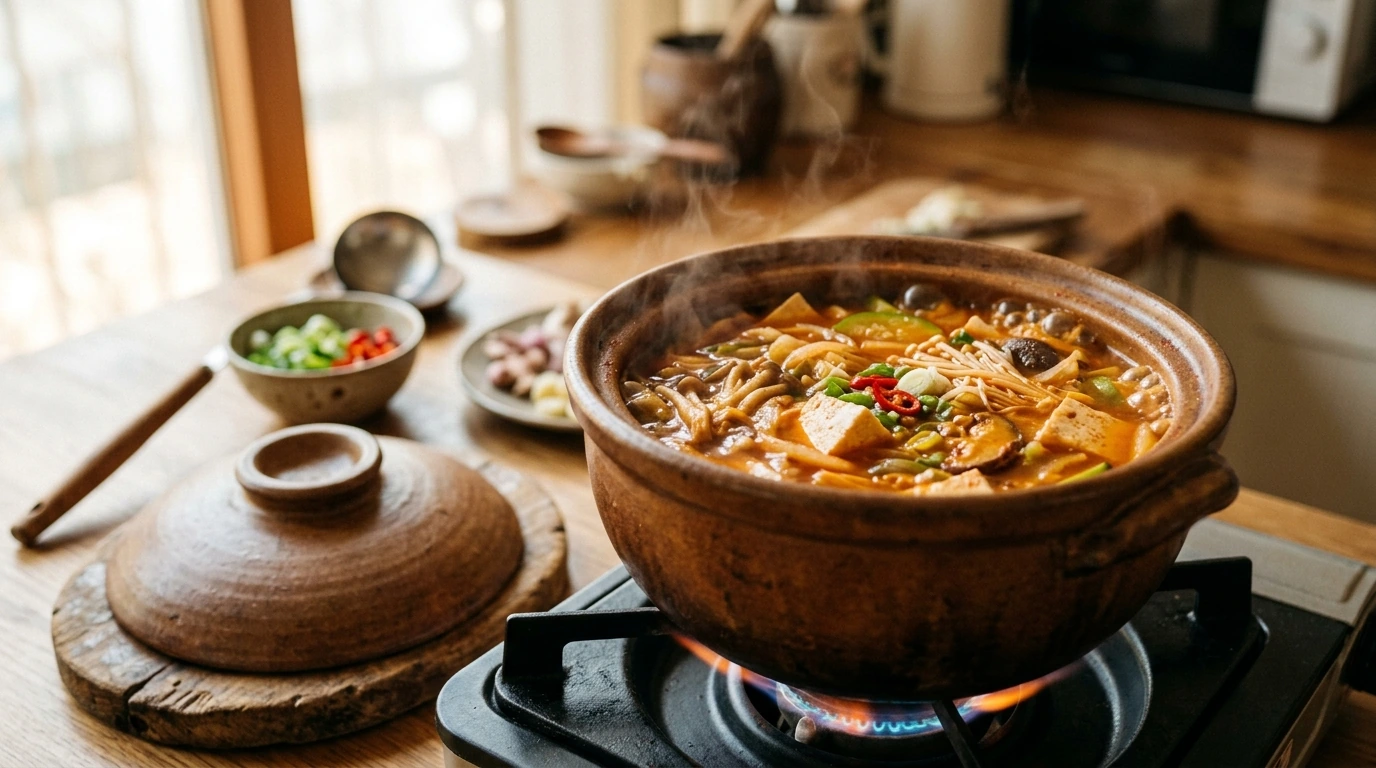
A drum-shaped Korean ceramic casserole pot brings gentle, even heat to stews, soups, and braises while keeping the table presentation warm and inviting. This guide covers what makes this style of clay pan different, how to use it safely, and how to get the best flavor and texture from slow-simmered meals. For more guidance, see Small Steam Soup Bowl For Egg Custard, Birds Nest, Medicinal ….
What Makes a Korean Ceramic Drum Pot Different
The “drum” profile isn’t just for looks. The rounded, taller sides help heat travel upward and around the food, encouraging a steady simmer rather than an aggressive boil. That matters for soup-based dishes where clarity, tenderness, and controlled bubbling make a noticeable difference. For further reading, see the studio.
- Drum-style body: helps circulate heat around the sides for steady simmering.
- Ceramic/clay construction: retains heat well so dishes stay hot longer after cooking.
- Made for liquid-forward meals: ideal for jjigae-style stews, broth soups, braised tofu, short ribs, and noodle soups.
- Table-to-stove appeal: designed to be presentable for serving right at the table.
If you like the “keep it gently bubbling while everyone eats” style of cooking, this pot’s heat-holding nature is a major upgrade over thin metal pans that cool down quickly once off the burner.
Best Uses: Stew, Soup, Braise, and One-Pot Comfort Foods
This pot shines when food needs time: time to soften aromatics, time to tenderize proteins, and time for broth to pick up depth. Because the walls hold heat, the simmer stays stable—especially helpful when ingredients are added in stages.
- Stews: kimchi stew, doenjang-style bean paste stew, seafood tofu stew; maintains a steady bubbling simmer.
- Soups and broths: bone broth, chicken ginseng-style soup, mushroom soups; helps keep broth hot while serving.
- Braises: soy-braised potatoes, short rib-style braises; consistent heat helps prevent scorching when monitored properly.
- Porridge and congee: gentle heat supports creamy texture without constant high heat.
Dish Ideas and Why This Pot Works Well
| Dish type | Why it suits ceramic/clay | Helpful tip |
|---|---|---|
| Korean-style stew | Retains heat for a lively simmer | Start on low heat and increase gradually |
| Clear soup/broth | Keeps serving temperature stable | Avoid rapid boil to keep broth clear |
| Braise | Even side-wall heating reduces hot spots | Stir occasionally and keep liquid above the bottom |
| Porridge | Gentle heat helps creamy texture | Use low heat and stir near the end |
Heat, Flavor, and Texture: What to Expect
Cooking in ceramic feels different from cooking in metal. The pot takes longer to warm up, but once it’s hot, it stays hot—helpful for maintaining a calm, consistent simmer that builds flavor over time.
- Deeper flavor development: steady simmering supports better broth concentration and more integrated seasoning.
- Less temperature swing: ceramic’s thermal mass helps stabilize heat when adding tofu, vegetables, or noodles.
- Tender textures: consistent bubbling helps proteins soften without being battered by a hard boil.
- Longer preheat and cool-down: plan for a few extra minutes versus a thin stainless pan.
For many cooks, the biggest payoff is the eating experience: soup stays hot in the bowl longer, and stew remains pleasantly simmering without needing high burner settings.
How to Use It Safely (Thermal Shock Basics)
Ceramic and clay cookware can last a long time, but they don’t like sudden temperature changes. Most cracking issues come from thermal shock—rapid hot-to-cold swings that stress the material.
- Avoid abrupt changes: don’t move a hot pot to a cold countertop, and don’t add ice-cold liquid to a very hot pot.
- Preheat gradually: start on low heat for several minutes, then increase to reach a simmer.
- Consider a diffuser: on gas ranges with concentrated flames, a heat diffuser can reduce harsh hot spots.
- Handle as “still hot” for longer: ceramic retains heat; use mitts and set the pot on a trivet.
Also keep food-safety basics in mind when serving at the table: hot foods should stay hot, and leftovers should be cooled and stored promptly. For a quick refresher on storage and leftovers, see Cleveland Clinic’s food safety guidance at https://health.clevelandclinic.org/food-safety/.
Seasoning, Cleaning, and Care for Long-Term Performance
A little routine care goes a long way. The goal is simple: keep the pot dry between uses, avoid abrasives, and use gentle heat transitions during cooking.
Eco-Friendly Angle: Practical Longevity and Low-Waste Cooking
Featured Picks (In Stock)
- Korean Ceramic Drum Casserole Pot – Eco-Friendly Clay Stew & Soup Pan
- How Essential Oils Can Ease Stress and Anxiety | Relaxation eBook Guide for Natural Stress Relief, Aromatherapy, and Anxiety Support
Korean Ceramic Drum Casserole Pot – At-a-Glance
Product Snapshot
| Detail | Value |
|---|---|
| Product | Korean Ceramic Drum Casserole Pot – Eco-Friendly Clay Stew & Soup Pan |
| Price | 175.51 USD |
| Availability | In stock |
| Primary use | Stew, soup, braise, one-pot meals |
FAQ
Can a ceramic clay stew pot go on direct heat?
Many ceramic/clay stew pots are stovetop-safe, but they typically require gradual heating and low-to-medium burner settings. Avoid heating the pot empty, and consider a heat diffuser if your gas flame is concentrated; always follow the care instructions for your specific pot.
How do you prevent cracking from thermal shock?
Avoid sudden hot-to-cold changes by warming the pot gradually, not adding cold liquid to a very hot pot, and letting it cool before washing. Set the hot pot on a trivet (not a cold surface) and handle it gently when moving it.
What’s the best way to clean and remove lingering stew odors?
Let the pot cool completely, then wash with warm water and a gentle sponge without abrasives. For odors, simmer water with a little baking soda, rinse thoroughly, and dry fully before storing to prevent smells from lingering.
Recommended for you

Room-by-Room Dog-Proofing Checklist for New Owners
Aug 13, 2026












Leave a comment