-
Shop
- Adidas
- Advanced Technologies
- Bathroom
- Best-Sellers
- Car Accessories
- Dating & Social Skills
- Digital Resources
- AI & Technology
- AI Skills
- Beauty
- Budgeting & Saving
- Car Buying & Ownership
- Cozy Feast Collection
- Electronics & Technology
- Emotional Intelligence
- Entrepreneurship & Business Growth
- Financial Education
- Financial Independence
- Financial Mindset & Psychology
- Goal Setting
- Home Styling & Organization
- Kitchen & Recipes
- Leadership
- Mindfulness
- Mindset
- Motivation
- Online Business
- Parenting & Child Development
- Personal Style & Fashion
- Pet Lifestyle & Wellness
- Positive Thinking
- Productivity
- Self Confidence
- Sleep Improvement
- Smart Life with AI
- Stress Management & Relaxation
- Travel Planning
- Wellness
- Yoga & Fitness
- Yoga & Mind-Body Practices
- Easter Products
- Education & Learning
- Family & Parenting
- Fashion
- Alexander McQueen
- Bags
- Bags & Wallets
- Balenciaga
- Belts
- Blazers
- Bottega Veneta
- Brunello Cucinelli
- Burberry
- Chanel
- Chloé
- Dior
- Dolce & Gabbana
- Dresses
- Etro
- Fendi
- Gucci
- Hats & Hair Accessories
- Jewelry
- Jil Sander
- Keychains
- Kiton
- Luggage
- Miu Miu
- Off-White
- Outerwear
- Prada
- Rick Owens
- Saint Laurent
- Shoes
- Socks & Tights
- The Row
- Tom Ford
- Valentino
- Valentino Garavani
- Versace
- Vivienne Westwood
- Watches
- Furniture
- Gadgets
- Health & Beauty
- Health & Wellness
- Home & Garden
- Home Electronics
- Kids & Babies
- Kitchen
- Lighting
- Patio, Lawn & Garden
- Personal Growth
- Pet Care
- Pet Supplies
- Pets
- Smart Home Living Guides
- Sport & Outdoors
- Stress Relief & Relaxation
- TikTok Growth & Monetization Mastery
- Travel
- Wealth
- Wealth Building
- Popular
- Best deals
Debt Payoff Budget Checklist: Weekly Plan That Works
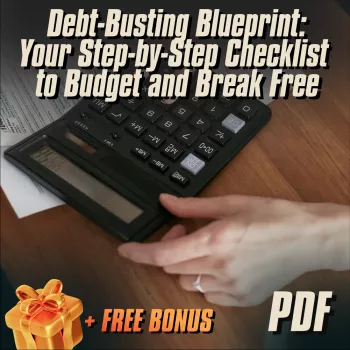
Debt-Busting Blueprint: A Step-by-Step Budget Checklist to Start Paying Off Debt
A simple, repeatable plan makes it easier to see where money is going, choose a payoff strategy, and stay consistent. This checklist-style budget routine is built to turn scattered money decisions into a clear weekly and monthly cadence—so debt payoff becomes measurable, realistic, and easier to stick with even when life gets busy.
What this blueprint helps you do (and who it’s for)
This approach is designed for real-life budgeting—where income dates, due dates, and everyday spending don’t always line up neatly.
- Turn income, bills, and spending into a clear plan that fits real life
- Build a system for tracking due dates, minimum payments, and progress
- Reduce overwhelm by using short checklists instead of complex spreadsheets
- Works well for credit cards, personal loans, medical debt, and mixed balances
- Useful for beginners who need structure and for planners who want a faster routine
If you want a ready-to-use format you can reuse each month, the Debt-Busting Blueprint instant digital download is built around the same checklist logic: monthly setup + quick weekly check-ins + a simple debt dashboard.
Set the foundation: numbers to gather before budgeting
Budgets fall apart when they’re built on guesses. Before setting limits, collect the handful of numbers that make your plan accurate.
- Income: pay schedule, average take-home, and any irregular income
- Bills: rent/mortgage, utilities, insurance, subscriptions, childcare, transportation
- Debt list: balance, interest rate, minimum payment, due date for each account
- Spending: last 30–60 days of transactions to spot trends and leaks
- Goals: the next 30 days (stability) and the next 6–12 months (payoff milestones)
Quick-start prep checklist
| Category | What to write down | Where to find it |
|---|---|---|
| Income | Pay dates + take-home amounts | Pay stubs / bank deposits |
| Fixed bills | Amount + due date | Statements / billing portals |
| Debt accounts | Balance, APR, minimum, due date | Statements / lender apps |
| Variable spending | Average monthly totals | Bank/credit card history |
| Savings needs | Starter cushion target | Budget goal (e.g., $500–$1,000) |
For additional budgeting tools and templates, the CFPB has practical resources worth bookmarking: Consumer Financial Protection Bureau (CFPB) — Budgeting resources.
Build a budget that actually works: a step-by-step checklist
Instead of trying to “be perfect,” use a sequence that prevents late fees, covers essentials, and makes extra debt payments predictable.
- Step 1: List all required expenses first (housing, utilities, transportation, food basics).
- Step 2: Schedule due dates against paydays to avoid late fees and accidental overdrafts.
- Step 3: Assign every dollar a job: bills, necessities, minimum debt payments, and a small buffer.
- Step 4: Set realistic variable limits (groceries, gas, personal spending) based on past data.
- Step 5: Create a weekly check-in: 10 minutes to review categories and upcoming bills.
- Step 6: Add a “pause list” for non-essentials to reduce impulse spending without feeling deprived.
A helpful way to make Step 2 easier is to create a mini “cash-flow map” for each pay period: list what must be paid before the next paycheck, then decide what’s left for groceries, gas, and your extra debt payment. This keeps the plan realistic even when bills cluster early in the month.
Choose a debt payoff strategy and stick with it
Progress comes from consistency, not constant switching. Pick a plan you can follow for at least 90 days.
Common payoff approaches
| Method | How it works | Best for | Watch-outs |
|---|---|---|---|
| Debt snowball | Pay extra on smallest balance first; roll payments to the next | Motivation and quick wins | May cost more interest overall |
| Debt avalanche | Pay extra on highest interest rate first; roll payments down | Saving money on interest | Wins can feel slower at the start |
| Hybrid | Start with one small win, then switch to highest APR | Both momentum and math | Requires a clear rule to avoid switching too often |
If you want more consumer-focused guidance on getting out of debt (including avoiding common traps), the FTC overview is a solid reference: Federal Trade Commission (FTC) — Getting out of debt.
Make the plan easier: ways to find extra money without burnout
Stress can quietly sabotage good money decisions. If winding down is part of staying consistent, the How Essential Oils Can Ease Stress and Anxiety eBook Guide can complement your routine with simple relaxation ideas—especially during tight months when willpower gets stretched.
How to use an instant digital checklist (print or digital)
For a focused, lightweight setup, the Debt-Busting Blueprint instant digital download is designed to be reused month after month without rebuilding your plan from scratch.
Common budgeting pitfalls (and simple fixes)
A simple 7-day start plan
If a vehicle-related expense is weighing down your budget and you’re exploring options, the Turn an Old Car Into a Smart Tax Move checklist can help you understand the steps for donating a car and documenting it properly.
FAQ
What’s the best budgeting method for paying off debt?
The best method is the one you can repeat consistently: cover required expenses, pay minimums on every debt, keep a small buffer, then send extra money to one target balance. Snowball works well for fast motivation, while avalanche tends to save more on interest.
Should a small emergency fund come before aggressive debt payoff?
A starter cushion often helps prevent new credit card debt when surprises hit. A practical order is: pay all minimums, build a small buffer, then increase extra payments as your cash flow stabilizes.
How often should a budget be reviewed to stay on track?
A weekly 10-minute check-in plus a monthly reset is enough for most households. Small, frequent adjustments reduce late fees, keep spending from drifting, and make debt payoff steadier.
Recommended for you

Best Makeup Brush for Highlighter: Tapered vs Fan
Jul 21, 2026
Housing Market ETFs: A Toolkit to Compare and Buy
Jul 22, 2026













Leave a comment