-
Shop
- Adidas
- Advanced Technologies
- Bathroom
- Best-Sellers
- Car Accessories
- Dating & Social Skills
- Digital Resources
- AI & Technology
- AI Skills
- Beauty
- Budgeting & Saving
- Car Buying & Ownership
- Cozy Feast Collection
- Electronics & Technology
- Emotional Intelligence
- Entrepreneurship & Business Growth
- Financial Education
- Financial Independence
- Financial Mindset & Psychology
- Goal Setting
- Home Styling & Organization
- Kitchen & Recipes
- Leadership
- Mindfulness
- Mindset
- Motivation
- Online Business
- Parenting & Child Development
- Personal Style & Fashion
- Pet Lifestyle & Wellness
- Positive Thinking
- Productivity
- Self Confidence
- Sleep Improvement
- Smart Life with AI
- Stress Management & Relaxation
- Travel Planning
- Wellness
- Yoga & Fitness
- Yoga & Mind-Body Practices
- Easter Products
- Education & Learning
- Family & Parenting
- Fashion
- Alexander McQueen
- Bags
- Bags & Wallets
- Balenciaga
- Belts
- Blazers
- Bottega Veneta
- Brunello Cucinelli
- Burberry
- Chanel
- Chloé
- Dior
- Dolce & Gabbana
- Dresses
- Etro
- Fendi
- Gucci
- Hats & Hair Accessories
- Jewelry
- Jil Sander
- Keychains
- Kiton
- Luggage
- Miu Miu
- Off-White
- Outerwear
- Prada
- Rick Owens
- Saint Laurent
- Shoes
- Socks & Tights
- The Row
- Tom Ford
- Valentino
- Valentino Garavani
- Versace
- Vivienne Westwood
- Watches
- Furniture
- Gadgets
- Health & Beauty
- Health & Wellness
- Home & Garden
- Home Electronics
- Kids & Babies
- Kitchen
- Lighting
- Patio, Lawn & Garden
- Personal Growth
- Pet Care
- Pet Supplies
- Pets
- Smart Home Living Guides
- Sport & Outdoors
- Stress Relief & Relaxation
- TikTok Growth & Monetization Mastery
- Travel
- Wealth
- Wealth Building
- Popular
- Best deals
Clean Living Made Easy: 10-Min Reset + AI Planner
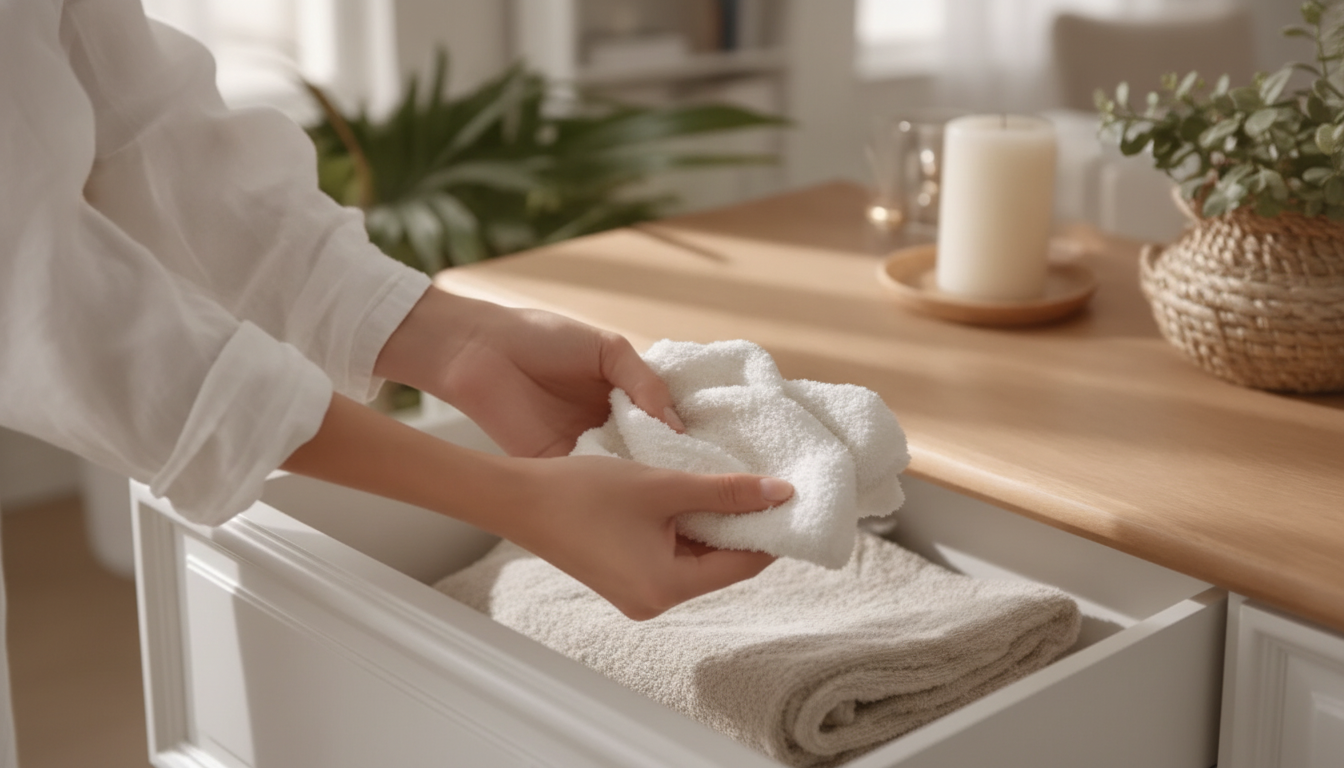
Clean Living Made Easy: a calmer home through small systems
A tidy home rarely comes from motivation alone—it comes from simple systems that reduce decisions and keep chores small. A digital guide paired with a daily checklist and an AI-driven plan can turn cleaning into short, repeatable routines that fit real schedules, energy levels, and household sizes. The goal isn’t perfection; it’s a home that “resets” quickly so you can spend less time reacting and more time living.
For health-minded cleaning, it also helps to separate “cleaning” (removing dirt) from “disinfecting” (killing germs). For practical, science-based guidance on when disinfecting matters most, reference the CDC’s cleaning and disinfecting guidance, and for overall home comfort and freshness, the EPA’s indoor air quality resources.
What “clean living” looks like in daily life
- A home that resets quickly: surfaces stay mostly clear, laundry is contained, dishes are managed, and floors happen on a predictable rhythm.
- Less deep-clean panic: instead of one overwhelming Saturday, tasks are spread across the week in small time blocks.
- Habits and flows over perfection: entryway, kitchen, and bathroom routines prevent clutter from “spreading.”
- A plan that adapts: busy days, low-energy days, and surprise messes are built into the system—without guilt.
What’s inside the Clean Living Made Easy digital kit
If you like structure but don’t want a rigid schedule, the Clean Living Made Easy | Digital Cleaning Guide, Daily Routine Checklist & AI Cleaning Planner for a Tidy, Organized Home is designed to make “what should I do next?” disappear.
- Digital cleaning guide: clear guidance on what to do, when to do it, and how to keep each task manageable.
- Daily routine checklist: a repeatable “baseline tidy” that reduces decision fatigue.
- AI cleaning planner: a realistic schedule based on priorities, time available, and home zones.
- Built for repeat use: copy the checklist, reuse weekly templates, and adjust as household routines change.
Set up the system in 20 minutes
A cleaning system works best when it protects a few high-impact areas and keeps the rest on rotation. Here’s a fast setup that doesn’t require a total home overhaul.
- Pick 3 “always” areas to protect daily: commonly the kitchen sink, bathroom counter, and living room floor zone.
- Choose a realistic daily time cap: 10, 15, or 20 minutes. Treat that cap as the default, not the “minimum you failed to exceed.”
- Assign simple zones: kitchen, bathrooms, bedrooms, living areas, entryway, laundry.
- List your friction points: overflowing mail, shoe pile, laundry bottleneck—then attach one small action to each (one tray, one hook, one hamper, one bin).
- Use the AI planner to distribute weekly tasks: so no single day becomes a marathon.
Daily routine checklist: the minimum that keeps everything under control
Think of the daily routine as a “home reset,” not a full clean. When the basics happen consistently, deep cleaning becomes an occasional add-on instead of a crisis.
Simple daily flow
- Morning (3–7 minutes): make beds, quick bathroom reset, collect cups/plates.
- Midday (optional 2–5 minutes): start one laundry load or fold a small batch, clear one hot spot.
- Evening (8–12 minutes): dishes and sink reset, wipe key counters, 5-minute pickup, trash check.
- Anchor habit: “close the kitchen” so you wake up to a calmer start.
| Time block | Task | Target time | Notes |
|---|---|---|---|
| Morning | Make bed + quick surface clear | 2–3 min | Start with the room that affects mood most |
| Morning | Bathroom mini reset (sink/counter) | 1–2 min | Wipe + put items back in place |
| Evening | Dishes + sink reset | 5–8 min | Run dishwasher or wash the critical items |
| Evening | Counter wipe (kitchen focus) | 2–3 min | Keep one multipurpose cleaner ready |
| Evening | 5-minute pickup (whole home or one zone) | 5 min | Set a timer; stop when it ends |
How the AI cleaning planner helps on real-life weeks
Weekly rhythm that keeps the home consistently tidy
For a straightforward, public-health-aligned baseline, the NHS guide to keeping your home clean offers practical reminders that pair well with a weekly rotation.
Room-by-room shortcuts that make routines faster
Make it stick: motivation-free strategies
If stress makes it harder to start (or stop), creating a calmer atmosphere can help routines feel lighter. The How Essential Oils Can Ease Stress and Anxiety | Relaxation eBook Guide for Natural Stress Relief, Aromatherapy, and Anxiety Support pairs well with evening reset habits—especially if you’re trying to make “close the kitchen” a more soothing wind-down cue.
Clean Living Made Easy digital guide and planner
For a low-cost way to build a repeatable routine without starting from scratch, Clean Living Made Easy combines structure (checklists and zones) with flexibility (AI scheduling that adapts). It’s a practical fit for students, busy parents, professionals, and shared households—especially when you commit to a simple daily reset plus one weekly focus zone.
FAQ
How long should a daily cleaning routine take?
Most households can stay under control with 10–20 minutes a day, as long as the routine hits the high-impact basics (dishes, counters, a quick pickup). On busy days, stick to a “minimum reset,” and only add a bonus task when time and energy allow.
Can an AI cleaning plan work for a messy house or ADHD-friendly routines?
Yes—when tasks are broken into tiny steps, paired with short timers, and focused on visible wins first (like clearing one surface or closing the kitchen). A good plan also reschedules missed tasks so a tough day doesn’t turn into a total reset failure.
What’s the difference between a checklist and a cleaning schedule?
A checklist is the repeatable set of actions you do daily or weekly; a schedule is when those actions happen. The planner bridges the two by assigning tasks to specific days and rotating deeper-clean items so they’re handled gradually.














Leave a comment