-
Shop
- Adidas
- Advanced Technologies
- Bathroom
- Best-Sellers
- Car Accessories
- Dating & Social Skills
- Digital Resources
- AI & Technology
- AI Skills
- Beauty
- Budgeting & Saving
- Car Buying & Ownership
- Cozy Feast Collection
- Electronics & Technology
- Emotional Intelligence
- Entrepreneurship & Business Growth
- Financial Education
- Financial Independence
- Financial Mindset & Psychology
- Goal Setting
- Home Styling & Organization
- Kitchen & Recipes
- Leadership
- Mindfulness
- Mindset
- Motivation
- Online Business
- Parenting & Child Development
- Personal Style & Fashion
- Pet Lifestyle & Wellness
- Positive Thinking
- Productivity
- Self Confidence
- Sleep Improvement
- Smart Life with AI
- Stress Management & Relaxation
- Travel Planning
- Wellness
- Yoga & Fitness
- Yoga & Mind-Body Practices
- Easter Products
- Education & Learning
- Family & Parenting
- Fashion
- Alexander McQueen
- Bags
- Bags & Wallets
- Balenciaga
- Belts
- Blazers
- Bottega Veneta
- Brunello Cucinelli
- Burberry
- Chanel
- Chloé
- Dior
- Dolce & Gabbana
- Dresses
- Etro
- Fendi
- Gucci
- Hats & Hair Accessories
- Jewelry
- Jil Sander
- Keychains
- Kiton
- Luggage
- Miu Miu
- Off-White
- Outerwear
- Prada
- Rick Owens
- Saint Laurent
- Shoes
- Socks & Tights
- The Row
- Tom Ford
- Valentino
- Valentino Garavani
- Versace
- Vivienne Westwood
- Watches
- Furniture
- Gadgets
- Health & Beauty
- Health & Wellness
- Home & Garden
- Home Electronics
- Kids & Babies
- Kitchen
- Lighting
- Patio, Lawn & Garden
- Personal Growth
- Pet Care
- Pet Supplies
- Pets
- Smart Home Living Guides
- Sport & Outdoors
- Stress Relief & Relaxation
- TikTok Growth & Monetization Mastery
- Travel
- Wealth
- Wealth Building
- Popular
- Best deals
AI Content Monitoring for Kids: Safety Plans & Privacy
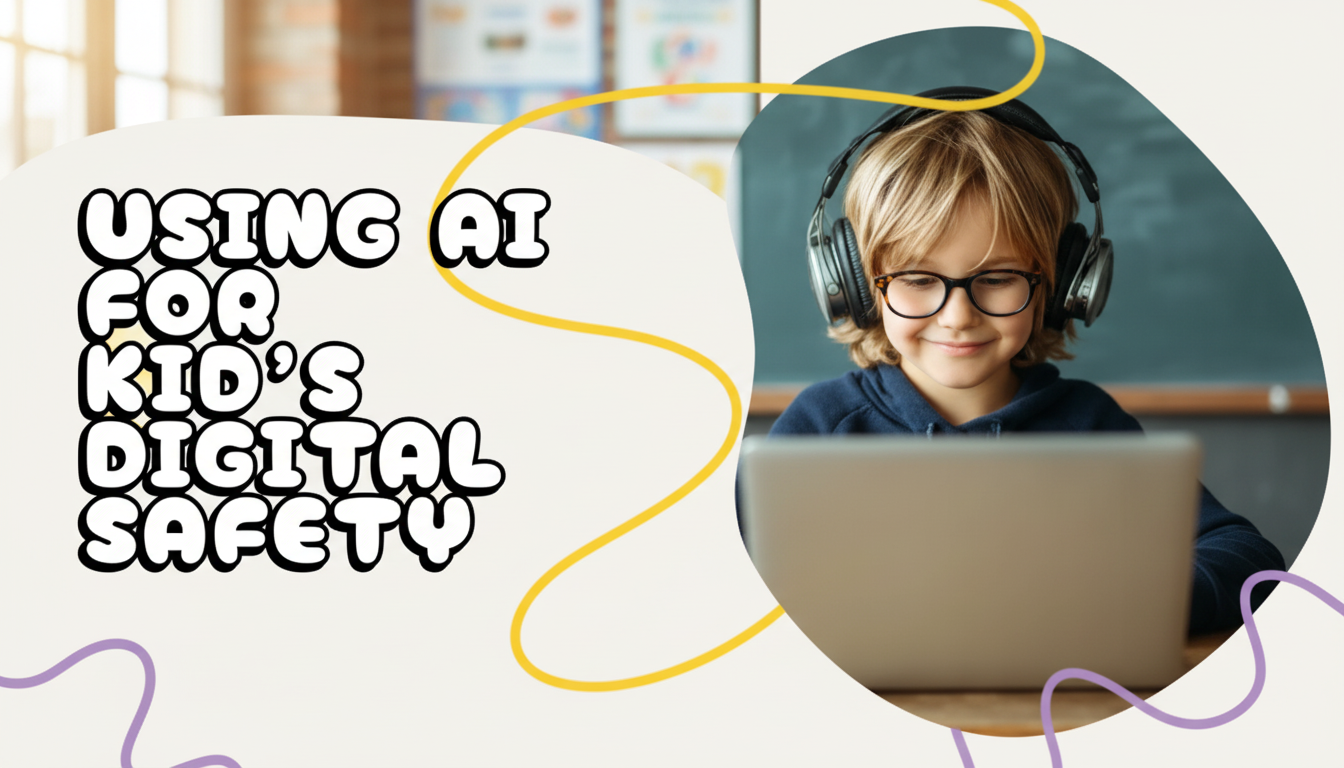
What today’s digital risks look like for kids and teens
Young people can jump from a school Chromebook to a group chat to a multiplayer game in minutes. That speed is convenient—but it also means risky moments can appear and spread before an adult ever notices. A strong safety plan starts with understanding what problems look like now (not five years ago) and where they’re most likely to show up.
- Common risk categories: cyberbullying and harassment, unwanted sexual content, grooming attempts, self-harm or crisis signals, hate speech, scams (including sextortion), and risky “challenge” trends.
- Where risks surface: messaging apps, social media DMs, school accounts, multiplayer games with chat, video platforms, and shared documents.
- Why problems are missed: private channels, disappearing messages, fast-changing slang, and rapid peer-to-peer sharing.
- Age and developmental differences: younger children often need tighter guardrails; teens typically need more autonomy paired with stronger coaching, clearer boundaries, and a reliable crisis pathway.
How AI content monitoring helps (and where it doesn’t)
AI content monitoring is best used as an early-warning layer—helpful for spotting patterns that humans might miss, especially when there are dozens of platforms and constant message volume. The goal isn’t to “catch” kids; it’s to surface higher-risk situations sooner so adults can respond with care.
- Early detection: AI can flag language patterns, images, or repeated interactions linked to bullying, sexual solicitation, coercion, or escalating crisis behavior.
- Consistency across channels: monitoring can apply the same thresholds to approved tools and school-managed accounts, reducing gaps caused by “who happened to see it.”
- Triage, not judgment: AI should prioritize what needs attention first; final decisions should stay with trained adults who can evaluate context.
- Limits to plan for: false positives (sarcasm, quoting lyrics), false negatives (coded language), platform gaps (unenrolled apps), and over-reliance that can reduce direct communication.
- Best outcomes are layered: clear policies, education, reporting pathways, and supportive conversations should always sit alongside technology.
Risk Signals and What to Do Next
| Risk area | Examples of AI-detectable signals | Recommended adult response |
|---|---|---|
| Cyberbullying | Repeated insults, threats, exclusion language, targeted slurs | Document, check in privately, apply school/house rules, restore safety and support |
| Self-harm or crisis | Hopelessness statements, self-harm references, farewell messages | Use a crisis protocol, notify guardians per policy, connect to counseling/988 resources when appropriate |
| Sexual content/grooming | Sexual requests, age-gap language, coercion, repeated DMs from unknown accounts | Stop contact, preserve evidence, follow safeguarding/reporting procedures, reinforce boundaries and safety skills |
| Hate speech/extremism | Dehumanizing language, violent ideology keywords, targeted group harassment | Escalate per policy, provide restorative/educational response, involve appropriate administrators |
| Scams and exploitation | Requests for money/gift cards, sextortion language, blackmail cues | Secure accounts, report to platform, educate on scams, involve authorities when required |
A layered safety plan for parents and caregivers
At home, the most effective safety plans combine practical boundaries with predictable support. Kids share more when they’re confident that telling the truth won’t automatically lead to losing every device or privilege.
- Set non-negotiables: device-free times (sleep, meals), approved apps, strong privacy settings, and a “no secrets with adults online” boundary for younger kids.
- Create a family reporting routine: a weekly check-in helps normalize “Can you help me with this?” before a situation becomes a crisis.
- Use teachable moments: practice responses to real scenarios—pressure to share photos, group chat pile-ons, doxxing risks, and “send me a code” scam attempts.
- Position monitoring as coaching: be specific about what’s monitored, what triggers alerts, and how you’ll use the info to keep them safe (not to shame them).
- Match the stage: for children, tighter controls are normal; for teens, shift toward collaborative guardrails, digital citizenship, and clear escalation steps if safety is at risk.
For a ready-to-use framework that parents and educators can share, see the Harnessing AI to Protect Young Minds digital safety guide (downloadable eBook).
Implementation in classrooms and schools: policies, people, and process
Privacy, consent, and safeguarding boundaries
- Data minimization: collect only what’s necessary and retain it for the shortest period aligned with policy.
- Access controls: restrict alert visibility to trained personnel and log access to sensitive records.
- Student dignity: avoid broad “read everything” practices; prioritize risk-based alerts and limited review with clear justification.
- Compliance considerations: understand child privacy rules, including COPPA, and the school privacy contexts that often include FERPA obligations.
- Equity and bias checks: monitor whether certain groups are flagged disproportionately and adjust thresholds, training, and review practices.
Everyday scenarios and scripts that reduce harm
When kids need confidence to speak up, set boundaries, or exit a pressured conversation, the Social Confidence in Any Situation printable checklist can be a practical add-on for home or counseling support.
A ready-to-use digital resource for families, teachers, and school teams
Explore the Harnessing AI to Protect Young Minds digital safety guide (downloadable eBook) for a structured approach you can implement right away.
Compare related options such as Timeless Skin, Simple Steps: Your Essential Anti-Aging Routine Guide for Healthy, Ageless Skin to match features, dimensions, and use case before choosing.
FAQ
Does AI monitoring replace conversations and trust with students?
No. Monitoring works best as an early-warning and triage tool, while trust is built through transparency, clear expectations, and regular check-ins that make it safe to ask for help.
What should a school do when an alert suggests self-harm or crisis?
Use a predefined crisis protocol with rapid human review, involve counselors/administrators immediately, notify guardians according to policy, and connect the student to appropriate crisis resources without delay.
How can privacy be protected while still improving safety?
Limit data collection, restrict who can view alerts, keep retention periods short, communicate clearly with families and students, and focus on risk-based alerts rather than broad, routine surveillance.















Leave a comment