-
Shop
- Adidas
- Advanced Technologies
- Bathroom
- Best-Sellers
- Car Accessories
- Dating & Social Skills
- Digital Resources
- AI & Technology
- AI Skills
- Beauty
- Budgeting & Saving
- Car Buying & Ownership
- Cozy Feast Collection
- Electronics & Technology
- Emotional Intelligence
- Entrepreneurship & Business Growth
- Financial Education
- Financial Independence
- Financial Mindset & Psychology
- Goal Setting
- Home Styling & Organization
- Kitchen & Recipes
- Leadership
- Mindfulness
- Mindset
- Motivation
- Online Business
- Parenting & Child Development
- Personal Style & Fashion
- Pet Lifestyle & Wellness
- Positive Thinking
- Productivity
- Self Confidence
- Sleep Improvement
- Smart Life with AI
- Stress Management & Relaxation
- Travel Planning
- Wellness
- Yoga & Fitness
- Yoga & Mind-Body Practices
- Easter Products
- Education & Learning
- Family & Parenting
- Fashion
- Alexander McQueen
- Bags
- Bags & Wallets
- Balenciaga
- Belts
- Blazers
- Bottega Veneta
- Brunello Cucinelli
- Burberry
- Chanel
- Chloé
- Dior
- Dolce & Gabbana
- Dresses
- Etro
- Fendi
- Gucci
- Hats & Hair Accessories
- Jewelry
- Jil Sander
- Keychains
- Kiton
- Luggage
- Miu Miu
- Off-White
- Outerwear
- Prada
- Rick Owens
- Saint Laurent
- Shoes
- Socks & Tights
- The Row
- Tom Ford
- Valentino
- Valentino Garavani
- Versace
- Vivienne Westwood
- Watches
- Furniture
- Gadgets
- Health & Beauty
- Health & Wellness
- Home & Garden
- Home Electronics
- Kids & Babies
- Kitchen
- Lighting
- Patio, Lawn & Garden
- Personal Growth
- Pet Care
- Pet Supplies
- Pets
- Smart Home Living Guides
- Sport & Outdoors
- Stress Relief & Relaxation
- TikTok Growth & Monetization Mastery
- Travel
- Wealth
- Wealth Building
- Popular
- Best deals
Emergency Fund vs Sinking Fund: Build Both Buckets

Emergency Fund vs Sinking Fund: The Ultimate Guide to Managing Your Money Wisely
Two simple savings buckets can prevent most money surprises from turning into debt. An emergency fund covers the unexpected; a sinking fund covers the expected-but-irregular. Using both creates a calm, repeatable system for bills, goals, and life’s curveballs.
Why two funds beat one big savings account
A single savings account can work, but it often turns into a “miscellaneous” pot—easy to dip into for things that feel urgent in the moment. Splitting savings into two purposes makes the rules clear and keeps progress steady.
- An emergency fund is for sudden, necessary expenses that disrupt normal cash flow (job loss, medical bills, urgent travel, essential home or car repairs).
- A sinking fund is for planned expenses that don’t happen monthly but are predictable (insurance premiums, holidays, annual subscriptions, car tires, gifts).
- Separating the purposes reduces the chance of spending emergency money on non-emergencies and helps avoid credit card dependence.
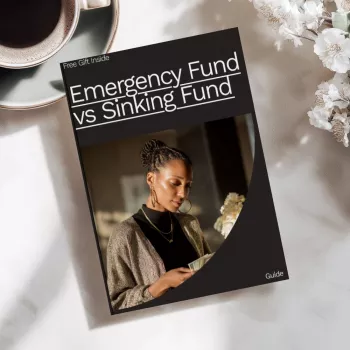
If you want a simple system you can stick with year-round, a dedicated guide can help you set the targets and the rules quickly. The digital guide Emergency Fund vs Sinking Fund: The Ultimate Guide to Managing Your Money Wisely walks through building both buckets step by step.
Emergency fund: what it is (and what it is not)
An emergency fund is your financial shock absorber. It’s there to keep rent paid, lights on, and essentials covered when life knocks your income or your necessary expenses off track.
- Purpose: stability when income drops or a true urgent need appears.
- Not for: routine maintenance, scheduled bills, or purchases that can be delayed without real harm.
- Common emergencies: layoff, reduced work hours, essential medical/dental costs, urgent safety repairs, necessary travel for a family crisis.
- Good default target: 3–6 months of essential expenses; consider more with variable income or a single-income household.
- Start small if needed: a first milestone of $500–$1,000 can cover many common shocks.
Even a modest starter buffer can change decision-making. Instead of reaching for a high-interest card, you can pay the bill, stay current, and rebuild. For additional guidance on getting started, the Consumer Financial Protection Bureau offers practical emergency savings resources at consumerfinance.gov.
Sinking fund: the quiet engine that smooths cash flow
Sinking funds are the “boring” savings that make budgets actually work in real life. They convert predictable, irregular costs into small contributions you can afford monthly.
- Purpose: turn big, irregular expenses into small monthly contributions.
- Typical categories: car maintenance, home repairs, annual fees, property taxes, holiday spending, back-to-school costs, pet care, technology replacement.
- How it works: estimate the cost, set a due date, divide by months remaining, then automate transfers.
- Benefits: fewer “surprise” bills, less stress, and less temptation to raid the emergency fund.
For example, if car tires cost $800 and you expect to buy them in 10 months, your sinking fund contribution is about $80 per month. When the time comes, the cash is already waiting.
Emergency fund vs sinking fund: quick comparison
The easiest rule is this: if the expense was foreseeable and could be planned for, it belongs in a sinking fund. If it’s unexpected, necessary, and urgent, it belongs in the emergency fund.
| Feature | Emergency Fund | Sinking Fund |
|---|---|---|
| Primary purpose | Cover true financial shocks | Prepare for planned irregular expenses |
| Examples | Job loss, urgent medical, essential repairs | Insurance premiums, holidays, car tires, annual subscriptions |
| When to use | Unexpected + necessary + urgent | Expected + time-bound |
| Funding goal | 3–6 months essential expenses (often more for higher risk) | Specific dollar targets per category |
| Where to keep it | High-yield savings or money market; easy access | Savings sub-accounts, buckets, or separate savings accounts |
| Success measure | Avoid debt during emergencies | Irregular bills never disrupt monthly budget |
How much to save: simple starting formulas
If you’re estimating expenses and want a reality check on how many households still struggle with unexpected costs, the Federal Reserve’s annual report on household well-being provides helpful context: Report on the Economic Well-Being of U.S. Households.
Where to keep the money and how to automate it
Wherever you park the cash, make sure it’s protected. For basics on deposit insurance coverage, visit the FDIC at fdic.gov.
Common mistakes that drain savings (and how to avoid them)
If a major car expense is looming—repairs, replacement decisions, or simply reducing the burden of an old vehicle—planning ahead matters. If donating an old car is on your radar, Turn an Old Car Into a Smart Tax Move: A Complete Checklist for Donating Your Car to Charity for a Tax Write-Off can help you organize the documentation and steps.
A step-by-step plan to run both funds smoothly
Money stress often spikes when uncertainty is high. Pairing a clear savings system with healthy coping tools can help you stay consistent. If you’re building calmer routines, How Essential Oils Can Ease Stress and Anxiety is a practical guide for relaxation habits that can support your overall plan.
FAQ
Should an emergency fund be separate from a sinking fund?
Yes—separating by purpose (different accounts or labeled buckets) makes it harder to “borrow” emergency money for planned expenses and keeps the rules for withdrawals clear.
How do savings goals change if income is irregular?
Aim for a larger emergency buffer, base contributions on your average monthly income, and keep early sinking-fund deposits conservative until your income pattern is clear. Recalculate quarterly as your numbers stabilize.
Is a credit card an emergency fund replacement?
No. Credit can help in a pinch, but interest, repayment pressure, and changing limits add risk—cash reserves reduce stress and protect your budget from long-term damage.














Leave a comment