-
Shop
- Adidas
- Advanced Technologies
- Bathroom
- Best-Sellers
- Car Accessories
- Dating & Social Skills
- Digital Resources
- AI & Technology
- AI Skills
- Beauty
- Budgeting & Saving
- Car Buying & Ownership
- Cozy Feast Collection
- Electronics & Technology
- Emotional Intelligence
- Entrepreneurship & Business Growth
- Financial Education
- Financial Independence
- Financial Mindset & Psychology
- Goal Setting
- Home Styling & Organization
- Kitchen & Recipes
- Leadership
- Mindfulness
- Mindset
- Motivation
- Online Business
- Parenting & Child Development
- Personal Style & Fashion
- Pet Lifestyle & Wellness
- Positive Thinking
- Productivity
- Self Confidence
- Sleep Improvement
- Smart Life with AI
- Stress Management & Relaxation
- Travel Planning
- Wellness
- Yoga & Fitness
- Yoga & Mind-Body Practices
- Easter Products
- Education & Learning
- Family & Parenting
- Fashion
- Alexander McQueen
- Bags
- Bags & Wallets
- Balenciaga
- Belts
- Blazers
- Bottega Veneta
- Brunello Cucinelli
- Burberry
- Chanel
- Chloé
- Dior
- Dolce & Gabbana
- Dresses
- Etro
- Fendi
- Gucci
- Hats & Hair Accessories
- Jewelry
- Jil Sander
- Keychains
- Kiton
- Luggage
- Miu Miu
- Off-White
- Outerwear
- Prada
- Rick Owens
- Saint Laurent
- Shoes
- Socks & Tights
- The Row
- Tom Ford
- Valentino
- Valentino Garavani
- Versace
- Vivienne Westwood
- Watches
- Furniture
- Gadgets
- Health & Beauty
- Health & Wellness
- Home & Garden
- Home Electronics
- Kids & Babies
- Kitchen
- Lighting
- Patio, Lawn & Garden
- Personal Growth
- Pet Care
- Pet Supplies
- Pets
- Smart Home Living Guides
- Sport & Outdoors
- Stress Relief & Relaxation
- TikTok Growth & Monetization Mastery
- Travel
- Wealth
- Wealth Building
- Popular
- Best deals
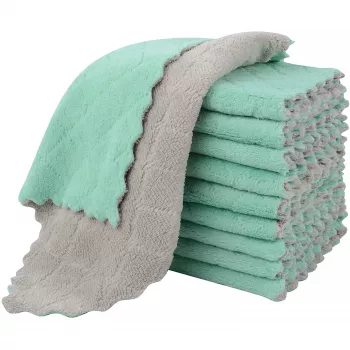
Ultra-Soft Microfiber Dishcloths: Absorbent 10-Pack
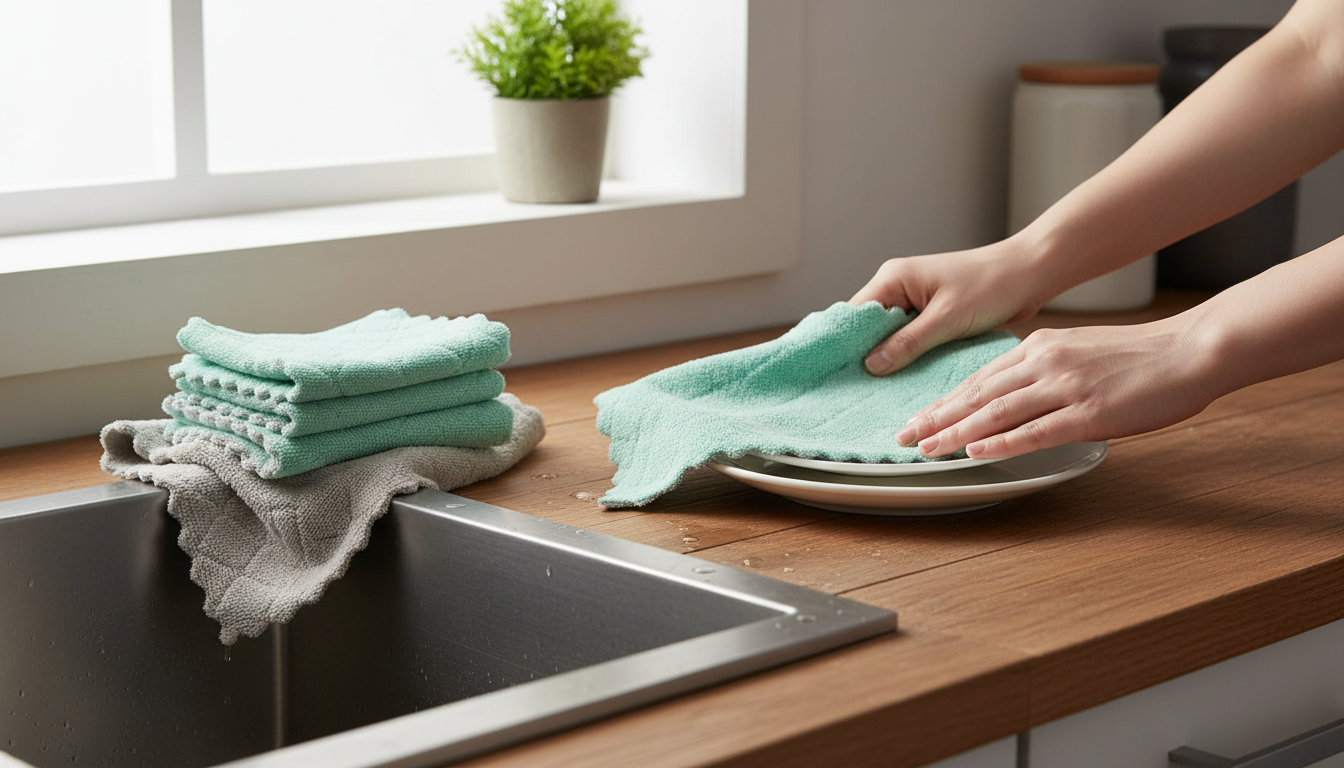
Ultra-Soft Microfiber Dishcloths for Faster, Cleaner Kitchen Reset
A dependable set of dishcloths can streamline everyday cleanup, cut down on paper towel use, and keep counters, dishes, and appliances looking consistently neat. The Ultra-Soft Microfiber Kitchen Dishcloths, Highly Absorbent 10-Pack is built for high absorbency and flexible, day-to-day use—from drying dishes to wiping spills and polishing surfaces—while staying gentle on common kitchen finishes.
What Makes Microfiber Dishcloths Different
Microfiber isn’t just a softer version of a standard cloth. It’s made from very fine synthetic fibers that are designed to pick up moisture, oils, and tiny particles more effectively than many traditional cloths.
- Fine fibers lift and trap mess: Microfiber’s structure helps grab grease films and fine crumbs that can be left behind with less “grippy” materials.
- Softness for common finishes: When the cloth is clean and free of grit, a soft microfiber surface is helpful on stainless steel, glass, and glossy countertops.
- Multi-pack advantage: Having several cloths on hand makes it easier to separate jobs (dishes vs. counters vs. appliance exteriors) and reduce cross-contamination.
At-a-Glance: 10-Pack Benefits for Daily Routines
A 10-pack is less about “stockpiling” and more about staying organized. Instead of reusing the same cloth for every task, you can rotate through fresh ones and keep cleaning more consistent.
- Fresh cloths throughout the day: Helpful during active cooking windows, around a coffee station, or for quick wipe-downs after snacks.
- Less streaking: Absorbent cloths can reduce water trails when drying dishes or wiping spots off sinks and faucets.
- Useful outside the kitchen: Mirrors, shelf dusting, car interiors, or pet messes (using dedicated cloths only).
Common Kitchen Tasks and How a Microfiber Cloth Helps
| Task | What to Do | Helpful Tip |
|---|---|---|
| Drying dishes and glassware | Use a clean, dry cloth to absorb water quickly | For glass, finish with light, single-direction passes to reduce streaks |
| Wiping counters after prep | Dampen cloth with water (or a suitable cleaner) and wipe | Fold into quarters to expose a clean face as you go |
| Cleaning stainless steel | Wipe with the grain using a slightly damp cloth; buff dry | Avoid abrasive powders; keep a separate cloth for polishing |
| Quick spill control | Press (don’t smear) to absorb, then wipe edges inward | Rinse promptly to prevent residue build-up |
Softness Meets Absorbency: What to Expect in Use
In real kitchens, the “best” cloth is the one that handles frequent small messes without feeling rough, leaving lint, or requiring constant swapping. Absorbent microfiber is well-suited for sink splashes, quick hand-drying, and wiping up spills as they happen.
- Reliable for small, frequent messes: Ideal for everyday splatters, drips around the sink, and quick touch-ups before guests arrive.
- Gentle when clean: Ultra-soft microfiber can help reduce the risk of micro-scratches on sensitive finishes, provided the cloth isn’t carrying grit.
- Better results with simple habits: Rinse after greasy tasks, use damp cloths for cleaning and dry cloths for buffing, and separate cloths by job.
If a cloth ever feels like it’s “pushing” residue instead of picking it up, it usually needs a rinse, a wash, or a swap to a fresh cloth rather than more pressure.
Smart Ways to Use a 10-Pack (Without Mixing Tasks)
The easiest way to get more mileage (and better hygiene) out of a multi-pack is to assign roles. Even a basic system can cut down on that unpleasant “mystery cloth” problem.
- Create simple categories: Food-contact cleanup, countertop/sink, appliance exteriors, and “dirty jobs” (floor drips, trash area).
- Use placement as your label: Keep one stack by the sink, another near the stove, and a separate bin or small basket for used cloths.
- Match the cloth to the risk level: For raw meat juices or high-risk spills, consider disposables or strict sanitizing practices; the right approach depends on the surface and the mess.
For deeper guidance on when cleaning is enough versus when disinfecting is appropriate, refer to the CDC’s cleaning and disinfecting recommendations and follow label instructions for any disinfectant products.
Care and Washing Tips for Longer-Lasting Cloths
If you’re using disinfectants as part of your routine, consult product directions and choose options appropriate for the surface; the EPA’s list of registered disinfectants is a helpful reference point.
When to Replace Kitchen Dishcloths
Product Snapshot: Ultra-Soft Microfiber Kitchen Dishcloths, Highly Absorbent 10-Pack
The Ultra-Soft Microfiber Kitchen Dishcloths, Highly Absorbent 10-Pack is designed as a practical multi-cloth set for routine kitchen wiping, drying, and surface polishing. A 10-pack makes it easier to keep clean cloths in rotation for different tasks throughout the day, whether you’re setting up a new kitchen or replacing worn-out towels.
For a simple “home reset” routine that pairs nicely with a clean, orderly kitchen, consider adding the How Essential Oils Can Ease Stress and Anxiety | Relaxation eBook Guide for Natural Stress Relief, Aromatherapy, and Anxiety Support as an at-home reference for calming rituals after the cleanup is done.
FAQ
Do microfiber dishcloths work without chemical cleaners?
Yes—microfiber can lift light soil with just water because its fine fibers grab and hold particles. For heavy grease, stuck-on residue, or situations that require sanitizing, use an appropriate cleaner or disinfectant and follow product labels and surface-care guidance.
How should microfiber dishcloths be washed to keep them absorbent?
Rinse them after use, then machine wash without fabric softener or dryer sheets so the fibers don’t get coated. Dry on low or air dry when possible, and wash microfiber separately from linty towels to help maintain a smooth, absorbent surface.
Can microfiber cloths scratch stainless steel or glass?
Clean microfiber is generally gentle, but trapped grit can scratch. Shake out or rinse the cloth first, use light pressure, wipe with the grain on stainless steel, and keep a dedicated clean cloth for final buffing.












Leave a comment