-
Shop
- Adidas
- Advanced Technologies
- Bathroom
- Best-Sellers
- Car Accessories
- Dating & Social Skills
- Digital Resources
- AI & Technology
- AI Skills
- Beauty
- Budgeting & Saving
- Car Buying & Ownership
- Cozy Feast Collection
- Electronics & Technology
- Emotional Intelligence
- Entrepreneurship & Business Growth
- Financial Education
- Financial Independence
- Financial Mindset & Psychology
- Goal Setting
- Home Styling & Organization
- Kitchen & Recipes
- Leadership
- Mindfulness
- Mindset
- Motivation
- Online Business
- Parenting & Child Development
- Personal Style & Fashion
- Pet Lifestyle & Wellness
- Positive Thinking
- Productivity
- Self Confidence
- Sleep Improvement
- Smart Life with AI
- Stress Management & Relaxation
- Travel Planning
- Wellness
- Yoga & Fitness
- Yoga & Mind-Body Practices
- Easter Products
- Education & Learning
- Family & Parenting
- Fashion
- Alexander McQueen
- Bags
- Bags & Wallets
- Balenciaga
- Belts
- Blazers
- Bottega Veneta
- Brunello Cucinelli
- Burberry
- Chanel
- Chloé
- Dior
- Dolce & Gabbana
- Dresses
- Etro
- Fendi
- Gucci
- Hats & Hair Accessories
- Jewelry
- Jil Sander
- Keychains
- Kiton
- Luggage
- Miu Miu
- Off-White
- Outerwear
- Prada
- Rick Owens
- Saint Laurent
- Shoes
- Socks & Tights
- The Row
- Tom Ford
- Valentino
- Valentino Garavani
- Versace
- Vivienne Westwood
- Watches
- Furniture
- Gadgets
- Health & Beauty
- Health & Wellness
- Home & Garden
- Home Electronics
- Kids & Babies
- Kitchen
- Lighting
- Patio, Lawn & Garden
- Personal Growth
- Pet Care
- Pet Supplies
- Pets
- Smart Home Living Guides
- Sport & Outdoors
- Stress Relief & Relaxation
- TikTok Growth & Monetization Mastery
- Travel
- Wealth
- Wealth Building
- Popular
- Best deals
Tight Budget Checklist: How Much to Spend Eating Out
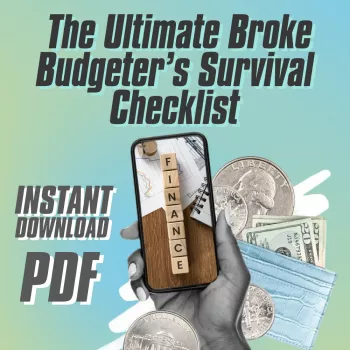
A Broke-Budgeter Checklist for Monthly Spending and Eating Out
Building a workable budget on a tight income gets easier when every dollar has a job and the “oops” categories (like takeout) are planned for instead of ignored. A checklist-style budget keeps the essentials protected, gives eating out a realistic cap, and creates a quick weekly routine so spending stays predictable—even when life gets busy.
Start with the “keep the lights on” list
Before deciding what’s left for restaurants, make sure your budget covers what keeps your life functioning.
- List monthly essentials first: housing, utilities, groceries, transportation, insurance, minimum debt payments, and required medication or health costs.
- Use the last 30–90 days of statements to catch recurring charges and easy-to-forget annual/quarterly bills (car registration, subscriptions, school fees).
- Add a tiny buffer line (even $10–$25) so overdrafts and late fees don’t wipe out your progress.
- If income varies, budget from the lowest expected month. Treat extra income as catch-up, sinking funds, or debt payoff—not “free money.”
Choose a budgeting method that works when money is tight
The “best” method is the one you’ll actually use weekly. Pick one approach and stick with it for 30 days.
- Zero-based budgeting: assign every dollar to a category so nothing silently disappears.
- Cash stuffing / envelope method: keep variable spending (including eating out) on a separate card/account or in cash so limits are obvious.
- Percentage guidelines as a starting point: use them to sanity-check totals, then adjust for real fixed costs like rent, childcare, and commuting.
- Consistency beats perfection: a simple plan done weekly works better than a complex one you avoid.
How much to budget for eating out (a realistic way to set the number)
Eating out doesn’t have to be “allowed” or “banned.” It needs a number that matches your reality and your goals.
- Find the baseline. Add up last month’s restaurants, takeout, coffee runs, delivery fees, and app tips.
- Choose your priority level: “minimum” (rare treat), “moderate” (planned convenience), or “social” (meals out are a key lifestyle choice).
- Set a cap you can follow. A common broke-budgeter range is 0%–5% of take-home pay when catching up on bills, then 5%–10% once essentials are stable.
- Convert monthly to weekly. This prevents one weekend from draining the whole month.
- Put guardrails on delivery. Limit delivery to a set number per month or require an offset (cook at home the next day, or move money from a “fun” line).
Sample monthly eating-out budgets (adjust to local prices and priorities)
| Monthly take-home pay | Lean plan (3%) | Moderate plan (6%) | Social plan (10%) | Weekly allowance (moderate) |
|---|---|---|---|---|
| $1,800 | $54 | $108 | $180 | $25 |
| $2,500 | $75 | $150 | $250 | $35 |
| $3,500 | $105 | $210 | $350 | $50 |
Build a simple “survival checklist” budget in under 30 minutes
When money is tight, speed matters. A budget you can finish and maintain is more useful than a “perfect” spreadsheet.
- Write income at the top (take-home). Subtract essentials and minimum payments first; what’s left is your variable spending pool.
- Create 4–6 core variable categories: groceries, gas/transport, eating out, household/personal, kids/pets, plus a small “misc” buffer.
- Add sinking funds for predictable-but-not-monthly costs (birthdays, car maintenance, annual renewals), even if it’s only a few dollars.
- Automate must-pay bills (rent, utilities, insurance) to reduce late fees; manage flexible categories weekly.
If you want a ready-to-use format for this routine, The Ultimate Broke Budgeter’s Survival Checklist – Digital Download – Money-Saving Guide – How Much to Budget for Eating Out is designed for quick weekly reviews and clear category caps.
Use a checklist to stop overspending before it happens
Overspending usually shows up in the middle of the month—when you’re tired, busy, and hungry. A short checklist helps you catch it early.
Tight-budget upgrades that still allow eating out
Digital checklist tool to keep the plan consistent
- Turn an Old Car Into a Smart Tax Move: A Complete Checklist for Donating Your Car to Charity for a Tax Write-Off (a practical checklist if a car donation is on the table and you want to stay organized).
- How Essential Oils Can Ease Stress and Anxiety | Relaxation eBook Guide for Natural Stress Relief, Aromatherapy, and Anxiety Support (helpful if stress triggers convenience spending and you want calming routines that don’t involve takeout).
Common pitfalls (and quick fixes)
Helpful references for setting realistic numbers
- Consumer Financial Protection Bureau (CFPB) — Budgeting resources
- USDA — Official food plans (cost estimates for home-prepared meals)
- U.S. Bureau of Labor Statistics (BLS) — Consumer Expenditures / Food away from home
FAQ
Is 10% of take-home pay too much for eating out?
It depends on your fixed costs and goals. If you’re catching up on bills, 0%–5% is often more realistic; once essentials and minimum payments are consistently covered, 5%–10% may work. Test a cap for 30 days and adjust only after rent, utilities, groceries, and debt minimums are protected.
How can eating out fit into a broke budget without wrecking it?
Use a weekly allowance, keep delivery limited, and set a simple per-meal price ceiling to prevent one splurge from draining the month. If you go over, require an offset—move money from another “fun” line or plan a quick home meal the next day.
What if income changes week to week?
Budget from the lowest expected month and cover essentials first, including a small buffer. Do weekly check-ins and top up variable categories (like eating out) only after upcoming bills are accounted for.
Recommended for you


Gen Z’s Top Beauty Brands: What “No. 1” Means
Jul 13, 2026













Leave a comment