-
Shop
- Adidas
- Advanced Technologies
- Bathroom
- Best-Sellers
- Car Accessories
- Dating & Social Skills
- Digital Resources
- AI & Technology
- AI Skills
- Beauty
- Budgeting & Saving
- Car Buying & Ownership
- Cozy Feast Collection
- Electronics & Technology
- Emotional Intelligence
- Entrepreneurship & Business Growth
- Financial Education
- Financial Independence
- Financial Mindset & Psychology
- Goal Setting
- Home Styling & Organization
- Kitchen & Recipes
- Leadership
- Mindfulness
- Mindset
- Motivation
- Online Business
- Parenting & Child Development
- Personal Style & Fashion
- Pet Lifestyle & Wellness
- Positive Thinking
- Productivity
- Self Confidence
- Sleep Improvement
- Smart Life with AI
- Stress Management & Relaxation
- Travel Planning
- Wellness
- Yoga & Fitness
- Yoga & Mind-Body Practices
- Easter Products
- Education & Learning
- Family & Parenting
- Fashion
- Alexander McQueen
- Bags
- Bags & Wallets
- Balenciaga
- Belts
- Blazers
- Bottega Veneta
- Brunello Cucinelli
- Burberry
- Chanel
- Chloé
- Dior
- Dolce & Gabbana
- Dresses
- Etro
- Fendi
- Gucci
- Hats & Hair Accessories
- Jewelry
- Jil Sander
- Keychains
- Kiton
- Luggage
- Miu Miu
- Off-White
- Outerwear
- Prada
- Rick Owens
- Saint Laurent
- Shoes
- Socks & Tights
- The Row
- Tom Ford
- Valentino
- Valentino Garavani
- Versace
- Vivienne Westwood
- Watches
- Furniture
- Gadgets
- Health & Beauty
- Health & Wellness
- Home & Garden
- Home Electronics
- Kids & Babies
- Kitchen
- Lighting
- Patio, Lawn & Garden
- Personal Growth
- Pet Care
- Pet Supplies
- Pets
- Smart Home Living Guides
- Sport & Outdoors
- Stress Relief & Relaxation
- TikTok Growth & Monetization Mastery
- Travel
- Wealth
- Wealth Building
- Popular
- Best deals
Portable Basket-Handle Ceramic Pot: Style & Easy Moves
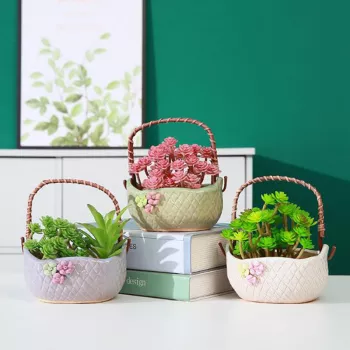
Creative Ceramic Portable Basket Plant Pot: A Stylish Home for Small Plants
A portable ceramic plant pot with a basket-style handle blends décor and practicality, making it easy to move plants for better light, easier watering, or a quick refresh of a shelf or tabletop. The result is a planter that feels like a design object even when you’re styling a tiny cutting or a small start. Below, you’ll find design benefits, plant pairings, placement ideas, care tips, and what to check before buying.
What makes a basket-style ceramic pot different
A basket-style ceramic planter stands out for its mix of visual warmth and everyday utility. The ceramic body adds reassuring weight and stability, while the handle detail gives you a built-in way to reposition your plant without awkwardly gripping the rim.
- Ceramic feels substantial: It anchors small plants so they don’t look “lost” on a wide console, desk, or open shelf, and it complements modern, rustic, and minimalist rooms.
- Portability supports plant health: A handle makes it simpler to rotate for even growth or shift a plant toward brighter indirect light as the seasons change.
- Decorative silhouette: The basket form looks intentional even with small foliage—ideal for tight styling zones like nightstands, bathroom shelves, and entryway ledges.
- Best for compact greenery: It’s typically most comfortable with small houseplants, cuttings, and countertop herb starts—plants you may want to move often for care or light.
Best plant matches for a compact ceramic pot
Small decorative planters shine when paired with plants that tolerate a bit of drying between waterings. Low- to medium-water plants help reduce the risk of soggy soil—especially if you’re using the pot as a decorative outer container (cachepot) with a removable nursery pot inside.
Plant pairing quick guide
| Plant type | Why it works | Care note |
|---|---|---|
| Pothos or heartleaf philodendron (small starts) | Easy growth and an attractive trailing effect | Let the top inch of soil dry before watering |
| Peperomia | Stays compact and decorative | Avoid overwatering; prefers a light, airy mix |
| Succulents (mini arrangements) | Clean lines that suit ceramic styling | Use cactus mix; water sparingly |
| Spider plant pup | Looks lively and handles indoor conditions well | Bright, indirect light; flush salts occasionally |
| Small herb pot (basil/mint start) | Functional countertop greenery | Needs strong light; consider a removable inner pot |
Trailing plants (like pothos cuttings or early string-of-hearts starts) are especially flattering on shelves because the handle/basket shape adds structure while the vines soften the outline. For a neat, tabletop-friendly look, compact foliage plants (peperomia, pilea, small ferns) keep the scale balanced.
Placement ideas that look intentional
A small portable planter is easiest to style when the placement is purposeful. Think in terms of “one focal point” or “a small grouping with height variation.”
- Entryway or console: A single statement pot creates a welcoming focal point without taking up much surface area.
- Kitchen windowsill: Rotate it easily to keep growth even; if you’re watering at the sink, the handle makes transport less messy.
- Bathroom shelf: Choose humidity-tolerant plants and be extra cautious about water sitting in the soil for long periods.
- Desk or bedside: Keep the plant compact and pick low-maintenance varieties so care stays simple.
- Grouped styling: Pair it with a taller planter plus a small candle or a short book stack to vary height and textures.
Watering, drainage, and protecting surfaces
Before you commit to a plant-and-pot pairing, confirm the drainage setup. Many decorative ceramic planters are meant to be used as cachepots, which is convenient—but it changes how you water.
- Check for a drainage hole: If there’s no hole, use the planter as an outer pot and keep your plant in a plastic nursery pot inside.
- Skip the “rocks at the bottom” shortcut: A removable nursery pot insert is more reliable than adding stones, since stones don’t truly replace drainage.
- Protect wood and porous surfaces: Use a saucer or waterproof mat to prevent rings and moisture damage.
- Water slowly: If drainage exists, stop once water runs through. If there’s no drainage, water lightly and avoid any pooling at the bottom.
- Empty excess water: Don’t let water sit in a saucer or in the bottom of a cachepot—roots suffer and surfaces can stain.
For practical houseplant watering guidance, see the Royal Horticultural Society’s houseplant watering advice and the University of Minnesota Extension indoor plant care basics.
Care and cleaning for ceramic and handle details
A practical styling checklist before buying
Featured picks available now
- Creative Ceramic Portable Basket Plant Pot ($27.82) — a decorative, easy-to-move home for small plants, cuttings, or tabletop greenery.
- How Essential Oils Can Ease Stress and Anxiety | Relaxation eBook Guide ($16.99) — a simple add-on for creating a calmer, spa-like corner near your favorite plant shelf.
Creative Ceramic Portable Basket Plant Pot at a glance
| Item | Details |
|---|---|
| Product | Creative Ceramic Portable Basket Plant Pot |
| Price | 27.82 USD |
| Availability | In stock |
| Best for | Small houseplants, cuttings, tabletop greenery |
FAQ
Does a ceramic planter need a drainage hole?
A drainage hole is strongly recommended because it helps prevent water from collecting around roots. If the planter doesn’t have a hole, use it as a decorative outer pot with a nursery pot insert, and water conservatively.
What plants do best in small ceramic pots indoors?
Reliable options include small pothos or philodendron starts, peperomia, spider plant pups, and mini succulents. Give them bright indirect light (or stronger light for succulents) and let the mix partially dry between waterings.
How can a portable planter help a houseplant grow better?
Portability makes it easy to move a plant into brighter indirect light, rotate it for even growth, and relocate it for watering or cleanup. Those small adjustments can reduce stress and keep growth more balanced over time.









Leave a comment