-
Shop
- Adidas
- Advanced Technologies
- Bathroom
- Best-Sellers
- Car Accessories
- Dating & Social Skills
- Digital Resources
- AI & Technology
- AI Skills
- Beauty
- Budgeting & Saving
- Car Buying & Ownership
- Cozy Feast Collection
- Electronics & Technology
- Emotional Intelligence
- Entrepreneurship & Business Growth
- Financial Education
- Financial Independence
- Financial Mindset & Psychology
- Goal Setting
- Home Styling & Organization
- Kitchen & Recipes
- Leadership
- Mindfulness
- Mindset
- Motivation
- Online Business
- Parenting & Child Development
- Personal Style & Fashion
- Pet Lifestyle & Wellness
- Positive Thinking
- Productivity
- Self Confidence
- Sleep Improvement
- Smart Life with AI
- Stress Management & Relaxation
- Travel Planning
- Wellness
- Yoga & Fitness
- Yoga & Mind-Body Practices
- Easter Products
- Education & Learning
- Family & Parenting
- Fashion
- Alexander McQueen
- Bags
- Bags & Wallets
- Balenciaga
- Belts
- Blazers
- Bottega Veneta
- Brunello Cucinelli
- Burberry
- Chanel
- Chloé
- Dior
- Dolce & Gabbana
- Dresses
- Etro
- Fendi
- Gucci
- Hats & Hair Accessories
- Jewelry
- Jil Sander
- Keychains
- Kiton
- Luggage
- Miu Miu
- Off-White
- Outerwear
- Prada
- Rick Owens
- Saint Laurent
- Shoes
- Socks & Tights
- The Row
- Tom Ford
- Valentino
- Valentino Garavani
- Versace
- Vivienne Westwood
- Watches
- Furniture
- Gadgets
- Health & Beauty
- Health & Wellness
- Home & Garden
- Home Electronics
- Kids & Babies
- Kitchen
- Lighting
- Patio, Lawn & Garden
- Personal Growth
- Pet Care
- Pet Supplies
- Pets
- Smart Home Living Guides
- Sport & Outdoors
- Stress Relief & Relaxation
- TikTok Growth & Monetization Mastery
- Travel
- Wealth
- Wealth Building
- Popular
- Best deals
Best Fabrics for Sensitive Skin: Soft, Breathable Picks
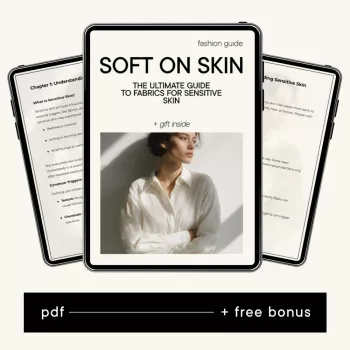
The Ultimate Guide to Fabrics for Sensitive Skin: Discover the Best Fabrics for Comfort and Style
Sensitive skin can react to rough fibers, heat and sweat, tight weaves that trap moisture, and chemical finishes left from dyeing or wrinkle-resistance treatments. The most comfortable wardrobe choices usually balance softness, breathability, low-friction texture, and easy care. This guide breaks down which fabrics tend to feel best, which ones commonly cause itch or irritation, and how to shop smarter by reading labels and checking fabric blends.
Why fabrics trigger irritation
- Friction: Coarse fibers and textured knits can rub the skin, especially at seams, cuffs, collars, and waistbands.
- Heat and moisture: Low-breathability fabrics can trap sweat, increasing itching and sensitivity.
- Chemical residues: Dyes, formaldehyde-based wrinkle-resistant finishes, and some antimicrobial treatments can bother reactive skin.
- Fit and construction: Tight garments, bulky seams, scratchy tags, and stiff elastic can matter as much as the fabric itself.
If you deal with eczema, contact dermatitis, or frequent “mystery itching,” clothing choices can be a practical part of symptom management. The National Eczema Association highlights how scratchy textures, heat, and irritating materials can aggravate sensitive skin, especially when sweat and friction are involved.
Best everyday fabrics for comfort
For many people, the “best” fabric is the one that stays soft against the skin while helping heat and moisture escape. These options are common favorites for daily wear, base layers, and sleepwear.
- Organic cotton: Usually soft, breathable, and easy to launder; look for combed ringspun cotton for a smoother feel.
- Bamboo viscose/lyocell: Often very soft and drapey; choose reputable brands and wash well before wear to reduce finishing residues.
- TENCEL™ Lyocell: Smooth fiber surface and strong moisture management; commonly comfortable for warm weather and layering pieces.
- Silk: Naturally smooth with low friction; best for base layers or sleepwear when cared for gently.
Quick fabric comfort check for sensitive skin
| Fabric | Feel on skin | Breathability | Best for | Watch-outs |
|---|---|---|---|---|
| Organic cotton | Soft to medium (varies by knit) | High | Tees, underwear, pajamas, babywear | Stiff cottons and heavy canvas can chafe; dyes/finishes may irritate |
| TENCEL™ Lyocell | Very smooth | High | Shirts, dresses, sleepwear, summer layers | Some blends add rougher fibers; avoid heavy chemical finishes |
| Bamboo viscose | Very soft | Medium-high | Loungewear, underwear, lightweight tops | Quality varies; choose well-constructed seams and wash before wear |
| Silk | Ultra-smooth | Medium | Sleepwear, scarves, base layers | Can be heat-sensitive; requires gentle washing; some may react to detergents |
Comfort-focused picks you can shop
- The Ultimate Guide to Fabrics for Sensitive Skin: Discover the Best Fabrics for Comfort and Style
- Elegant French Burgundy Velvet Long-Sleeve Banquet Dress for Autumn
Fabrics that commonly cause itch (and when they still work)
Some fabrics aren’t “bad,” but they’re more likely to cause discomfort when worn directly on reactive skin. The trick is knowing when to avoid them and when to use them strategically.
- Wool (especially coarse grades): Can feel prickly due to fiber diameter; if wool is needed for warmth, consider fine merino or use a soft base layer barrier.
- Polyester and acrylic: Can trap heat and odor; sometimes comfortable in performance knits, but can be sweaty for day-long wear.
- Nylon and spandex blends: Helpful for stretch but can feel clingy; prioritize soft, brushed interiors and avoid overly tight fits.
- Lace, sequins, metallic threads: Often abrasive; use lined garments or restrict to low-contact areas.
If warmth is the priority, it’s often easier on skin to layer: a smooth cotton or lyocell base close to the body, then the warmer (potentially itchier) layer on top.
Choosing the right weave, knit, and finish
Two items can both be “100% cotton” and still feel completely different. Beyond fiber content, comfort depends on surface texture, garment weight, and what’s been applied to the fabric.
- Prefer smooth surfaces: Jersey, interlock, and sateen often feel gentler than ribbed knits or rough twills.
- Look for breathable structure: Lightweight woven cottons and lyocell help reduce sweat buildup.
- Avoid heavy “easy-care” finishes when possible: Wrinkle-free and stain-resistant treatments can be irritating for some skin types.
- Prioritize gentle dyeing: Lighter colors or low-impact dyes may reduce the chance of reactions; wash new items before wearing.
For skin that flares easily, simple care routines matter too. The American Academy of Dermatology emphasizes practical self-care steps that help reduce irritation triggers—laundering choices and avoiding harsh residues can be part of that.
How to read labels and shop smarter
- Check the fiber list first: 100% cotton, 100% lyocell, or silk often feel simpler and more predictable than complex blends.
- Consider the second layer: If a fabric is slightly irritating (like wool), wear a soft cotton/lyocell base layer underneath.
- Inspect seams and trims: Flatlock seams, covered elastics, tagless labels, and soft thread reduce friction hotspots.
- Plan for care: Choose fabrics that can be washed with fragrance-free detergent; avoid items that require harsh cleaning if the skin reacts to residues.
When you’re comparing similar items, label accuracy helps you make better decisions. In the U.S., fiber content labeling is regulated; the Federal Trade Commission’s Textile & Wool Acts overview explains the basics behind fiber disclosure requirements.
Outfit ideas: staying comfortable without sacrificing style
FAQ
What fabric is best for sensitive skin?
It varies by person, but smooth, breathable fabrics like organic cotton and lyocell are common top choices. Washing new garments before wearing and avoiding heavy wrinkle-resistant finishes can also help reduce reactions.
Is bamboo fabric good for sensitive skin?
Bamboo viscose can feel very soft and comfortable, especially in lightweight knits. Quality and finishing matter, so choose reputable manufacturers and wash before first wear to reduce any residual processing chemicals.
How can itchy clothes be made more comfortable?
Add a soft base layer (cotton or lyocell), switch to fragrance-free detergent, and remove scratchy tags. Looser fits, lined garments, and smoother seams or covered elastics can also reduce friction where irritation starts.
Recommended for you

Navy Federal Car Buying Service: How It Works
Aug 2, 2026













Leave a comment