-
Shop
- Adidas
- Advanced Technologies
- Bathroom
- Best-Sellers
- Car Accessories
- Dating & Social Skills
- Digital Resources
- AI & Technology
- AI Skills
- Beauty
- Budgeting & Saving
- Car Buying & Ownership
- Cozy Feast Collection
- Electronics & Technology
- Emotional Intelligence
- Entrepreneurship & Business Growth
- Financial Education
- Financial Independence
- Financial Mindset & Psychology
- Goal Setting
- Home Styling & Organization
- Kitchen & Recipes
- Leadership
- Mindfulness
- Mindset
- Motivation
- Online Business
- Parenting & Child Development
- Personal Style & Fashion
- Pet Lifestyle & Wellness
- Positive Thinking
- Productivity
- Self Confidence
- Sleep Improvement
- Smart Life with AI
- Stress Management & Relaxation
- Travel Planning
- Wellness
- Yoga & Fitness
- Yoga & Mind-Body Practices
- Easter Products
- Education & Learning
- Family & Parenting
- Fashion
- Alexander McQueen
- Bags
- Bags & Wallets
- Balenciaga
- Belts
- Blazers
- Bottega Veneta
- Brunello Cucinelli
- Burberry
- Chanel
- Chloé
- Dior
- Dolce & Gabbana
- Dresses
- Etro
- Fendi
- Gucci
- Hats & Hair Accessories
- Jewelry
- Jil Sander
- Keychains
- Kiton
- Luggage
- Miu Miu
- Off-White
- Outerwear
- Prada
- Rick Owens
- Saint Laurent
- Shoes
- Socks & Tights
- The Row
- Tom Ford
- Valentino
- Valentino Garavani
- Versace
- Vivienne Westwood
- Watches
- Furniture
- Gadgets
- Health & Beauty
- Health & Wellness
- Home & Garden
- Home Electronics
- Kids & Babies
- Kitchen
- Lighting
- Patio, Lawn & Garden
- Personal Growth
- Pet Care
- Pet Supplies
- Pets
- Smart Home Living Guides
- Sport & Outdoors
- Stress Relief & Relaxation
- TikTok Growth & Monetization Mastery
- Travel
- Wealth
- Wealth Building
- Popular
- Best deals
5-Piece Flexible Shaft Cone Pads for Tight Car Polishing
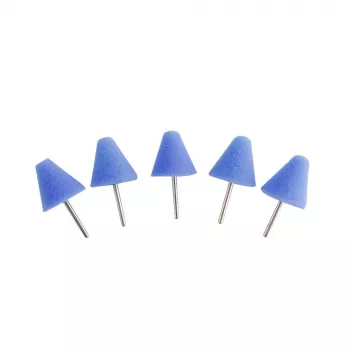
Blue Flexible Shaft Cone Polishing Pad Set (5 Pcs) for Precise Car Detailing
Tight gaps, emblems, grilles, door handles, and wheel details are where paint haze, oxidation, and leftover polish tend to hide. A cone-shaped polishing pad set on a flexible shaft helps you reach these areas without forcing a large pad into places it can’t safely fit. The result is cleaner edges, better clarity around trim, and a more “finished” detail—especially when the rest of the vehicle has already been polished with a standard pad. For more guidance, see Wool Pads I | Autopia Forum-Auto Detailing & Car Care ….
Below is a practical guide to what a 5-piece cone set is best for, how to pair it with common tools and polishes, and how to reduce the most common causes of marring and edge burn-through. For further reading, see Polishing My (Drive) Shaft – Third Generation F-Body ….
What a flexible shaft cone pad set is designed to do
A flexible shaft cone polishing set is built for small-area refinement rather than full-panel correction. The cone and tapered profiles let foam maintain contact in spaces where flat pads skip, grab, or simply don’t fit.
- Targets narrow, contoured, or recessed areas like around badges, lug nut pockets, mirror bases, door jamb edges, and trim contours.
- Improves access and control by keeping the motor body away from the paint while the cone reaches into the gap.
- Concentrates pressure on small zones for spot correction, refinement, and final polishing where a larger pad can’t hold even contact.
- Works best as a “detail finishing” tool alongside your main polisher, not as a substitute for full-panel work.
Where the 5-piece cone set helps most on a vehicle
These cone pads shine when the job is “make the hard parts match the easy parts.” Once your main paintwork is corrected, the small details can still look dull or hazy—especially around plastic trim, emblems, and tight cutouts.
Common use cases and the safer approach
| Area | Goal | Recommended approach | Caution |
|---|---|---|---|
| Badges/emblems | Remove haze and residue | Low speed, light polish, quick passes | Avoid catching edges; mask sharp corners |
| Door handles/recesses | Refine swirls | Small section work; keep pad moving | Heat builds fast in confined spaces |
| Wheel lug pockets | Restore shine | Wheel-safe polish; dedicated pads | Brake dust is abrasive—clean thoroughly first |
| Piano-black trim | Reduce micro-marring | Ultra-fine polish, minimal pressure | Easily hazes—test on a hidden spot |
Other smart targets include panel-edge “shadow” haze (use very light pressure), chrome accents needing a quick clarity boost, and intricate wheel spokes where a larger pad can’t follow the geometry. For broader paint correction principles and safe polishing habits, reputable manufacturers like Meguiar’s and 3M publish helpful guidance.
How to use cone pads safely and effectively
Small pads can correct quickly, but they also make it easier to concentrate heat and pressure in one spot. A few disciplined steps keep results crisp and reduce the odds of micro-marring.
- Prep first: wash and decontaminate the area. Grit trapped in a small cone pad can create immediate fine scratches.
- Mask smart: use painter’s tape on sharp edges, adjacent textured plastics, and rubber seals to prevent accidental strikes.
- Prime the pad: work a small amount of polish into the foam to avoid dry buffing; add only a pea-sized drop for spot work.
- Use light pressure: let the pad and polish do the work. Heavy pressure spikes heat and increases edge risk.
- Keep the pad moving: short, controlled passes. Don’t “park” the cone on a body line or thin edge.
- Work in short cycles: 10–20 seconds, then wipe and inspect. Repeat if needed rather than overworking once.
- Wipe residue gently: use a clean microfiber and flip often so you’re not grinding dried residue back into the finish.
Tool compatibility and setup tips
Most cone pads are used with rotary tools or drill-style setups via a flexible shaft. A few setup checks make the experience smoother and safer.
Choosing polish and pad aggressiveness for small-area correction
Care, cleaning, and storage for longer pad life
Product option: Blue Flexible Shaft Cone Polishing Pad Set (5 Pcs)
If you want a compact set dedicated to tight detailing zones, the Blue Flexible Shaft Cone Polishing Pad Set – 5 Pcs for Car Detailing is a practical add-on to a normal wash/clay/polish workflow. It’s designed for spot polishing in narrow or hard-to-reach areas where full-size pads can’t safely or evenly contact the surface.
Quick details
| Item | Value |
|---|---|
| Product | Blue Flexible Shaft Cone Polishing Pad Set – 5 Pcs for Car Detailing |
| Price | $9.51 USD |
| Availability | In stock |
More in-stock picks
- Elegant French Burgundy Velvet Long-Sleeve Banquet Dress for Autumn
- How Essential Oils Can Ease Stress and Anxiety | Relaxation eBook Guide for Natural Stress Relief, Aromatherapy, and Anxiety Support
- Turn an Old Car Into a Smart Tax Move: A Complete Checklist for Donating Your Car to Charity for a Tax Write-Off
FAQ
Can cone polishing pads remove scratches in tight areas?
They can improve light-to-moderate defects in small zones, but deep scratches may still require heavier correction, sanding, or paint repair. Do a small test spot first and increase aggressiveness gradually to avoid haze or edge damage.
What speed should be used with a flexible shaft cone pad?
Start at low speed and increase only if needed. Tight spaces and edges build heat quickly, so light pressure, short cycles, and constant movement matter more than high RPM.
How can marring be avoided when polishing around badges and trim?
Clean the area thoroughly, mask edges and nearby textured plastics, and use minimal product with light pressure. Keep the pad moving and stop often to wipe and inspect; clean or replace any pad that picks up grit.
















Leave a comment