-
Shop
- Adidas
- Advanced Technologies
- Bathroom
- Best-Sellers
- Car Accessories
- Dating & Social Skills
- Digital Resources
- AI & Technology
- AI Skills
- Beauty
- Budgeting & Saving
- Car Buying & Ownership
- Cozy Feast Collection
- Electronics & Technology
- Emotional Intelligence
- Entrepreneurship & Business Growth
- Financial Education
- Financial Independence
- Financial Mindset & Psychology
- Goal Setting
- Home Styling & Organization
- Kitchen & Recipes
- Leadership
- Mindfulness
- Mindset
- Motivation
- Online Business
- Parenting & Child Development
- Personal Style & Fashion
- Pet Lifestyle & Wellness
- Positive Thinking
- Productivity
- Self Confidence
- Sleep Improvement
- Smart Life with AI
- Stress Management & Relaxation
- Travel Planning
- Wellness
- Yoga & Fitness
- Yoga & Mind-Body Practices
- Easter Products
- Education & Learning
- Family & Parenting
- Fashion
- Alexander McQueen
- Bags
- Bags & Wallets
- Balenciaga
- Belts
- Blazers
- Bottega Veneta
- Brunello Cucinelli
- Burberry
- Chanel
- Chloé
- Dior
- Dolce & Gabbana
- Dresses
- Etro
- Fendi
- Gucci
- Hats & Hair Accessories
- Jewelry
- Jil Sander
- Keychains
- Kiton
- Luggage
- Miu Miu
- Off-White
- Outerwear
- Prada
- Rick Owens
- Saint Laurent
- Shoes
- Socks & Tights
- The Row
- Tom Ford
- Valentino
- Valentino Garavani
- Versace
- Vivienne Westwood
- Watches
- Furniture
- Gadgets
- Health & Beauty
- Health & Wellness
- Home & Garden
- Home Electronics
- Kids & Babies
- Kitchen
- Lighting
- Patio, Lawn & Garden
- Personal Growth
- Pet Care
- Pet Supplies
- Pets
- Smart Home Living Guides
- Sport & Outdoors
- Stress Relief & Relaxation
- TikTok Growth & Monetization Mastery
- Travel
- Wealth
- Wealth Building
- Popular
- Best deals
Handmade Ceramic Flower Pot for Bonsai & Stylish Decor
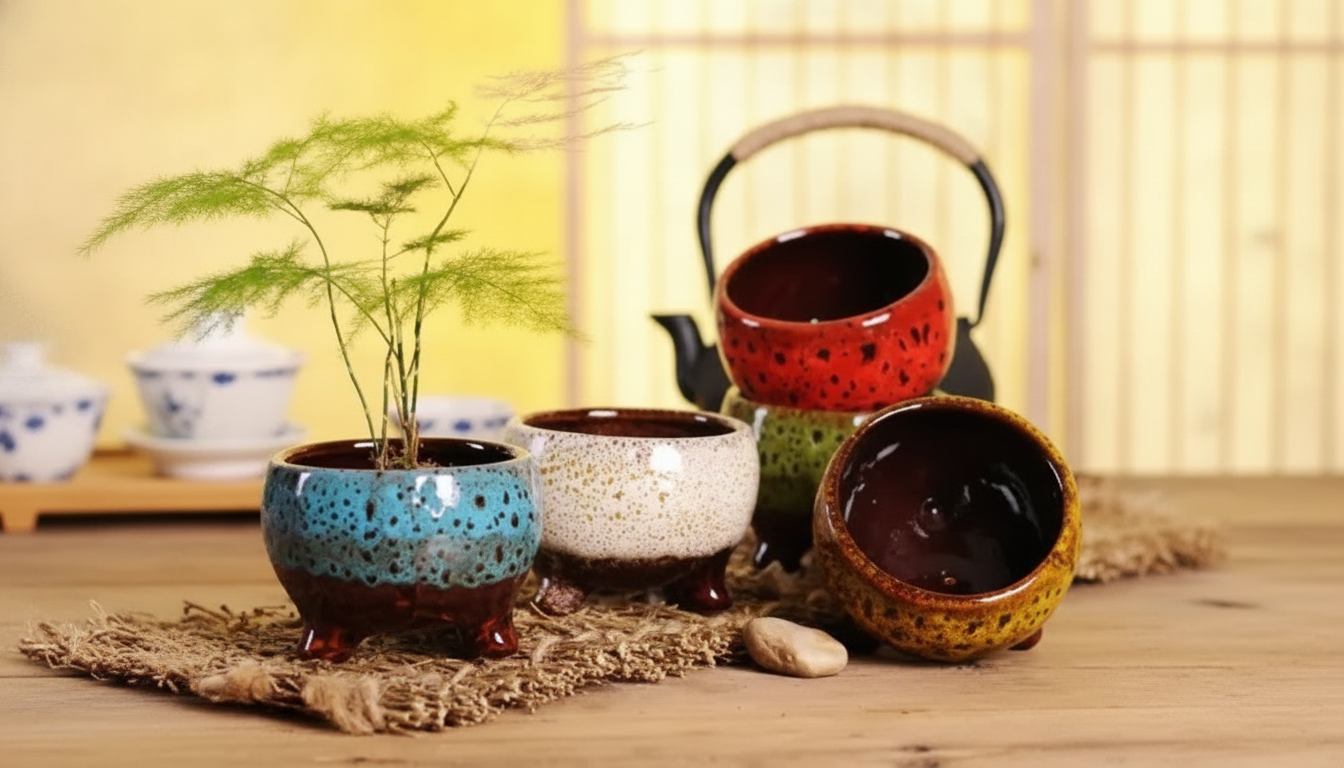
Handmade Ceramic Flower Pot for Bonsai and Everyday Decor
A well-made ceramic pot does more than hold soil: it frames the plant, supports healthy roots, and elevates a shelf, windowsill, or desk. A handmade ceramic flower pot fits bonsai styling as naturally as it suits simple decorative plantings, offering a timeless look that pairs easily with modern, rustic, or minimalist interiors. The subtle weight, the tactile finish, and the crafted silhouette can turn even a small plant into a quiet focal point.
What Makes a Handmade Ceramic Pot Stand Out
Handmade pottery has a presence that machine-made planters often miss. Instead of looking identical to every other pot on the aisle, it brings small details that feel intentional in a room.
- Handmade character: Subtle variations in form and finish create a one-of-a-kind look that feels less mass-produced.
- Ceramic stability: Added weight helps prevent tipping—useful for shallow bonsai plantings and high-traffic surfaces.
- Design versatility: Works as a focal piece with a single specimen plant or as part of a grouped arrangement.
If you’re refreshing a shelf or building a bonsai display, start with a piece that feels “finished” on its own—then let the plant complete the story. A practical option to consider is the Handmade Ceramic Flower Pot – Perfect for Bonsai and Decor, which transitions easily between traditional bonsai styling and everyday greenery.
Why Ceramic Works Well for Bonsai
Bonsai is as much about presentation as it is about horticulture. Ceramic supports both: it helps create a stable root environment and adds visual calm to the overall composition.
- Root environment: Ceramic helps buffer temperature swings compared with thinner plastic pots.
- Bonsai proportion: A lower profile and refined silhouette can visually balance trunk movement and canopy shape.
- Presentation: The pot becomes part of the composition—supporting a calm, intentional display on a stand or tray.
- Watering habits: Pairing the pot with a fast-draining bonsai substrate helps avoid soggy roots.
Indoor bonsai care still hinges on light, airflow, and watering habits. For general indoor watering fundamentals (especially helpful if you keep bonsai near windows), the Royal Horticultural Society’s houseplant care guidance is a strong reference point.
Placement Ideas for Home Decor
A ceramic pot can anchor a space in a way that feels curated, not cluttered. The trick is to match the pot’s visual weight to the surface and surrounding objects.
- Entryway console: Pair with a small tree-form plant to create an immediate centerpiece.
- Kitchen windowsill: Use with herbs or compact foliage plants; add a saucer to protect surfaces.
- Desk or bookshelf styling: Combine with stacked books, a candle, or a small framed print for an anchored vignette.
- Bathroom accent: Select humidity-tolerant plants (e.g., ferns) and ensure good airflow to reduce mold on the soil surface.
For plant-specific indoor notes—light levels, growth habits, and common issues—the Missouri Botanical Garden Plant Finder is a reliable place to cross-check care basics.
Drainage, Soil, and Watering Setup
A beautiful pot still needs the right setup underneath. Bonsai and houseplants can share the same ceramic vessel, but they shouldn’t share the same soil strategy.
- Drainage matters: Choose a setup that allows excess water to escape; add a saucer or tray to catch runoff.
- Soil selection: Bonsai mixes should drain quickly; for typical houseplants, use a well-aerated potting mix and amend with perlite or pumice as needed.
- Top dressing: A thin layer of akadama, lava rock, or decorative gravel can reduce soil splash and enhance the finished look.
- Watering rhythm: Water thoroughly, then allow the medium to reach the appropriate dryness for the plant type before watering again.
Quick Care Checklist
| Task | How often | What to watch for |
|---|---|---|
| Check soil moisture | 2–4 times per week | Top layer dry vs. deeper moisture; plant species needs |
| Deep water and drain | As needed | Water exits drainage; no standing water left in saucer |
| Rotate for even light | Weekly | One-sided growth or leaning |
| Wipe pot exterior | Monthly | Mineral spots, dust buildup, fingerprints |
| Inspect roots/repot (bonsai) | Every 1–3 years | Slow growth, poor drainage, circling roots |
Choosing the Right Plant Pairing
The best pairing is less about what’s trendy and more about what will look balanced and thrive in your actual light and humidity.
Cleaning and Long-Term Maintenance
A Thoughtful Gift for Plant Lovers
To make a gift bundle feel complete, include one “care comfort” item for the recipient. A simple add-on like How Essential Oils Can Ease Stress and Anxiety | Relaxation eBook Guide can complement a calming plant corner without complicating the setup.
FAQ
Does a bonsai pot need drainage holes?
Drainage holes are strongly recommended because bonsai roots need oxygen and quick runoff to reduce the risk of rot. If a pot doesn’t have drainage, use it as a cachepot with a nursery pot inside, or water very cautiously and consider adding a drainage-friendly inner container.
What’s the best soil for a bonsai in a ceramic pot?
A fast-draining bonsai mix is the go-to choice—often built from components like akadama, pumice, and lava rock (or similar materials depending on availability). Avoid dense, water-retentive soils for bonsai, and adjust the mix for your species and local conditions.
How do you remove white mineral stains from ceramic planters?
Wipe the exterior with a diluted vinegar solution, then rinse and dry thoroughly. Don’t soak the pot while a plant is inside; to prevent future buildup, use filtered water when possible and occasionally flush salts through the soil with a deep watering and full drain.
Recommended for you
The 7 C’s of Goal Setting: Clear Steps That Stick
Jul 30, 2026










Leave a comment