-
Shop
- Adidas
- Advanced Technologies
- Bathroom
- Best-Sellers
- Car Accessories
- Dating & Social Skills
- Digital Resources
- AI & Technology
- AI Skills
- Beauty
- Budgeting & Saving
- Car Buying & Ownership
- Cozy Feast Collection
- Electronics & Technology
- Emotional Intelligence
- Entrepreneurship & Business Growth
- Financial Education
- Financial Independence
- Financial Mindset & Psychology
- Goal Setting
- Home Styling & Organization
- Kitchen & Recipes
- Leadership
- Mindfulness
- Mindset
- Motivation
- Online Business
- Parenting & Child Development
- Personal Style & Fashion
- Pet Lifestyle & Wellness
- Positive Thinking
- Productivity
- Self Confidence
- Sleep Improvement
- Smart Life with AI
- Stress Management & Relaxation
- Travel Planning
- Wellness
- Yoga & Fitness
- Yoga & Mind-Body Practices
- Easter Products
- Education & Learning
- Family & Parenting
- Fashion
- Alexander McQueen
- Bags
- Bags & Wallets
- Balenciaga
- Belts
- Blazers
- Bottega Veneta
- Brunello Cucinelli
- Burberry
- Chanel
- Chloé
- Dior
- Dolce & Gabbana
- Dresses
- Etro
- Fendi
- Gucci
- Hats & Hair Accessories
- Jewelry
- Jil Sander
- Keychains
- Kiton
- Luggage
- Miu Miu
- Off-White
- Outerwear
- Prada
- Rick Owens
- Saint Laurent
- Shoes
- Socks & Tights
- The Row
- Tom Ford
- Valentino
- Valentino Garavani
- Versace
- Vivienne Westwood
- Watches
- Furniture
- Gadgets
- Health & Beauty
- Health & Wellness
- Home & Garden
- Home Electronics
- Kids & Babies
- Kitchen
- Lighting
- Patio, Lawn & Garden
- Personal Growth
- Pet Care
- Pet Supplies
- Pets
- Smart Home Living Guides
- Sport & Outdoors
- Stress Relief & Relaxation
- TikTok Growth & Monetization Mastery
- Travel
- Wealth
- Wealth Building
- Popular
- Best deals
Ultralight Carbon Flat Pedals: Anti-Slip, 3 Bearings
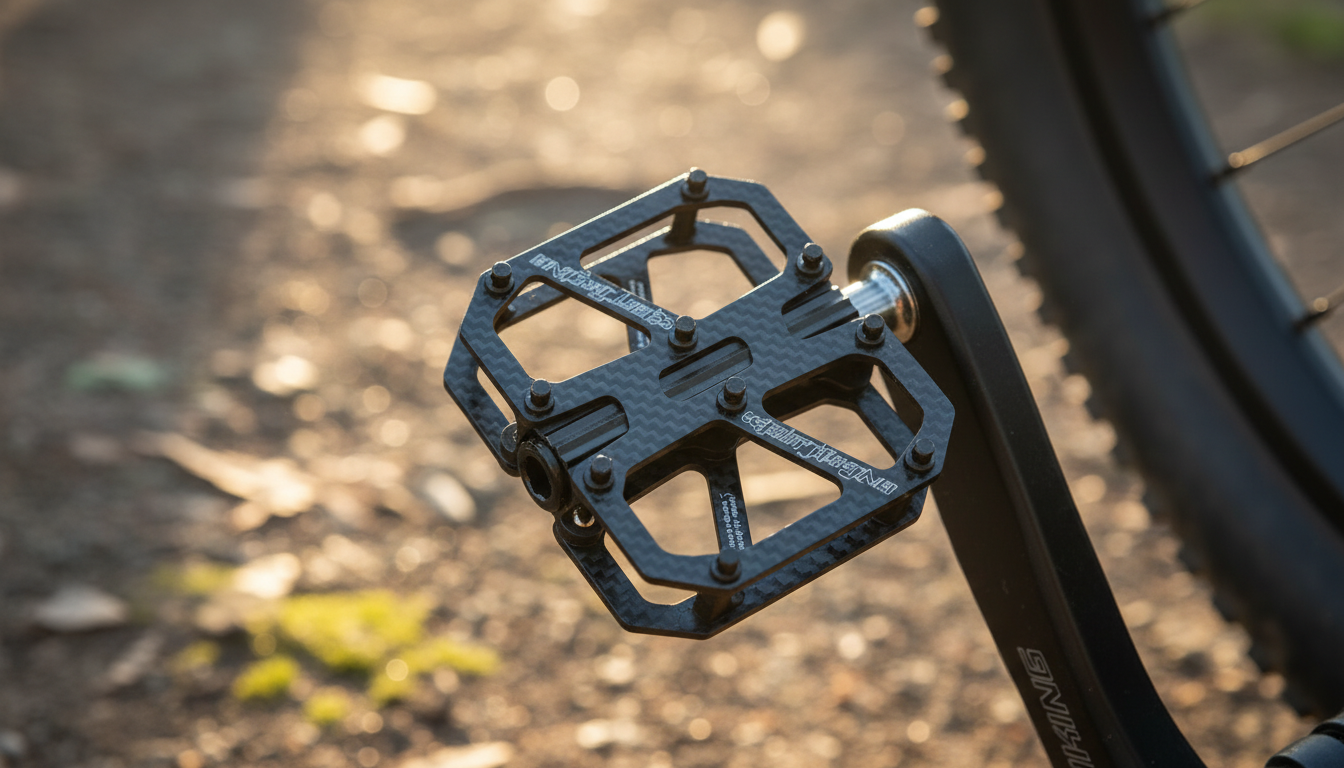
Ultralight Carbon Fiber Flat Bike Pedals with Anti-Slip 3 Bearing Design
A solid set of flat pedals can change how a bike feels on climbs, corners, and rough descents—especially when weight, grip, and smooth rotation are all priorities. This guide covers what matters in an ultralight carbon fiber flat pedal with an anti-slip platform and a 3-bearing setup, plus how to size, install, and maintain it for dependable performance. For more guidance, see On your back – European Human Powered Vehicle Association.
What Makes These Flat Pedals Different
Flat pedals look simple, but small design choices can make a big difference in how confident and efficient each pedal stroke feels. For further reading, see TECHNICAL JOURNAL OF THE IHPVA.
- Carbon fiber pedal body: Built to reduce weight while keeping a stiff, responsive platform underfoot—useful when accelerating and climbing out of the saddle.
- Flat platform control: Supports quick foot repositioning compared with clip-in systems, which can be helpful for commuting, trail riding, skills practice, and mixed terrain.
- Anti-slip traction concept: A grippy surface and pin layout aim to keep shoes planted during sprints, wet rides, and technical sections.
- 3-bearing rotation: Multiple bearings distribute load for smoother spin and improved durability versus basic bushing-only designs.
- Low-profile shape goals: Helps reduce pedal strikes on rocks and roots while maintaining adequate platform support.
Grip and Anti-Slip Design: What to Look For
Traction is the whole reason many riders switch from stock pedals. The best “locked-in” feel comes from the relationship between pins, platform shape, and the shoe outsole.
- Pin placement and height: Evenly spaced pins can improve shoe contact. Taller or sharper pins increase bite but can wear shoe soles faster.
- Platform size: Larger platforms spread pressure across the foot for comfort on longer rides; smaller platforms can feel more agile but may reduce stability.
- Concave profile: A slight concavity can “cup” the shoe for a more secure feel, especially when standing and sprinting.
- Surface texture and edges: Textured contact zones and beveled edges can add stability and reduce snagging on trail debris.
- Shoe pairing: Sticky rubber MTB flat shoes typically maximize traction; running shoes often slip more on aggressive pins.
| Design element | What it changes | Best for |
|---|---|---|
| Aggressive pins | Maximum traction, higher shoe wear | Trail, enduro, wet conditions |
| Moderate pins | Balanced grip and comfort | Commuting, mixed riding |
| Larger platform | Better support and reduced foot fatigue | Long rides, heavier riders |
| Lower-profile body | Fewer pedal strikes, slightly less pin depth possible | Rocky trails, technical riding |
3-Bearing Pedal Systems: Smoothness, Load Handling, Longevity
Pedal “feel” isn’t only about grip—rotation matters too. A quality bearing setup keeps the pedal spinning smoothly under real pedaling loads (standing efforts, cornering pressure, and repeated impacts).
- Why multiple bearings matter: Spreading load across bearings can reduce play and help maintain consistent rotation under hard efforts.
- Bearing types commonly used: Sealed cartridge bearings and/or needle bearings. Sealed designs help resist water and grit intrusion compared with open systems.
- Signs of good bearing performance: Consistent spin, no grinding, minimal side-to-side play, and quiet operation.
- Real-world impact: Smoother bearings can help maintain cadence and reduce drag that becomes more noticeable on longer rides.
- When to service: If riding is frequently wet, dusty, or muddy, inspect earlier; otherwise, a seasonal check is a solid baseline.
Weight, Strength, and Ride Use Cases
Ultralight pedals are often chosen for efficiency, but the best choice depends on terrain and riding style.
- Ultralight advantage: Reducing mass at the pedals can make accelerations feel snappier, especially on rolling terrain or stop-and-go routes.
- Carbon fiber considerations: Carbon fiber can offer excellent stiffness-to-weight, but sharp impacts with rocks or curbs can be more damaging than with some metal-bodied pedals.
- Best fits: XC riding, gravel, commuting, and riders building a lighter bike while still wanting flat-pedal confidence.
- Aggressive gravity riding: Choose based on platform size, pin aggression, and impact resistance needs; rock-heavy terrain may reward a more impact-tolerant pedal.
- Rider weight and style: Stronger riders and frequent standing sprints benefit from a stable axle and tight bearing tolerances.
Compatibility and Installation Basics
Most pedal issues come from installation errors—especially cross-threading—so it’s worth slowing down for the first few turns.
For step-by-step visuals and best practices, reference Park Tool’s pedal installation and removal guide and the thread-direction basics on Sheldon Brown’s pedals page.
Care and Maintenance for Carbon Flat Pedals
Product Snapshot and Who It Suits
| Detail | Value |
|---|---|
| Product | Ultralight Carbon Fiber Flat Bike Pedals with Anti-Slip 3 Bearing Design |
| Price | $49.51 USD |
| Availability | In stock |
| Best for | Flat-pedal riders prioritizing low weight, grip, and smooth rotation |
Other in-stock picks
- How Essential Oils Can Ease Stress and Anxiety | Relaxation eBook Guide for Natural Stress Relief, Aromatherapy, and Anxiety Support
- Turn an Old Car Into a Smart Tax Move: A Complete Checklist for Donating Your Car to Charity for a Tax Write-Off
FAQ
Do flat pedals with pins damage shoes?
Aggressive pins can wear softer shoe soles faster, especially if you frequently reposition your feet. MTB flat shoes with stickier rubber and reinforced tread typically hold up better, and many pedals let you tune pin height or replace pins as needed.
How long do sealed pedal bearings typically last?
In dry conditions with basic cleaning, sealed pedal bearings often last thousands of miles, but frequent wet mud and grit can shorten that significantly. Grinding, rough spin, or side-to-side play are common signs it’s time to service or replace bearings.
Are carbon fiber pedals safe for trail riding?
Carbon fiber can be strong and stiff for trail use, but sharp rock strikes or curb impacts can be more damaging than they would be on some metal-bodied pedals. If the pedal takes a hard hit, inspect for cracks and replace the pedal body if any damage is visible.
Recommended for you


Fake Guess Handbag? Quick Checks for Authenticity
Jul 24, 2026












Leave a comment