-
Shop
- Adidas
- Advanced Technologies
- Bathroom
- Best-Sellers
- Car Accessories
- Dating & Social Skills
- Digital Resources
- AI & Technology
- AI Skills
- Beauty
- Budgeting & Saving
- Car Buying & Ownership
- Cozy Feast Collection
- Electronics & Technology
- Emotional Intelligence
- Entrepreneurship & Business Growth
- Financial Education
- Financial Independence
- Financial Mindset & Psychology
- Goal Setting
- Home Styling & Organization
- Kitchen & Recipes
- Leadership
- Mindfulness
- Mindset
- Motivation
- Online Business
- Parenting & Child Development
- Personal Style & Fashion
- Pet Lifestyle & Wellness
- Positive Thinking
- Productivity
- Self Confidence
- Sleep Improvement
- Smart Life with AI
- Stress Management & Relaxation
- Travel Planning
- Wellness
- Yoga & Fitness
- Yoga & Mind-Body Practices
- Easter Products
- Education & Learning
- Family & Parenting
- Fashion
- Alexander McQueen
- Bags
- Bags & Wallets
- Balenciaga
- Belts
- Blazers
- Bottega Veneta
- Brunello Cucinelli
- Burberry
- Chanel
- Chloé
- Dior
- Dolce & Gabbana
- Dresses
- Etro
- Fendi
- Gucci
- Hats & Hair Accessories
- Jewelry
- Jil Sander
- Keychains
- Kiton
- Luggage
- Miu Miu
- Off-White
- Outerwear
- Prada
- Rick Owens
- Saint Laurent
- Shoes
- Socks & Tights
- The Row
- Tom Ford
- Valentino
- Valentino Garavani
- Versace
- Vivienne Westwood
- Watches
- Furniture
- Gadgets
- Health & Beauty
- Health & Wellness
- Home & Garden
- Home Electronics
- Kids & Babies
- Kitchen
- Lighting
- Patio, Lawn & Garden
- Personal Growth
- Pet Care
- Pet Supplies
- Pets
- Smart Home Living Guides
- Sport & Outdoors
- Stress Relief & Relaxation
- TikTok Growth & Monetization Mastery
- Travel
- Wealth
- Wealth Building
- Popular
- Best deals
Roomy Nylon Backpack for Laptop, Campus & Weekend Trips
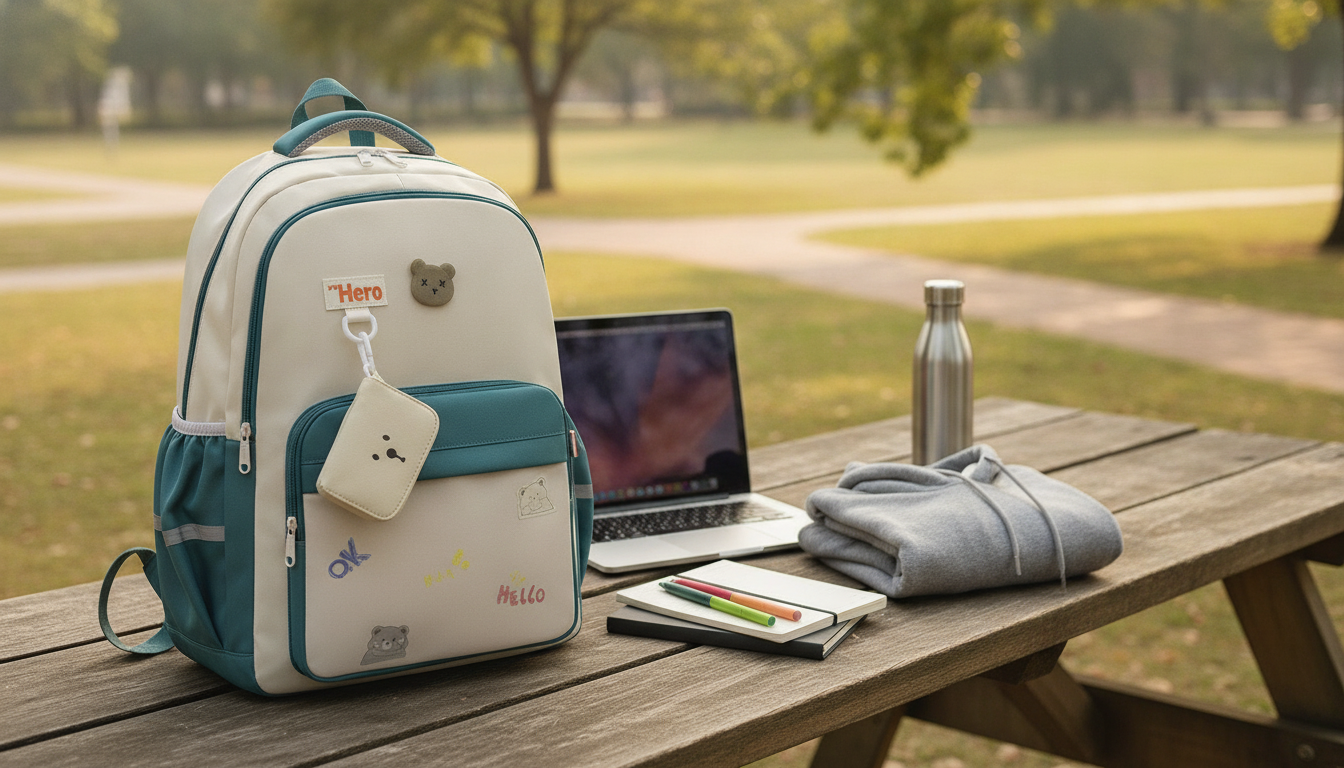
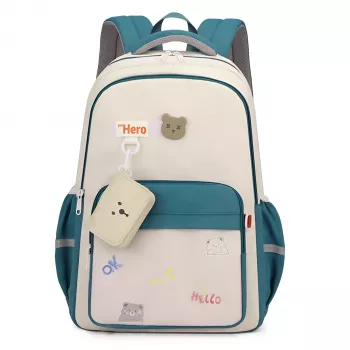
Large Capacity Nylon College Backpack for Laptop & Travel
A reliable backpack has to do more than hold books: it should protect a laptop, stay comfortable on long walks, and handle weekend travel without feeling bulky. This guide breaks down what matters most—capacity, organization, comfort, and durability—so choosing (and using) a roomy nylon backpack feels straightforward.
What a “large capacity” backpack should handle day to day
A truly large capacity college backpack isn’t just “big”—it’s sized and shaped to carry a full day’s load without turning into an awkward, overstuffed sack. For most students and commuters, that means fitting a laptop and charger, notebooks, and a water bottle with room to spare so zippers aren’t under constant strain.
Large capacity also matters when your day runs long. A change of clothes for the gym, a light jacket for a cold lecture hall, or lunch containers should slide in without stealing all the space from school essentials. And when the weekend hits, the same backpack should handle simple travel items—snacks, a toiletry pouch, a power bank, and maybe a compact camera—without forcing a second bag.
Finally, daily convenience depends on quick access. Keys, a transit card, phone, and earbuds should be reachable in seconds, not buried beneath a hoodie and textbooks.
Nylon as a practical material for school and travel
Nylon is a go-to fabric for people who need a backpack that stays light while still feeling tough. Compared with heavier materials, nylon helps keep your overall carry weight down—useful when you’re already hauling a laptop and books.
It also holds up well to real-world friction: sliding under desks, brushing against walls, and getting set down on concrete during commutes. For busy schedules, nylon is typically lower maintenance too. Many spills can be wiped away, and after a rainy walk, it tends to dry relatively quickly, which helps prevent that “damp bag” smell from lingering.
Laptop protection essentials
If a backpack is going to pull double duty for school and travel, laptop safety should be non-negotiable. The most practical setup is a dedicated padded compartment that separates your laptop from hard-edged items like textbooks, metal water bottles, and chargers.
A snug fit matters because a shifting laptop takes more bumps while you walk, bike, or ride transit. A slightly raised or cushioned base helps too, reducing the impact when you set the bag down quickly. For frequent travel (or especially delicate devices), pairing the built-in compartment with an additional sleeve adds a second layer of insurance.
Organization that prevents “everything in one pocket” syndrome
A large backpack can still feel messy if it’s missing smart pocketing. The most usable layout is usually a big main compartment for bulky items (textbooks, a hoodie, a packing cube) plus a secondary compartment for flatter gear like folders, a tablet, or documents that you don’t want creased.
Comfort for long days: straps, back panel, and load balance
Avoid overloading outer pockets with heavy gear; when weight sits far from your body, it pulls your posture backward and increases shoulder strain. For additional guidance on safe carrying habits, the AAOS backpack safety recommendations are a helpful reference: https://orthoinfo.aaos.org/en/staying-healthy/backpack-safety/.
Packing setup for a 2–3 day trip using a college-style backpack
If you’re flying, keep liquids and your battery pack accessible for security checks. For rules around lithium-ion batteries and power banks, refer to the FAA guidance: https://www.faa.gov/hazmat/packsafe/lithium-batteries.
Feature checklist: what to confirm before buying
| Need | What to look for | Why it matters |
|---|---|---|
| Laptop carry | Padded laptop compartment | Reduces impact and keeps tech separate |
| All-day comfort | Padded, adjustable shoulder straps | Less fatigue on long commutes |
| Easy organization | Multiple pockets/compartments | Faster access and fewer lost items |
| Travel-ready capacity | Room for a packing cube + pouch | Works for weekend trips without a suitcase |
| Daily durability | Reinforced seams and smooth zippers | Holds up to frequent opening and heavy loads |
| Low-maintenance exterior | Wipe-clean nylon surface | Keeps the bag looking presentable longer |
Care and cleaning for nylon backpacks
Good fit for: students, commuters, and light travelers
Product spotlight: Large Capacity Nylon College Backpack for Laptop & Travel
If you want a single backpack that can move from class to commute to a quick overnight, the Large Capacity Nylon College Backpack for Laptop & Travel is built around that kind of routine. It’s designed to combine school-ready organization with travel-friendly space, making it easier to carry a laptop alongside books, layers, and everyday accessories without constant reshuffling.
For travelers who like having calming routines on the road (especially during busy semesters), a lightweight digital add-on can be useful: How Essential Oils Can Ease Stress and Anxiety | Relaxation eBook Guide.
FAQ
What laptop size can a college travel backpack usually fit?
It depends on the internal sleeve dimensions, but many backpacks fit common 13–15.6 inch laptops, and some accommodate up to 16 inches. Measure your laptop and compare it to the compartment specs; for extra protection, add a slim laptop sleeve.
How should a heavy backpack be packed to feel lighter?
Place the heaviest items closest to the back panel and centered, then keep lighter items toward the front. Avoid loading heavy gear into front pockets, and tighten the shoulder straps so the bag rides higher and feels more balanced.
How do you clean a nylon backpack without damaging it?
Spot clean with mild soap and water, then wipe away residue with a damp cloth and let it air dry fully. Avoid bleach and high heat, and don’t machine dry; gently clean zippers so they keep moving smoothly.
Recommended for you
Prada Wool Cardigan Guide: Fit, Styling & Care
Jul 8, 2026













Leave a comment