-
Shop
- Adidas
- Advanced Technologies
- Bathroom
- Best-Sellers
- Car Accessories
- Dating & Social Skills
- Digital Resources
- AI & Technology
- AI Skills
- Beauty
- Budgeting & Saving
- Car Buying & Ownership
- Cozy Feast Collection
- Electronics & Technology
- Emotional Intelligence
- Entrepreneurship & Business Growth
- Financial Education
- Financial Independence
- Financial Mindset & Psychology
- Goal Setting
- Home Styling & Organization
- Kitchen & Recipes
- Leadership
- Mindfulness
- Mindset
- Motivation
- Online Business
- Parenting & Child Development
- Personal Style & Fashion
- Pet Lifestyle & Wellness
- Positive Thinking
- Productivity
- Self Confidence
- Sleep Improvement
- Smart Life with AI
- Stress Management & Relaxation
- Travel Planning
- Wellness
- Yoga & Fitness
- Yoga & Mind-Body Practices
- Easter Products
- Education & Learning
- Family & Parenting
- Fashion
- Alexander McQueen
- Bags
- Bags & Wallets
- Balenciaga
- Belts
- Blazers
- Bottega Veneta
- Brunello Cucinelli
- Burberry
- Chanel
- Chloé
- Dior
- Dolce & Gabbana
- Dresses
- Etro
- Fendi
- Gucci
- Hats & Hair Accessories
- Jewelry
- Jil Sander
- Keychains
- Kiton
- Luggage
- Miu Miu
- Off-White
- Outerwear
- Prada
- Rick Owens
- Saint Laurent
- Shoes
- Socks & Tights
- The Row
- Tom Ford
- Valentino
- Valentino Garavani
- Versace
- Vivienne Westwood
- Watches
- Furniture
- Gadgets
- Health & Beauty
- Health & Wellness
- Home & Garden
- Home Electronics
- Kids & Babies
- Kitchen
- Lighting
- Patio, Lawn & Garden
- Personal Growth
- Pet Care
- Pet Supplies
- Pets
- Smart Home Living Guides
- Sport & Outdoors
- Stress Relief & Relaxation
- TikTok Growth & Monetization Mastery
- Travel
- Wealth
- Wealth Building
- Popular
- Best deals
3 Ways to Water Plants: Top, Bottom & Self-Watering
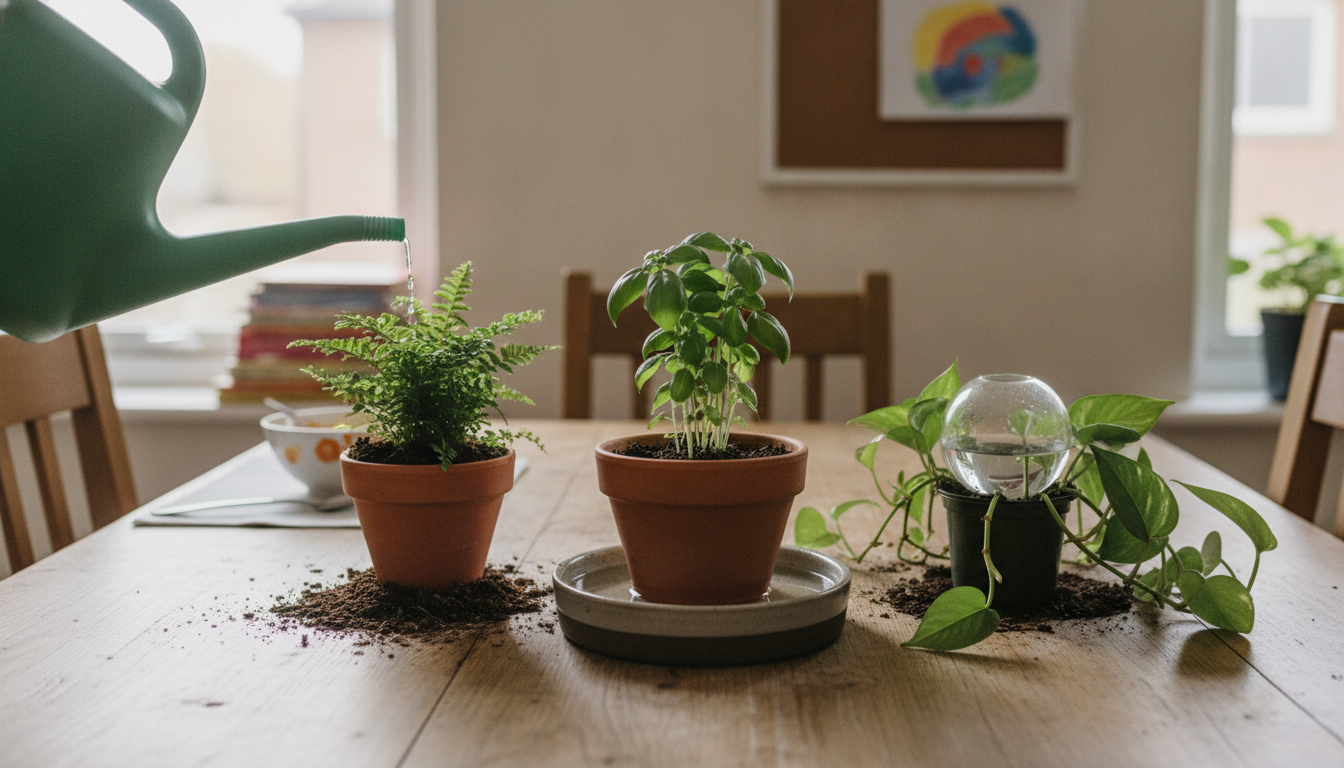
What are the three ways of watering the plants?
The three most common ways to water plants are top watering, bottom watering, and self-watering (or wick) watering. Each method gets moisture to the roots differently, and the best choice depends on your plant type, pot setup, and how quickly your soil dries out.
1) Top watering (from above)
Top watering is the classic approach: pour water onto the soil surface until it drains from the bottom holes. It’s ideal for most houseplants because it thoroughly rehydrates the potting mix and helps flush out excess mineral salts over time. Water slowly and evenly around the pot, then empty any standing water from the saucer so roots aren’t left sitting in a puddle.
2) Bottom watering (from below)
Bottom watering means placing the pot in a tray or bowl of water and letting the soil pull moisture up through the drainage holes. This method is helpful for plants that dislike wet foliage, and it can reduce gnat issues by keeping the top layer drier. Leave the pot to soak until the soil surface feels lightly damp, then remove it and let it drain well.
3) Self-watering / wick watering
Self-watering systems use a reservoir and a wick or capillary action to supply moisture gradually as the plant needs it. This can be great for consistent hydration, especially for plants that prefer evenly moist soil. The key is matching the setup to your plant: drought-tolerant plants may stay too wet if the reservoir is always full.
To dial in the right method and timing for your specific plant and soil type, use this deeper guide: soil type and watering guide for healthier plants.
For 3 Ways to Water Plants: Top, Bottom & Self-Watering, the best answer depends on fit, material, care instructions, and how the product will be used day to day.
FAQ
How do you know when a plant needs water?
Check the soil with your finger: if the top inch (or more for larger pots) is dry, many plants are ready to water. Wilting, dull leaves, and a lighter-feeling pot can also signal thirst, while constantly wet soil can point to overwatering.












Leave a comment