-
Shop
- Adidas
- Advanced Technologies
- Bathroom
- Best-Sellers
- Car Accessories
- Dating & Social Skills
- Digital Resources
- AI & Technology
- AI Skills
- Beauty
- Budgeting & Saving
- Car Buying & Ownership
- Cozy Feast Collection
- Electronics & Technology
- Emotional Intelligence
- Entrepreneurship & Business Growth
- Financial Education
- Financial Independence
- Financial Mindset & Psychology
- Goal Setting
- Home Styling & Organization
- Kitchen & Recipes
- Leadership
- Mindfulness
- Mindset
- Motivation
- Online Business
- Parenting & Child Development
- Personal Style & Fashion
- Pet Lifestyle & Wellness
- Positive Thinking
- Productivity
- Self Confidence
- Sleep Improvement
- Smart Life with AI
- Stress Management & Relaxation
- Travel Planning
- Wellness
- Yoga & Fitness
- Yoga & Mind-Body Practices
- Easter Products
- Education & Learning
- Family & Parenting
- Fashion
- Alexander McQueen
- Bags
- Bags & Wallets
- Balenciaga
- Belts
- Blazers
- Bottega Veneta
- Brunello Cucinelli
- Burberry
- Chanel
- Chloé
- Dior
- Dolce & Gabbana
- Dresses
- Etro
- Fendi
- Gucci
- Hats & Hair Accessories
- Jewelry
- Jil Sander
- Keychains
- Kiton
- Luggage
- Miu Miu
- Off-White
- Outerwear
- Prada
- Rick Owens
- Saint Laurent
- Shoes
- Socks & Tights
- The Row
- Tom Ford
- Valentino
- Valentino Garavani
- Versace
- Vivienne Westwood
- Watches
- Furniture
- Gadgets
- Health & Beauty
- Health & Wellness
- Home & Garden
- Home Electronics
- Kids & Babies
- Kitchen
- Lighting
- Patio, Lawn & Garden
- Personal Growth
- Pet Care
- Pet Supplies
- Pets
- Smart Home Living Guides
- Sport & Outdoors
- Stress Relief & Relaxation
- TikTok Growth & Monetization Mastery
- Travel
- Wealth
- Wealth Building
- Popular
- Best deals
Smart Savings at Home: Easy Habits + Printable Checklist
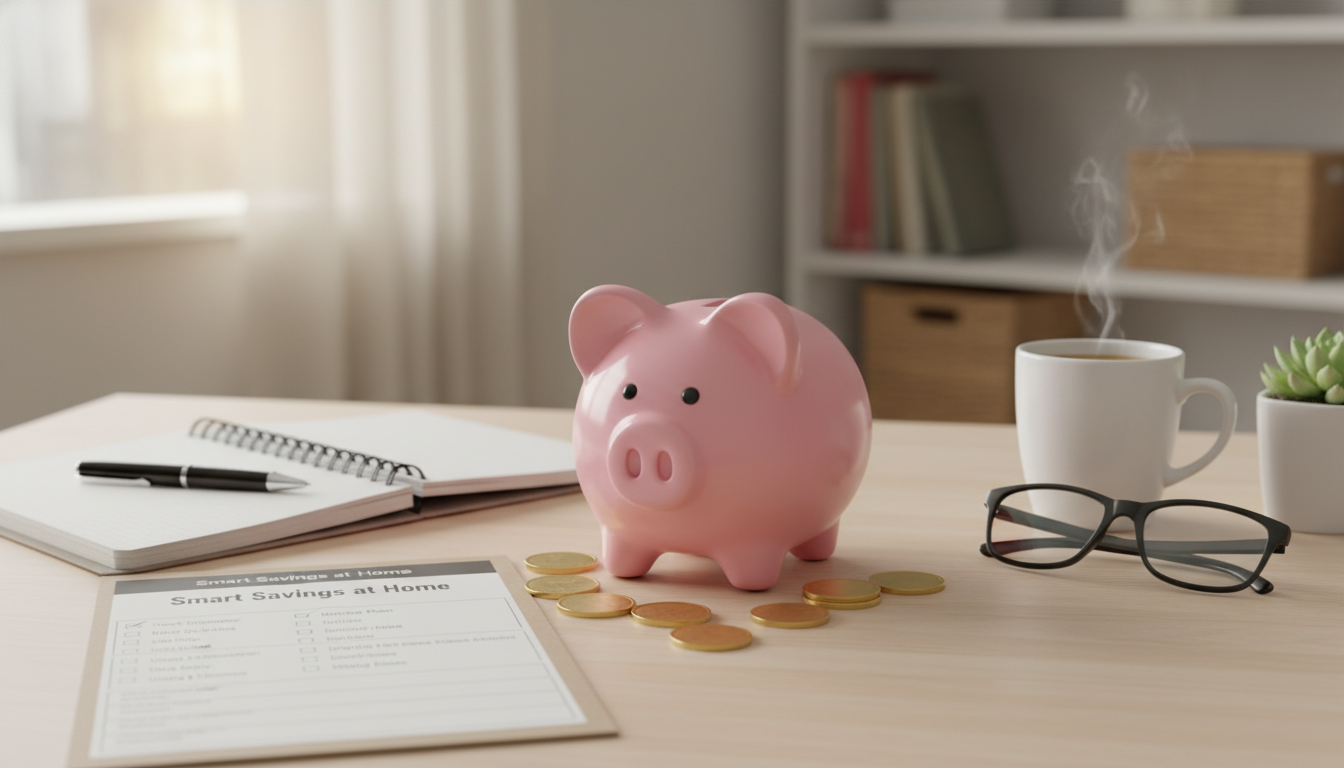
Smart Savings at Home: Small Habits, Real Progress
Saving money at home tends to work best when the actions are small, repeatable, and easy to track. Instead of relying on “perfect” months, build a few low-friction routines you can do on busy days—then use a simple planner to see what’s actually improving. The goal isn’t deprivation; it’s turning quick wins (less waste, lower utility use, fewer impulse purchases) into steady monthly progress.
Start with a 15-minute home money audit
Pick one fixed day each week—Sunday afternoon, Monday morning, whatever fits—and set a calendar reminder. A recurring “money reset” turns budgeting from a stressful event into a predictable habit.
- List the top three categories that leak money at home most often: groceries, utilities, and subscriptions are common starting points.
- Gather the last 30 days of receipts or transaction history and highlight repeat “small” purchases that add up.
- Choose one no-spend swap for the week (pantry meal, library e-books, home coffee) to create quick momentum.
- Set one measurable target for the month (example: reduce groceries by $40 or lower electricity by 5%).
Daily and Weekly Habits That Typically Create the Fastest Savings
| Habit | Time needed | What to track | Expected payoff |
|---|---|---|---|
| Plan 3 low-cost meals using pantry/freezer items | 10 minutes | Grocery spend vs. plan | Fewer impulse store runs |
| Run full loads (dishwasher/laundry) and use cold water when possible | 0–2 minutes | Loads per week | Lower utility and detergent use |
| Unsubscribe/cancel one unused subscription | 5–10 minutes | Monthly recurring charges | Immediate monthly savings |
| Check thermostat schedule and adjust 1–2 degrees | 5 minutes | Energy bill trend | Ongoing utility reduction |
| Do a 2-minute “waste scan” before trash day (food, paper products) | 2 minutes | Waste sources | Lower replacement purchases |
Build a simple daily checklist that fits real life
The most effective checklist is the one you’ll actually use when the day goes sideways. Keep it short (5–10 actions max) and write each item as something you can complete quickly.
- Use checkboxes for momentum and visibility—consistency matters more than perfection.
- Group tasks by trigger (morning, after dinner, before bed) instead of by category.
- Include one maintenance item (quick tidy or a food inventory check) to prevent costly last-minute purchases.
- Add a weekly review box: total no-spend days, grocery trips avoided, and one lesson learned.
If you want a done-for-you template you can print and start today, the Smart Savings at Home Checklist printable budget planner pairs daily checkboxes with a weekly planning routine—helpful when you’d rather follow a system than rebuild one from scratch.
Cut utility costs with small, repeatable adjustments
Utility savings often come from tiny changes that compound. Aim for “set it and forget it” routines so you’re not constantly negotiating with yourself.
- Set thermostat routines instead of manual changes; small shifts can add up across the month. ENERGY STAR shares practical home energy tips at ENERGY STAR – Saving energy at home.
- Use power strips for entertainment centers and home office setups to reduce standby power draw.
- Switch to LED bulbs as older bulbs burn out; prioritize the most-used rooms first.
- Run appliances efficiently: full loads, air-dry when practical, and clean lint filters to improve dryer performance.
- Shorten high-energy habits by a few minutes (showers, oven preheating, drying cycles) and compare the next bill.
Shrink the grocery bill without relying on willpower
Groceries are one of the easiest categories to “overspend by accident.” The fix isn’t strict rules—it’s reducing decision fatigue and preventing waste.
- Create a default shopping list template with staples, and rotate 6–10 low-cost meals to make planning automatic.
- Use a “shop the kitchen first” routine: check fridge, pantry, and freezer before adding items to the list.
- Set a store rule: don’t shop hungry, and don’t walk extra aisles beyond the list (snacks and seasonal displays are designed to tempt).
- Add one waste-prevention habit: freeze leftovers in single portions, or schedule a leftover night midweek.
- Track price-per-unit for repeat buys (rice, oats, canned goods) and stock up only when it hits your target price.
For food storage guidance that helps reduce spoilage, the USDA FoodKeeper resource is a useful reference when you’re deciding what to freeze, what to use first, and what may last longer than you think.
Keep a printable budget plan that takes 10 minutes a week
If you’d like extra budgeting structure, the CFPB provides straightforward tools and guidance at Consumer Financial Protection Bureau (CFPB) – Budgeting resources.
Make savings stick with simple systems (not motivation)
When stress is a big spending trigger, a calming routine can support better decisions. The guide How Essential Oils Can Ease Stress and Anxiety is an optional add-on for building a wind-down habit that replaces “browse and buy” time with a healthier reset.
Printable tool: Smart Savings at Home Checklist + Budget Planner
Get started here: Smart Savings at Home Checklist printable budget planner.
FAQ
What are the easiest daily habits to save money at home?
Focus on habits that reduce repeat costs: plan one simple meal, run full loads for laundry and dishes, do a quick spending check, and avoid impulse store trips by using a list and a pantry-first routine.
How do printable checklists and budget planners help with saving money?
They reduce mental load and make progress visible. A checklist turns goals into actions, and a planner shows where money went so you can adjust quickly without starting over.
How long does it take to see results from small savings habits?
Some changes show up immediately (like canceling subscriptions), while utilities typically improve on the next bill. Many households notice clearer progress after 2–4 weeks of consistent tracking.















Leave a comment