-
Shop
- Adidas
- Advanced Technologies
- Bathroom
- Best-Sellers
- Car Accessories
- Dating & Social Skills
- Digital Resources
- AI & Technology
- AI Skills
- Beauty
- Budgeting & Saving
- Car Buying & Ownership
- Cozy Feast Collection
- Electronics & Technology
- Emotional Intelligence
- Entrepreneurship & Business Growth
- Financial Education
- Financial Independence
- Financial Mindset & Psychology
- Goal Setting
- Home Styling & Organization
- Kitchen & Recipes
- Leadership
- Mindfulness
- Mindset
- Motivation
- Online Business
- Parenting & Child Development
- Personal Style & Fashion
- Pet Lifestyle & Wellness
- Positive Thinking
- Productivity
- Self Confidence
- Sleep Improvement
- Smart Life with AI
- Stress Management & Relaxation
- Travel Planning
- Wellness
- Yoga & Fitness
- Yoga & Mind-Body Practices
- Easter Products
- Education & Learning
- Family & Parenting
- Fashion
- Alexander McQueen
- Bags
- Bags & Wallets
- Balenciaga
- Belts
- Blazers
- Bottega Veneta
- Brunello Cucinelli
- Burberry
- Chanel
- Chloé
- Dior
- Dolce & Gabbana
- Dresses
- Etro
- Fendi
- Gucci
- Hats & Hair Accessories
- Jewelry
- Jil Sander
- Keychains
- Kiton
- Luggage
- Miu Miu
- Off-White
- Outerwear
- Prada
- Rick Owens
- Saint Laurent
- Shoes
- Socks & Tights
- The Row
- Tom Ford
- Valentino
- Valentino Garavani
- Versace
- Vivienne Westwood
- Watches
- Furniture
- Gadgets
- Health & Beauty
- Health & Wellness
- Home & Garden
- Home Electronics
- Kids & Babies
- Kitchen
- Lighting
- Patio, Lawn & Garden
- Personal Growth
- Pet Care
- Pet Supplies
- Pets
- Smart Home Living Guides
- Sport & Outdoors
- Stress Relief & Relaxation
- TikTok Growth & Monetization Mastery
- Travel
- Wealth
- Wealth Building
- Popular
- Best deals
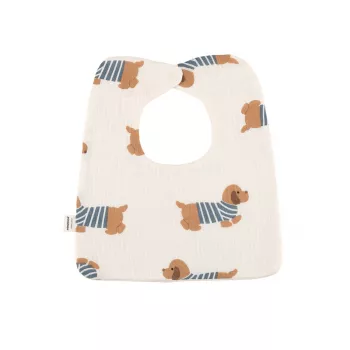
6-Layer Cotton Gauze Baby Bib: Soft, Absorbent, Breathable

Soft 6-Layer Cotton Gauze Baby Bib for Everyday Feeds and Drool
A good bib should handle drool, milk dribbles, and early solids without feeling scratchy or trapping heat against delicate skin. This soft, multi-layer cotton gauze style is designed for frequent daily use—absorbent, gentle, and easy to rotate through wash days. If daily life includes teething bursts, surprise spit-ups, and quick bottle breaks, a breathable bib that soaks efficiently can help keep baby more comfortable and outfits a little drier.
What Makes a 6-Layer Gauze Bib Different
Not all cloth bibs behave the same once real-life drool and drips hit. A 6-layer gauze bib is built around a simple idea: more absorbent structure without turning the bib into a hot, stiff slab of fabric.
- Multi-layer gauze increases absorbency while staying breathable compared with single-layer cloth, which can feel damp quickly.
- Soft cotton gauze tends to feel lighter on the neck and chest, which can reduce fussiness during feeds and teething days.
- Layering helps slow “soak-through,” keeping outfits drier between changes—especially when drool runs steadily rather than in one big spill.
- A flexible drape sits more naturally on a baby’s chest, catching drips before they reach the collar or neckline of a onesie.
Breathable, multi-layer gauze is also handy in warmer rooms or under a sleep sack during calm time, because it’s less likely to trap heat than thicker terry styles.
Comfort for Sensitive Skin and Daily Wear
A bib can only help if a baby tolerates it. For many families, comfort comes down to the neckline, how the fabric moves, and how quickly dampness is swapped out.
- Choose a bib that feels smooth at the neck edge and doesn’t bunch under the chin—bunching can rub and hold moisture in skin folds.
- Breathable fabrics reduce damp contact that may contribute to irritation around the mouth, cheeks, and neck rolls.
- Lightweight bibs are easier to tolerate during longer stretches—teething, stroller rides, and supervised contact naps.
- Rotate bibs often; changing as soon as the bib is damp helps keep skin drier.
If baby is prone to irritation, general pediatric skin-care guidance emphasizes keeping skin clean and dry and using gentle products. For additional background on baby skin and drool-related irritation, see resources from HealthyChildren.org (American Academy of Pediatrics) and general sensitive-skin tips from Mayo Clinic.
Absorbency and Coverage for Drool, Bottle Feeds, and First Foods
Different messes call for slightly different features. Teething drool can be constant and thin; bottle drips tend to run down the chin; early purees are thicker and can smear across the chest.
- For heavy drool phases, prioritize absorbency plus a chest area wide enough to catch side dribbles when baby turns their head.
- During bottle feeds, neckline coverage matters for milk that escapes the corners of the mouth and travels down the chin.
- For early purees, a soft bib handles small messes well; for bigger spoon-fed meals, pairing a soft bib with a wipeable smock can reduce laundry load.
- On the go, keeping a spare bib in the diaper bag helps avoid extended time in damp fabric.
| Situation | What to prioritize | Helpful habit |
|---|---|---|
| Teething drool | High absorbency + breathable fabric | Swap bib when damp to keep neck folds dry |
| Bottle feeds | Neckline coverage + soft edge | Keep a burp cloth nearby for bigger spills |
| First purees | Comfortable coverage across chest | Pre-wet a washcloth for quick wipe-downs |
| On-the-go | Lightweight + easy to pack | Store a clean spare in a zip pouch |
Fit and Closure: Getting a Secure, Gentle Neckline
Even the softest fabric can irritate if the bib fits poorly. A good daily bib should stay in place without pushing into the throat when baby looks down or presses their chin to their chest.
Care and Washing Tips to Keep Gauze Soft
For general hygiene reminders when cleaning everyday items, the CDC’s hygiene guidance is a helpful reference point. Always follow the bib’s care label if provided.
When to Replace a Bib
Product Spotlight: Soft 6-Layer Cotton Gauze Baby Bib
For a daily bib that balances comfort and absorbency, the Soft 6-Layer Cotton Gauze Baby Bib is designed for frequent drool and feed drips. The multi-layer gauze build helps slow soak-through while keeping the feel lightweight and breathable—useful for everyday wear in the high chair, stroller, play mat, and on quick errands.
| Item | Detail |
|---|---|
| Product | Soft 6-Layer Cotton Gauze Baby Bib |
| Price | 9.97 USD |
| Availability | In stock |
| Product page | https://tupira.com/soft-6-layer-cotton-gauze-baby-bib/ |
Outfit changes are part of the drool-and-feeding season, so having comfortable, easy everyday clothing on hand can help. If you need a warm, outdoor-ready option for kids, consider Kids Winter Fleece-Lined Cargo Jogger Pants for Outdoor Comfort for chilly days when spills and messes still happen.
FAQ
How many bibs are useful to have in rotation?
For light drool and regular laundry, 6–10 bibs often works well. For heavy teething drool or if laundry happens only once or twice a week, 12–20 bibs plus 2–3 diaper-bag spares can prevent long stretches in damp fabric.
How can a bib help with drool rash on the neck?
A bib doesn’t treat drool rash, but it can reduce how long moisture sits against the skin by absorbing drips and prompting quicker changes. Swap bibs as soon as they’re damp, gently pat neck folds dry, and seek pediatric guidance if irritation persists or worsens.
How should cotton gauze bibs be washed to stay absorbent?
Wash before first use, use a gentle detergent, and avoid heavy fabric softeners that can coat fibers and reduce absorbency. Low-heat drying or air-drying helps keep gauze layers soft; always follow the care label when available.
Recommended for you


AI Potty Training Tips: Calm 7-Day Checklist Plan
May 28, 2026
Stop Overspending: Simple Budget Reset That Sticks
May 29, 2026













Leave a comment