-
Shop
- Adidas
- Advanced Technologies
- Bathroom
- Best-Sellers
- Car Accessories
- Dating & Social Skills
- Digital Resources
- AI & Technology
- AI Skills
- Beauty
- Budgeting & Saving
- Car Buying & Ownership
- Cozy Feast Collection
- Electronics & Technology
- Emotional Intelligence
- Entrepreneurship & Business Growth
- Financial Education
- Financial Independence
- Financial Mindset & Psychology
- Goal Setting
- Home Styling & Organization
- Kitchen & Recipes
- Leadership
- Mindfulness
- Mindset
- Motivation
- Online Business
- Parenting & Child Development
- Personal Style & Fashion
- Pet Lifestyle & Wellness
- Positive Thinking
- Productivity
- Self Confidence
- Sleep Improvement
- Smart Life with AI
- Stress Management & Relaxation
- Travel Planning
- Wellness
- Yoga & Fitness
- Yoga & Mind-Body Practices
- Easter Products
- Education & Learning
- Family & Parenting
- Fashion
- Alexander McQueen
- Bags
- Bags & Wallets
- Balenciaga
- Belts
- Blazers
- Bottega Veneta
- Brunello Cucinelli
- Burberry
- Chanel
- Chloé
- Dior
- Dolce & Gabbana
- Dresses
- Etro
- Fendi
- Gucci
- Hats & Hair Accessories
- Jewelry
- Jil Sander
- Keychains
- Kiton
- Luggage
- Miu Miu
- Off-White
- Outerwear
- Prada
- Rick Owens
- Saint Laurent
- Shoes
- Socks & Tights
- The Row
- Tom Ford
- Valentino
- Valentino Garavani
- Versace
- Vivienne Westwood
- Watches
- Furniture
- Gadgets
- Health & Beauty
- Health & Wellness
- Home & Garden
- Home Electronics
- Kids & Babies
- Kitchen
- Lighting
- Patio, Lawn & Garden
- Personal Growth
- Pet Care
- Pet Supplies
- Pets
- Smart Home Living Guides
- Sport & Outdoors
- Stress Relief & Relaxation
- TikTok Growth & Monetization Mastery
- Travel
- Wealth
- Wealth Building
- Popular
- Best deals
AI Potty Training Tips: Calm 7-Day Checklist Plan
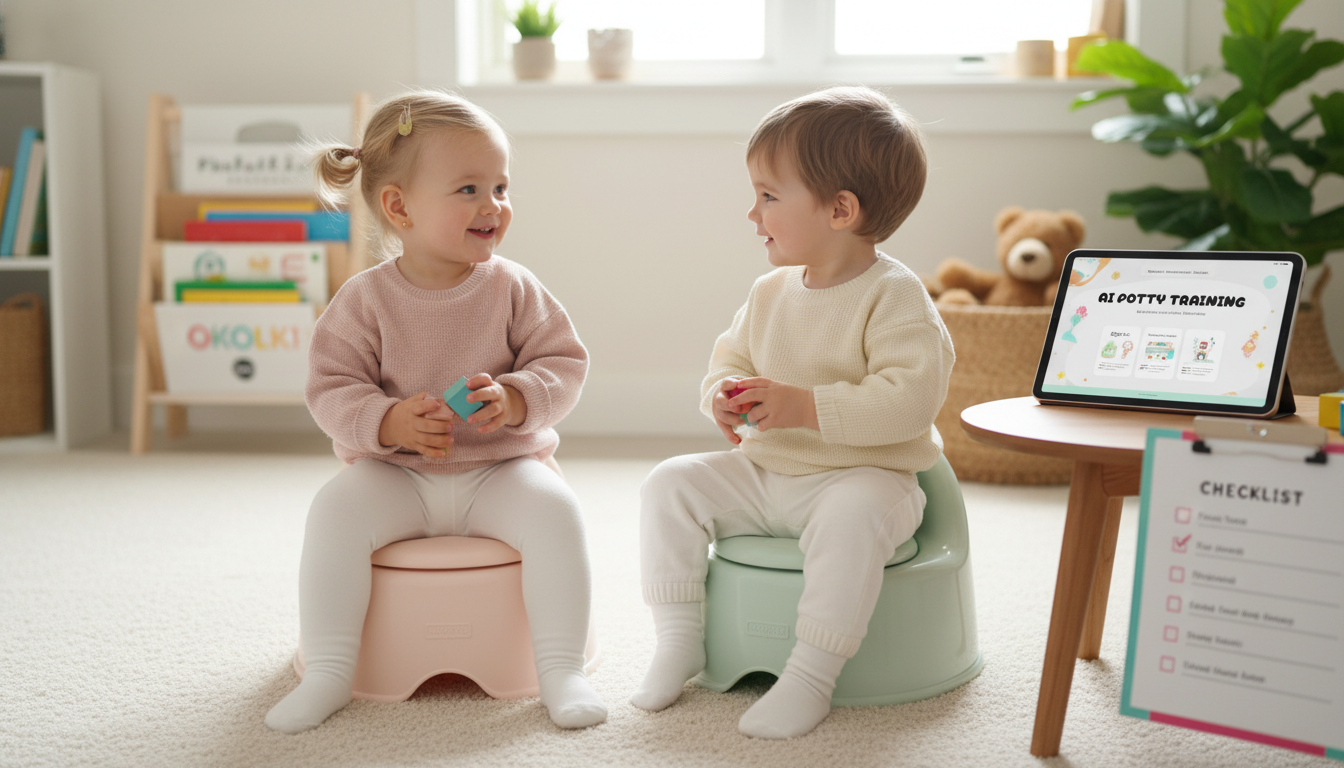
AI Tips Potty Training: Smarter, Calmer Guidance for Toddler Toilet Training
Potty training tends to stall when routines are inconsistent, signals are missed, or parents feel stuck between “wait it out” and “push harder.” A smarter approach focuses on observing patterns, responding consistently, and using simple checklists to keep everyone aligned. The goal isn’t perfection—it’s a repeatable routine that helps toddlers feel safe, capable, and understood while adults stay calm and consistent.
If you want a ready-to-follow plan with tracking pages and caregiver-friendly steps, the AI Tips Potty Training digital guide and checklist (downloadable PDF) is designed to turn daily observations into an easy routine you can share with anyone who helps care for your child.
What “smarter guidance” looks like during potty training
Smarter guidance” doesn’t mean complicated. It means treating potty training like a simple pattern-finding process: notice what’s happening, try one small change, and keep the steps consistent so your toddler knows what to expect.
- Focus on patterns over isolated accidents: timing, cues, fluids, naps, outings, and transitions matter more than a single “bad day.”
- Use consistent language and steps: the same short phrases and the same order of actions build predictability.
- Short feedback loops: try a plan for 2–3 days, then adjust one variable (timing, reminders, clothing, bathroom access).
- Keep motivation simple: praise effort, avoid punishment, and treat accidents as information.
- Make the environment do the work: easy-to-remove clothing, a stable step stool, and a predictable routine reduce power struggles.
Common potty-training signals and the best next step
| Signal noticed | What it may mean | Best response |
|---|---|---|
| Dry for 2+ hours | Bladder control is emerging | Offer a scheduled sit and praise the try |
| Hiding or pausing play | Need to pee/poop or fear of releasing | Calmly guide to potty; keep voice neutral |
| Tugging diaper/underwear | Body awareness cue | Prompt: “Potty time—let’s check your body” |
| Accidents right after reminders | Prompting too late or too much pressure | Prompt earlier and reduce urgency in tone |
| Refuses to sit | Control struggle or discomfort | Offer choice: big potty vs. little potty; add stool/seat reducer |
| Poop withholding | Fear, constipation, or routine disruption | Increase fluids/fiber; consider pediatric guidance; keep routine steady |
Readiness and timing: decide when to start (and when to pause)
Starting at the right time reduces frustration for everyone. Readiness is less about age and more about skills, comfort, and your family’s ability to stay consistent for a couple of weeks.
- Readiness signs: stays dry longer, follows 2-step directions, shows awareness before/after peeing or pooping, and can pull pants up/down with help.
- Avoid major disruptions when possible: travel, a new sibling, moving, or daycare changes can make progress slower.
- A strategic pause can help: if distress is high, return briefly to diapers while keeping bathroom routines (handwashing, sitting practice) steady.
- Plan around predictable moments: wake-up, before/after naps, before leaving home, after meals, and before bath.
For medical and developmental guidance, see the American Academy of Pediatrics toilet training overview and the Mayo Clinic potty training guide.
A simple 7-day routine built on observation and small adjustments
This week-long structure keeps things focused without becoming rigid. The purpose is to learn your child’s patterns, then gently shape them into a routine your toddler can predict.
A practical way to keep this organized (especially with multiple caregivers) is a shared checklist and tracking page. The AI Tips Potty Training digital guide and checklist (downloadable PDF) is built around quick daily notes and small, controlled adjustments—so you change one variable at a time instead of guessing.
Handling common setbacks without adding stress
What’s inside the digital guide and checklist (and how parents use it daily)
Find it here: AI Tips Potty Training: Smarter Guidance for Parents (Digital PDF).
Make the routine easier: setup, scripts, and quick fixes
- Setup: keep a potty in the play area at first or ensure quick bathroom access; use a stable stool and a comfortable seat reducer if needed.
- Clothing: choose elastic waistbands and simple layers so your toddler can help. If you need warmer, easy-on bottoms for outings, consider Kids Winter Fleece-Lined Cargo Jogger Pants for Outdoor Comfort for quick pull-up/pull-down practice.
- Scripts to stay consistent: “Let’s try potty, then we’ll go back to playing.” / “Your body is learning—good try.”
- Outings: do a quick sit before leaving, bring a change of clothes, and use the same cue phrase every time.
- Rewards: if you use them, keep them small and immediate, reward effort (sitting/trying), and fade them out as the routine sticks.
If you want a calm, repeatable script-and-checklist approach that multiple caregivers can follow, keep the PDF on your phone for quick reference: download the AI Tips Potty Training guide.
FAQ
How long does potty training usually take?
Many toddlers show noticeable progress in a few days, but reliable daytime use often takes weeks. Check progress in 2–3 day blocks (not hour-by-hour) and adjust one variable at a time to avoid confusion.
What if a toddler refuses to sit on the potty?
Reduce pressure and offer control: big potty vs. little potty, a short book vs. a song, and 1–3 minute sits. If refusal comes with real distress or pain, pause and check for discomfort before trying again.
Should night training happen at the same time as daytime training?
Not usually—nighttime dryness is largely developmental. Focus on a solid daytime routine first, protect the bed, and revisit night training once daytime is stable.
















Leave a comment