-
Shop
- Adidas
- Advanced Technologies
- Bathroom
- Best-Sellers
- Car Accessories
- Dating & Social Skills
- Digital Resources
- AI & Technology
- AI Skills
- Beauty
- Budgeting & Saving
- Car Buying & Ownership
- Cozy Feast Collection
- Electronics & Technology
- Emotional Intelligence
- Entrepreneurship & Business Growth
- Financial Education
- Financial Independence
- Financial Mindset & Psychology
- Goal Setting
- Home Styling & Organization
- Kitchen & Recipes
- Leadership
- Mindfulness
- Mindset
- Motivation
- Online Business
- Parenting & Child Development
- Personal Style & Fashion
- Pet Lifestyle & Wellness
- Positive Thinking
- Productivity
- Self Confidence
- Sleep Improvement
- Smart Life with AI
- Stress Management & Relaxation
- Travel Planning
- Wellness
- Yoga & Fitness
- Yoga & Mind-Body Practices
- Easter Products
- Education & Learning
- Family & Parenting
- Fashion
- Alexander McQueen
- Bags
- Bags & Wallets
- Balenciaga
- Belts
- Blazers
- Bottega Veneta
- Brunello Cucinelli
- Burberry
- Chanel
- Chloé
- Dior
- Dolce & Gabbana
- Dresses
- Etro
- Fendi
- Gucci
- Hats & Hair Accessories
- Jewelry
- Jil Sander
- Keychains
- Kiton
- Luggage
- Miu Miu
- Off-White
- Outerwear
- Prada
- Rick Owens
- Saint Laurent
- Shoes
- Socks & Tights
- The Row
- Tom Ford
- Valentino
- Valentino Garavani
- Versace
- Vivienne Westwood
- Watches
- Furniture
- Gadgets
- Health & Beauty
- Health & Wellness
- Home & Garden
- Home Electronics
- Kids & Babies
- Kitchen
- Lighting
- Patio, Lawn & Garden
- Personal Growth
- Pet Care
- Pet Supplies
- Pets
- Smart Home Living Guides
- Sport & Outdoors
- Stress Relief & Relaxation
- TikTok Growth & Monetization Mastery
- Travel
- Wealth
- Wealth Building
- Popular
- Best deals
Reflective Triangle Saddle Bag: Secure MTB/Road Carry
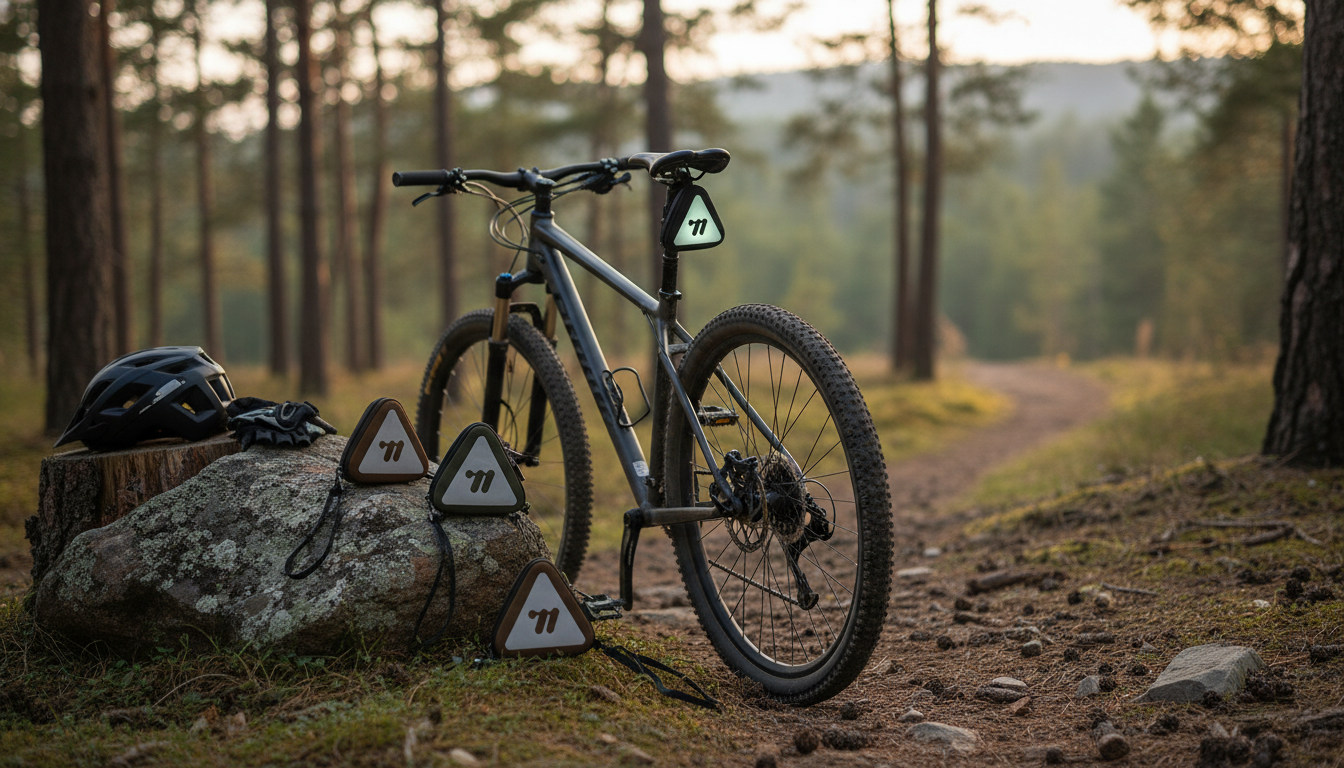
Reflective Triangle Saddle Bag with Shoulder Strap for MTB & Road Bikes
A triangle saddle bag that stays secure on rough terrain, adds night visibility, and can be carried off the bike makes everyday rides and longer loops easier. The right under-saddle setup keeps essentials organized without stuffing jersey pockets, and it can reduce the temptation to ride “just this once” without a tube or tools. Below is a practical guide to what to store, how to mount it cleanly, and why reflective details plus a shoulder strap can change how the bag gets used before, during, and after the ride.
What a triangle saddle bag adds to a ride
A well-designed triangle saddle bag is one of the simplest upgrades for better ride flow. Instead of shifting items between pockets, backpacks, and frame bags, it creates a consistent home for the basics so you can grab-and-go.
- Keeps essentials in one place without filling jersey pockets or wearing a backpack.
- Triangular profile helps fit under the saddle/seat area with less sway.
- Fast access for tubes, CO₂, levers, keys, and a small multitool.
- Reflective panels add a passive visibility boost when headlights hit the bike.
- Shoulder strap turns the bag into a quick carry option for café stops or commuting.
For road riding, the benefit is a clean profile that doesn’t interrupt pedaling or create noticeable drag. For MTB, stability is the win: fewer rattles, less bouncing, and a lower chance of the bag shifting into the rear tire zone when the trail gets choppy.
Standout features: reflective surfaces and shoulder strap
Two features tend to separate “fine” saddle bags from the ones that become everyday gear: reflective detailing and a usable carry strap.
- Reflective detailing helps drivers and other riders spot the bike from behind and at angles in low light.
- Shoulder strap supports off-bike use: walking into a store, grabbing a drink, or carrying tools without leaving them on the bike.
- Triangle shape and saddle-mount positioning keep weight close to the bike’s centerline for stable handling.
- Useful for MTB rides where rattling and bouncing can be an issue, and for road rides where a clean profile matters.
Reflective material is especially helpful during dawn/dusk commutes, post-work rides that run long, or mixed-use paths where visibility changes quickly under trees and bridges. Meanwhile, the shoulder strap is all about reducing friction at stops: instead of unloading pockets or leaving valuables on the bike, the whole kit comes with you.
What fits inside: practical packing list
Packing a saddle bag is a small systems project: carry the items that get you rolling again, plus the items that prevent a minor issue from turning into a call for a ride home.
- Flat repair: 1 tube (road or MTB size as needed), tire levers, patch kit.
- Inflation: mini pump or CO₂ inflator + cartridge(s) (carry safely and check local rules for transport).
- Tools: compact multitool with chain tool if desired, quick link.
- Personal items: ID, card/cash, house key, small snack.
- Weather add-ons: thin gloves or a compact rain shell if space allows.
- Tip: wrap metal tools to reduce noise and protect the bag lining.
| Ride type | Must-have items | Nice-to-have add-ons |
|---|---|---|
| Short road ride (1–2 hrs) | Tube, levers, CO₂/mini pump, multitool, key/ID | Quick link, small snack |
| Longer road ride | Tube, levers, pump, multitool, quick link, cash/card | Patch kit, spare CO₂, light shell |
| MTB trail ride | Tube, levers, pump/CO₂, multitool, quick link | Tire plug kit (tubeless), small first-aid items |
| Commute/errands | Tube, levers, pump, multitool, key/ID | Cable lock, charger, shoulder strap for carry |
Mounting and fit checks (MTB and road)
A clean mount makes the bag quieter, more stable, and less likely to interfere with parts that move. Take an extra minute on setup and you’ll avoid most mid-ride annoyances.
Night and low-light riding notes
For broader safety guidance, review the visibility and riding recommendations from the NHTSA bicyclist safety page and the U.S. Consumer Product Safety Commission bicycle safety resources.
Using the shoulder strap effectively
Care, durability, and everyday maintenance
Product options
- Reflective Triangle Saddle Bag with Shoulder Strap for MTB & Road Bikes — a compact under-saddle carry solution combining reflective visibility and off-bike portability, best for riders who want low-profile storage that can come inside with them.
- Social Confidence in Any Situation | Printable Checklist for Self-Assurance and Communication Skills — a quick, printable resource that pairs well with group rides, commuting, and meeting new riding partners when you want a little more ease starting conversations off the bike.
FAQ
Will a triangle saddle bag fit both MTB and road bikes?
Most triangle saddle bags mount to standard saddle rails and the seatpost, so they work on many MTB and road setups. Verify clearance to the rear tire, dropper post movement, and (for MTBs) suspension compression so the bag won’t rub under full travel.
Does reflective material replace the need for bike lights?
No—reflective panels boost visibility when illuminated by headlights or other bright beams, but they don’t emit light on their own. Use reflective details alongside front and rear lights for consistent visibility in darkness.
What should be carried in a saddle bag for a typical ride?
A solid essentials kit is a tube, tire levers, inflation (mini pump or CO₂), a compact multitool, and ID/cash. Depending on your setup, add a quick link, patch kit, and tire plugs if you ride tubeless.
Recommended for you


AI Potty Training Tips: Calm 7-Day Checklist Plan
May 28, 2026













Leave a comment