-
Shop
- Adidas
- Advanced Technologies
- Bathroom
- Best-Sellers
- Car Accessories
- Dating & Social Skills
- Digital Resources
- AI & Technology
- AI Skills
- Beauty
- Budgeting & Saving
- Car Buying & Ownership
- Cozy Feast Collection
- Electronics & Technology
- Emotional Intelligence
- Entrepreneurship & Business Growth
- Financial Education
- Financial Independence
- Financial Mindset & Psychology
- Goal Setting
- Home Styling & Organization
- Kitchen & Recipes
- Leadership
- Mindfulness
- Mindset
- Motivation
- Online Business
- Parenting & Child Development
- Personal Style & Fashion
- Pet Lifestyle & Wellness
- Positive Thinking
- Productivity
- Self Confidence
- Sleep Improvement
- Smart Life with AI
- Stress Management & Relaxation
- Travel Planning
- Wellness
- Yoga & Fitness
- Yoga & Mind-Body Practices
- Easter Products
- Education & Learning
- Family & Parenting
- Fashion
- Alexander McQueen
- Bags
- Bags & Wallets
- Balenciaga
- Belts
- Blazers
- Bottega Veneta
- Brunello Cucinelli
- Burberry
- Chanel
- Chloé
- Dior
- Dolce & Gabbana
- Dresses
- Etro
- Fendi
- Gucci
- Hats & Hair Accessories
- Jewelry
- Jil Sander
- Keychains
- Kiton
- Luggage
- Miu Miu
- Off-White
- Outerwear
- Prada
- Rick Owens
- Saint Laurent
- Shoes
- Socks & Tights
- The Row
- Tom Ford
- Valentino
- Valentino Garavani
- Versace
- Vivienne Westwood
- Watches
- Furniture
- Gadgets
- Health & Beauty
- Health & Wellness
- Home & Garden
- Home Electronics
- Kids & Babies
- Kitchen
- Lighting
- Patio, Lawn & Garden
- Personal Growth
- Pet Care
- Pet Supplies
- Pets
- Smart Home Living Guides
- Sport & Outdoors
- Stress Relief & Relaxation
- TikTok Growth & Monetization Mastery
- Travel
- Wealth
- Wealth Building
- Popular
- Best deals
4-Digit Heavy-Duty U-Lock: Zinc Alloy Bike Security
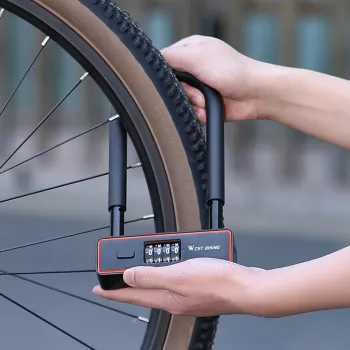
Heavy-Duty 4-Digit U-Lock for Bikes – Anti-Theft Zinc Alloy Security Lock
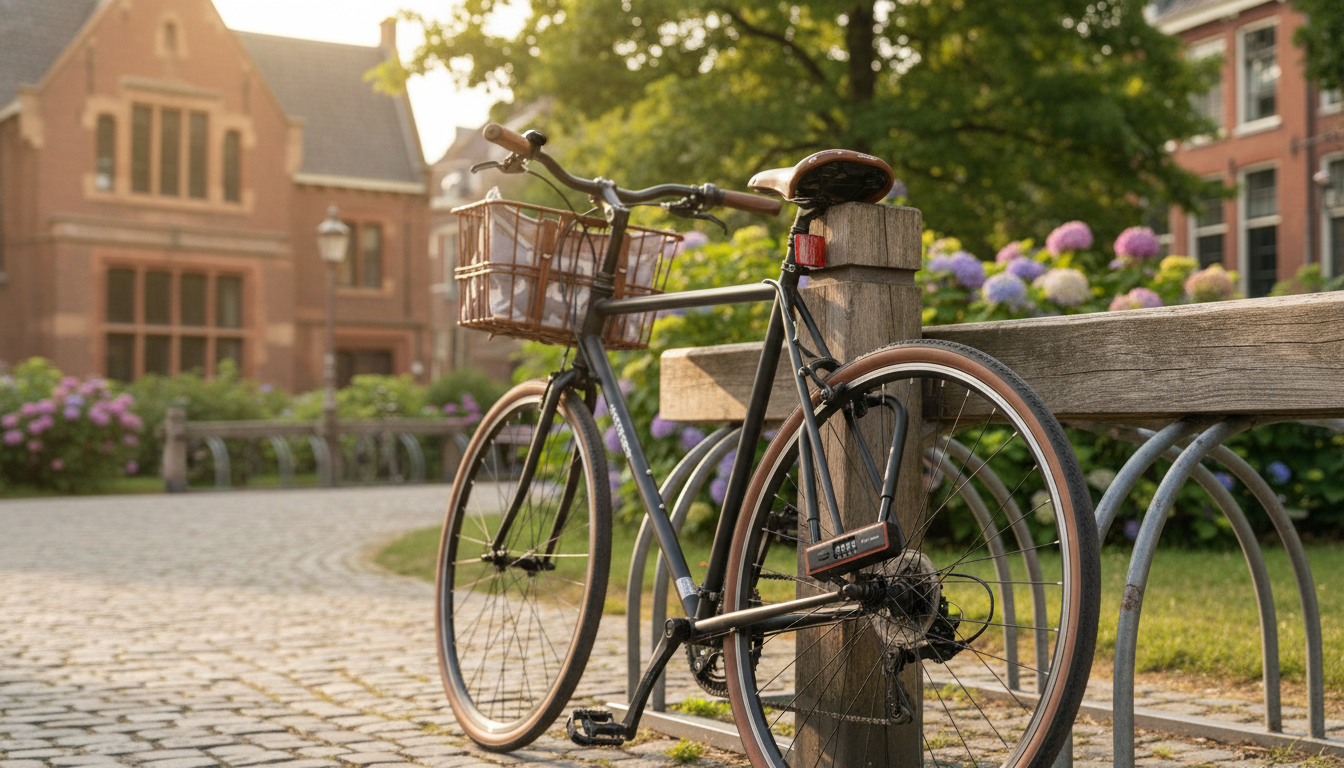
A dependable bike lock should be quick to use, difficult to defeat, and practical for everyday stops. This heavy-duty 4-digit U-lock pairs a zinc alloy body with a keyless combination design, aiming to balance strength, convenience, and routine security for commuting, errands, and campus parking. Like any lock, real-world protection comes from matching the lock to the risk level and using solid lock-up technique—especially choosing a strong anchor point and minimizing the empty space inside the “U.”
What This 4-Digit U-Lock Is Designed For
This style of lock is built to make daily locking feel simple while still encouraging stronger habits than a cable-only setup. It’s a practical choice when the bike will be unattended for short-to-moderate periods and you want quick access without managing keys.
- Everyday locking at racks and posts when the bike will be unattended for short-to-moderate periods
- Riders who prefer a code over keys for quick lock/unlock on the go
- Use cases such as commuting, coffee stops, gym visits, school, and daytime errands
- Pairing with smart parking habits: visible areas, solid anchors, and minimizing time left outside
For extra guidance on lock-up decisions and parking strategy, theft-prevention resources like Kryptonite’s lock-up tips and Bicycle Network’s security advice offer useful visuals and reminders.
Build and Security Features That Matter
A U-lock’s core advantage is rigidity: it limits the leverage and “pull-apart” opportunities that can come with thinner, flexible locks. This model’s zinc alloy construction is intended to add stiffness and resist everyday wear from handling, bumps, and regular outdoor use.
- Zinc alloy construction intended to add rigidity and resist everyday wear
- U-lock form factor helps limit leverage compared with flexible cable-only locks
- 4-digit combination mechanism removes the need to carry a key
- A rigid shackle design encourages locking the frame (and ideally a wheel) to an immovable object
- Best results come from correct technique: keep the lock off the ground and fill as much internal space as possible
It’s worth noting that “secure enough” depends on context. In higher-theft areas, any single lock can be challenged—layering and smarter parking matter as much as the material. If you want a deeper look at how locks are rated, Sold Secure explains certification categories and testing approaches.
How to Lock a Bike Correctly with a U-Lock
The fastest way to improve security is to tighten up your lock-up routine. Good technique reduces tool access, reduces leverage, and increases the time and noise required to attack the lock.
- Pick the right anchor: choose a solid rack or fixed post that cannot be lifted over the lock
- Lock the frame first: secure the rear triangle (frame + rear wheel) when possible, then to the rack
- Reduce tool access: position the lock to minimize room for prying and keep the keyway/dials facing down or inward
- Keep it elevated: avoid resting the lock on the ground, which can help some attacks
- Consider a second lock for high-risk areas: add a cable or chain for the front wheel if needed
Quick Locking Checklist
| Step | Goal | Common Mistake |
|---|---|---|
| Choose a solid anchor | Prevent removal of the locked bike | Locking to weak fences or removable signs |
| Lock the frame | Protect the most valuable part of the bike | Locking only a wheel |
| Fill the U space | Limit leverage and tool access | Leaving large gaps inside the lock |
| Keep lock off the ground | Reduce bracing opportunities | Resting the lock on pavement |
| Park in visible areas | Lower theft risk | Hiding the bike out of sight |
Combination Locks: Setup and Daily Use Tips
A keyless lock can be a big quality-of-life upgrade—no rummaging for keys with full hands, no concern about losing a key mid-ride. The tradeoff is that you must manage your code carefully and keep the dial mechanism running smoothly.
- Set a memorable code that is not tied to obvious personal dates
- Test the code several times before riding to ensure the dials align smoothly
- Spin the dials after locking so the combination is not left on the correct numbers
- Keep the dials clear of grit: wipe down occasionally if riding in rain or dusty conditions
- If sharing a bike, combination access can be simpler than handing off keys—change the code when access should end
Where This Style of Lock Fits Best (and Where to Add Backup)
Care and Longevity
More Items You May Like
- Motivation Magic: Your Easy-Do Checklist to Spark Drive & Get Stuff Done – Digital Guide on How to Motivate Someone Who Doesn’t Want to Work
- Social Confidence in Any Situation | Printable Checklist for Self-Assurance and Communication Skills | Digital Download for Everyday Conversations and Networking
- Brunello Cucinelli Women’s Cashmere T-Shirt with Glitter Effect
FAQ
Is a 4-digit combination U-lock secure enough for daily commuting?
It can be, especially for short-to-moderate stops in moderate-risk areas, but security depends heavily on where you park, how long the bike is left, and your lock-up technique. For higher-risk areas or longer parking, adding a second lock and choosing high-visibility locations helps a lot.
How do you lock the frame and wheels with a U-lock?
Use the “rear triangle” method: capture the frame and rear wheel inside the U-lock and secure them to an immovable rack. If the front wheel isn’t included, add a cable or secondary lock to secure the front wheel and any easy-to-remove accessories.
What should you do if you forget the combination?
Check any included documentation for reset or recovery instructions, if available. Many combination locks don’t have a bypass, so you may need professional assistance or replacement—storing the code in a secure place can prevent this problem.
Recommended for you


Brunello Cucinelli Glitter Cashmere Tee: Luxe Layer
May 20, 2026
Beige Boho Dragonfly Crochet Runner for Farmhouse
May 20, 2026











Leave a comment